Overview
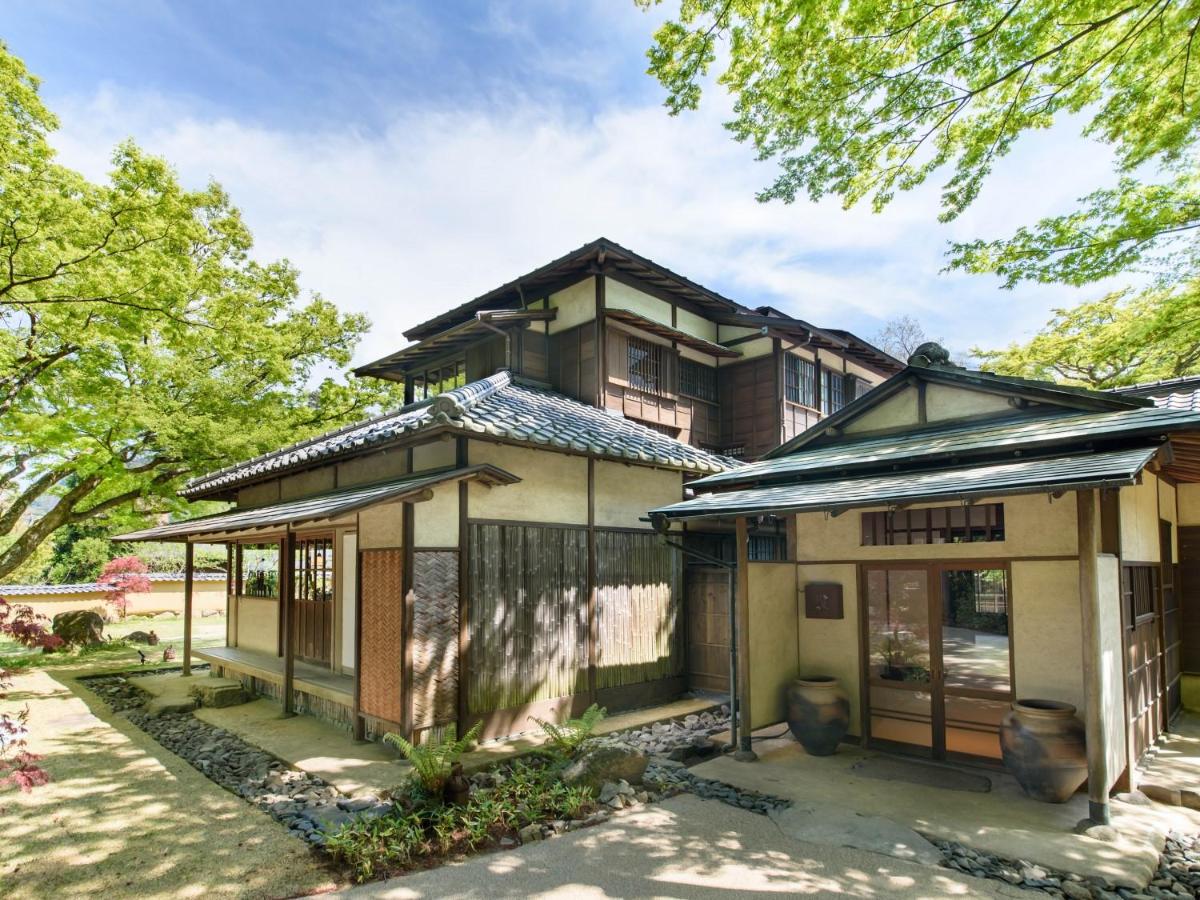
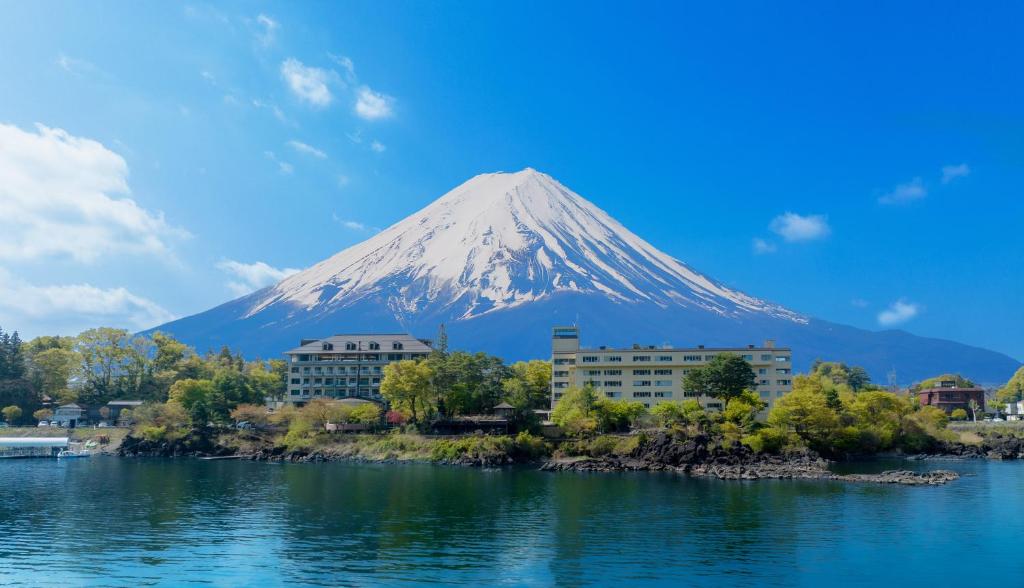
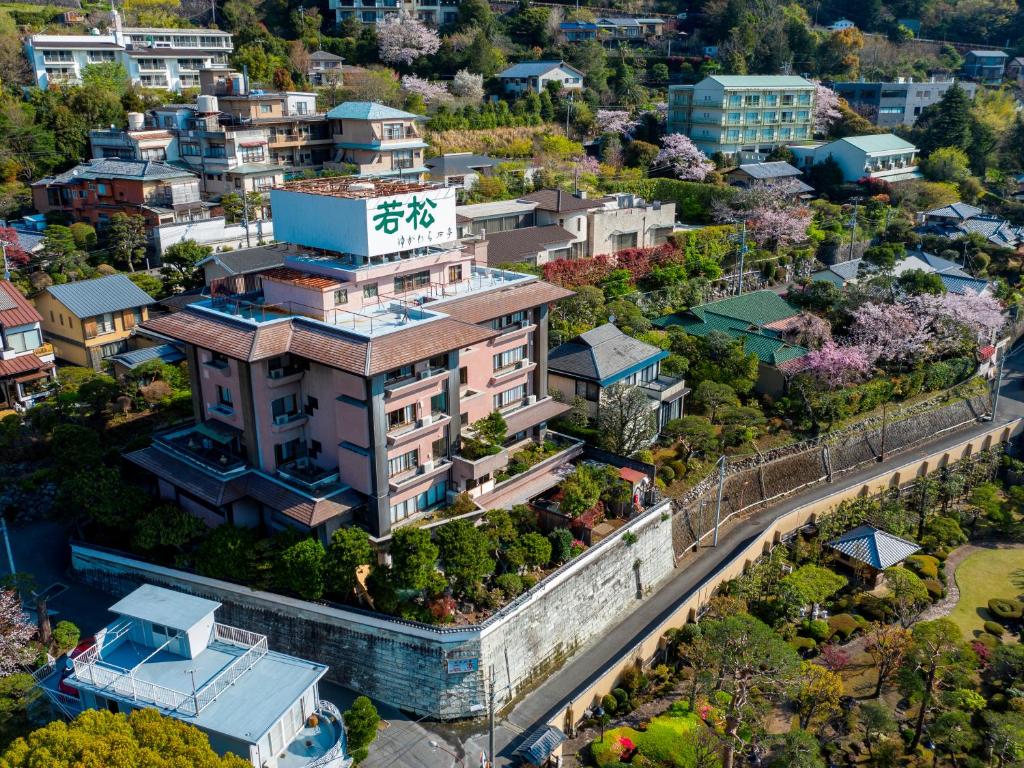
Wakamatsu Hakone Yugawara welcomes you to a quiet hilltop setting in Yugawara, a hot spring town known as “Little Kyoto of Sagami.” From here, you can look out over the town and the surrounding mountains while staying close to the culture, nature, and hot spring heritage of the area.
The Wakamatsu name carries a long tradition that began with Kappo Ryokan Wakamatsu in Hakodate, founded in 1922. This Yugawara ryokan brings that same spirit of Japanese hospitality to Kanagawa, with Wakamatsu lanterns at the entrance, sukiya-style rooms, tatami corridors, seasonal kaiseki cuisine, and natural hot spring water from its own source. You arrive to a place made for slowing down, enjoying quiet details, and feeling the care behind each part of your stay.
Yugawara has long been loved by writers, poets, and painters, including Soseki Natsume, Ryunosuke Akutagawa, and Akiko Yosano. At Wakamatsu Hakone Yugawara, that artistic feeling continues through the rooms, the atmosphere, and the way the ryokan frames the mountain scenery around you.
Accommodation
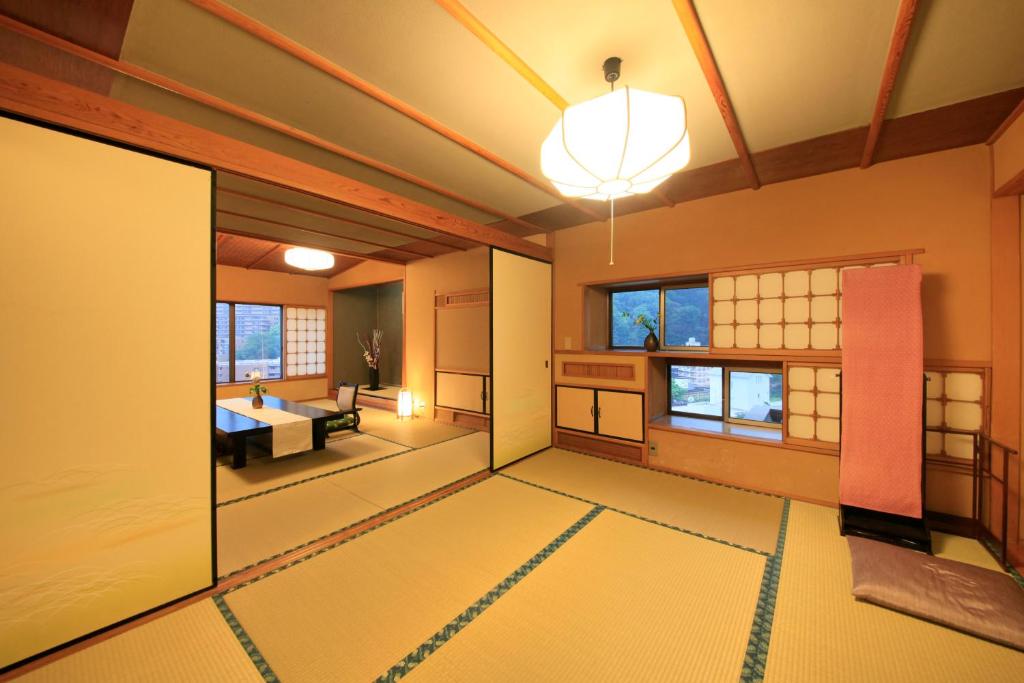
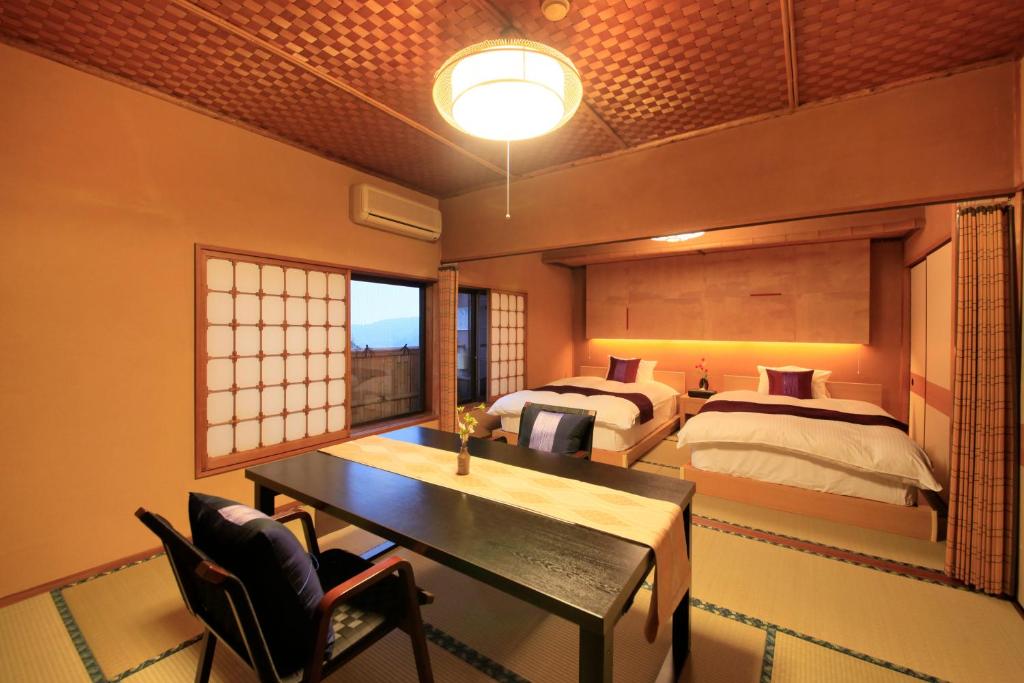
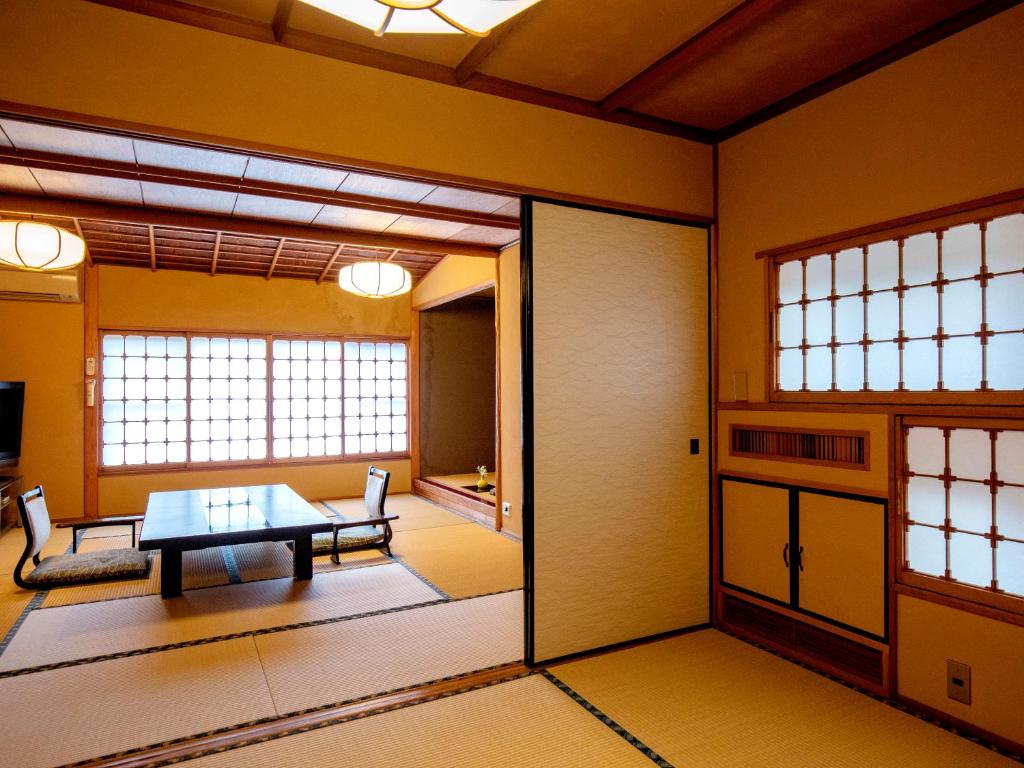
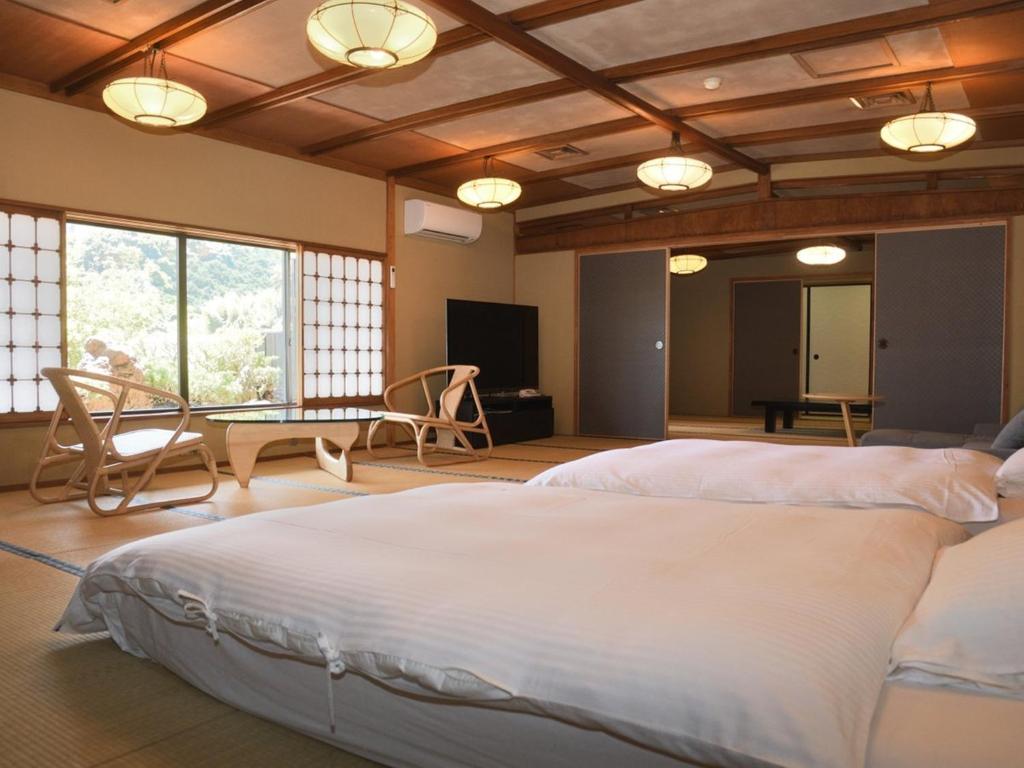
Wakamatsu Hakone Yugawara has 14 Japanese-style rooms, each named after a famous Japanese painter. Every room follows sukiya-style design, inspired by the refined world of the tea ceremony. You stay surrounded by tatami, calm wood details, and views of Yugawara’s mountains or town, giving your room a quiet, traditional ryokan feeling.
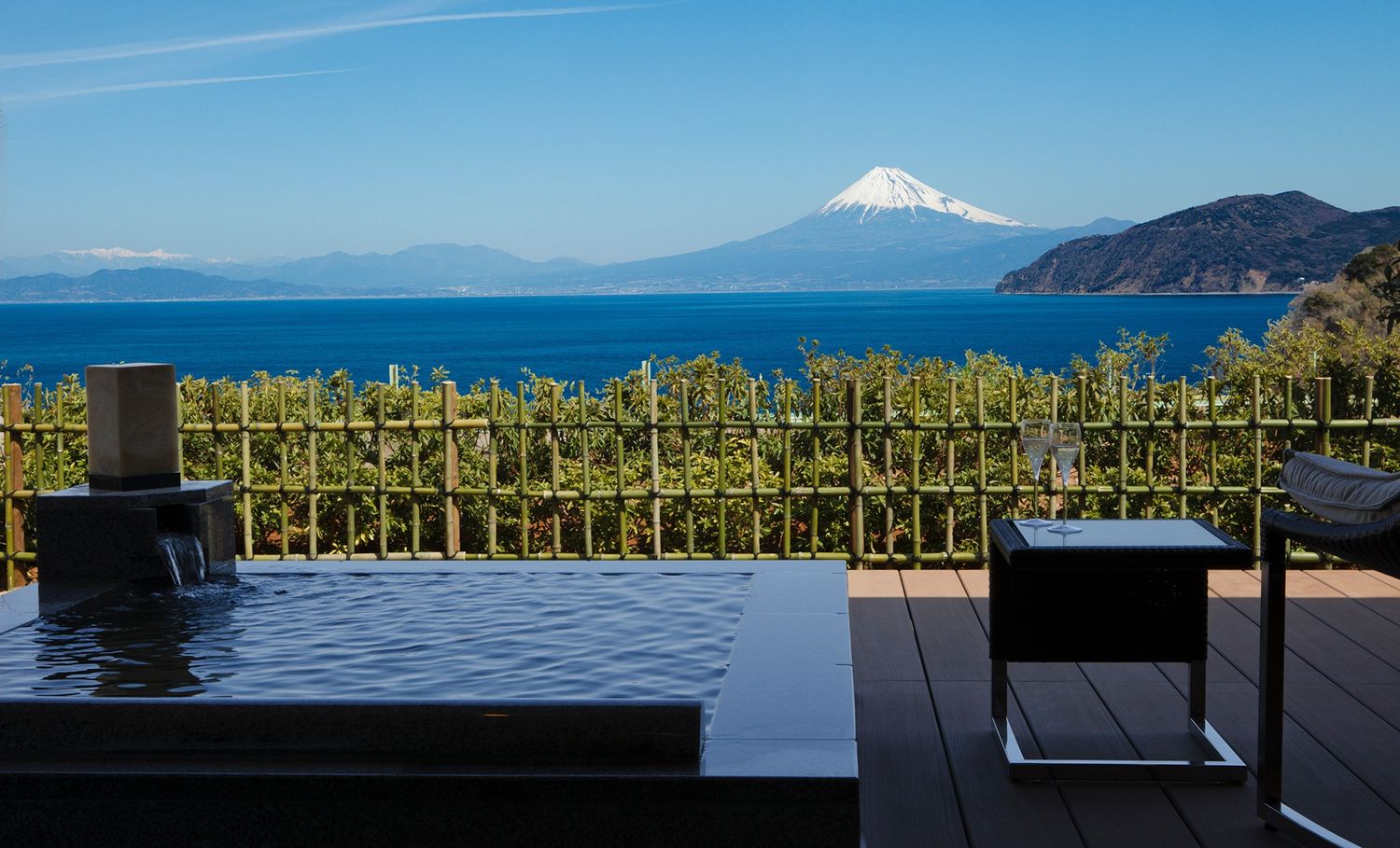
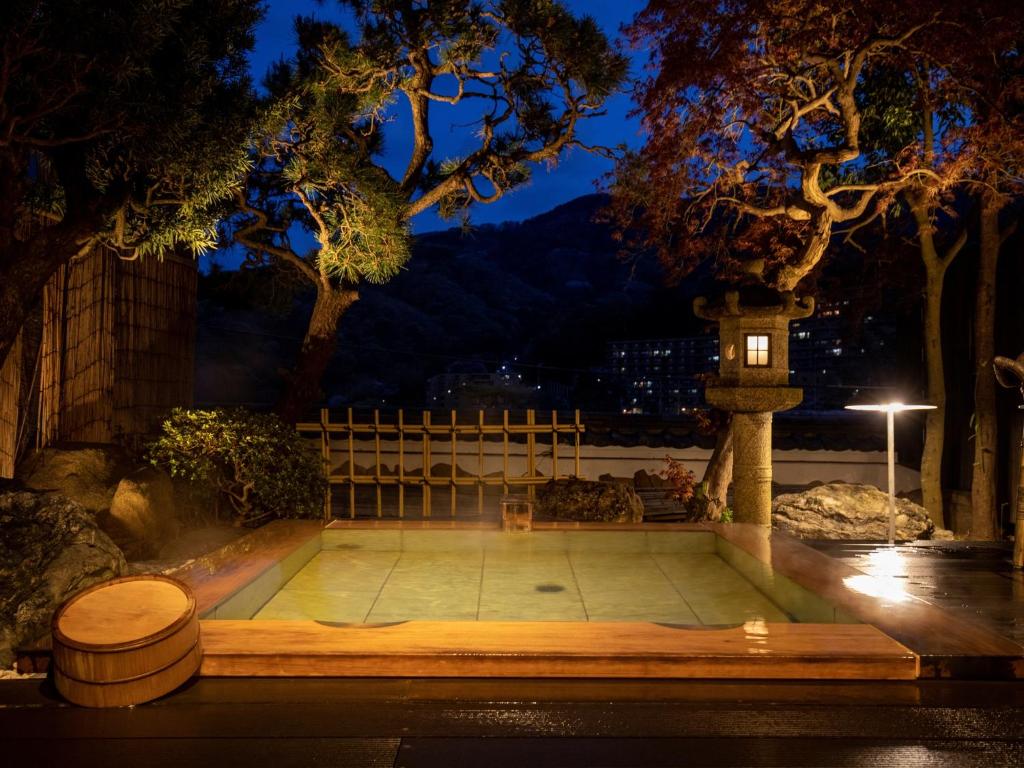
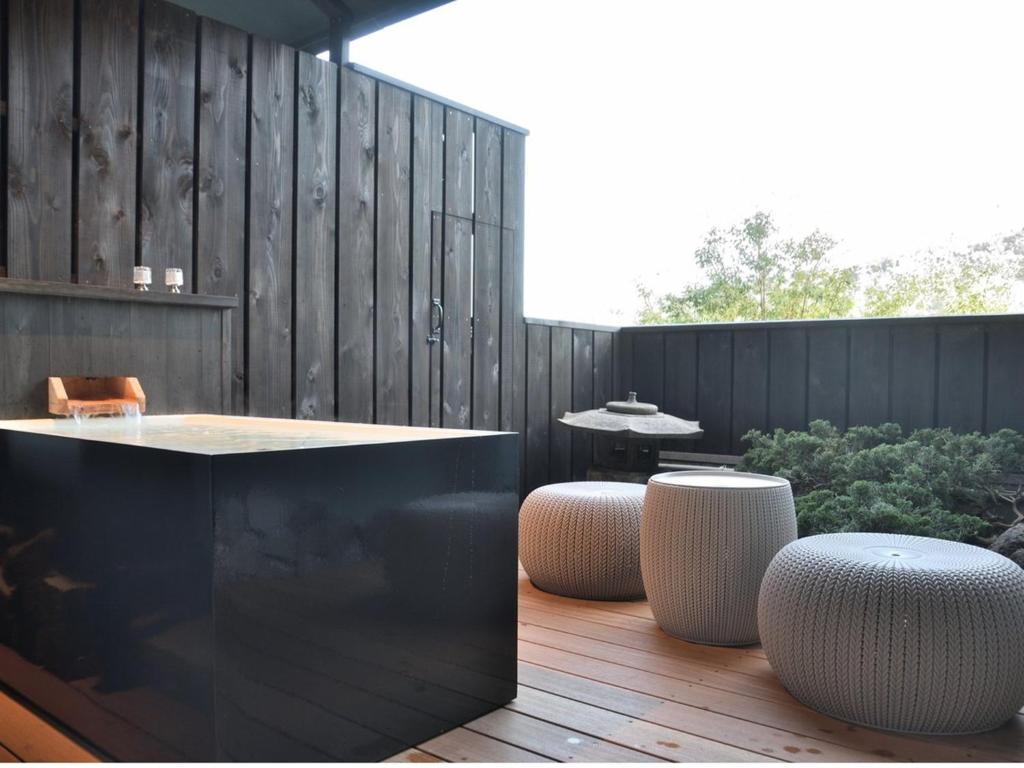
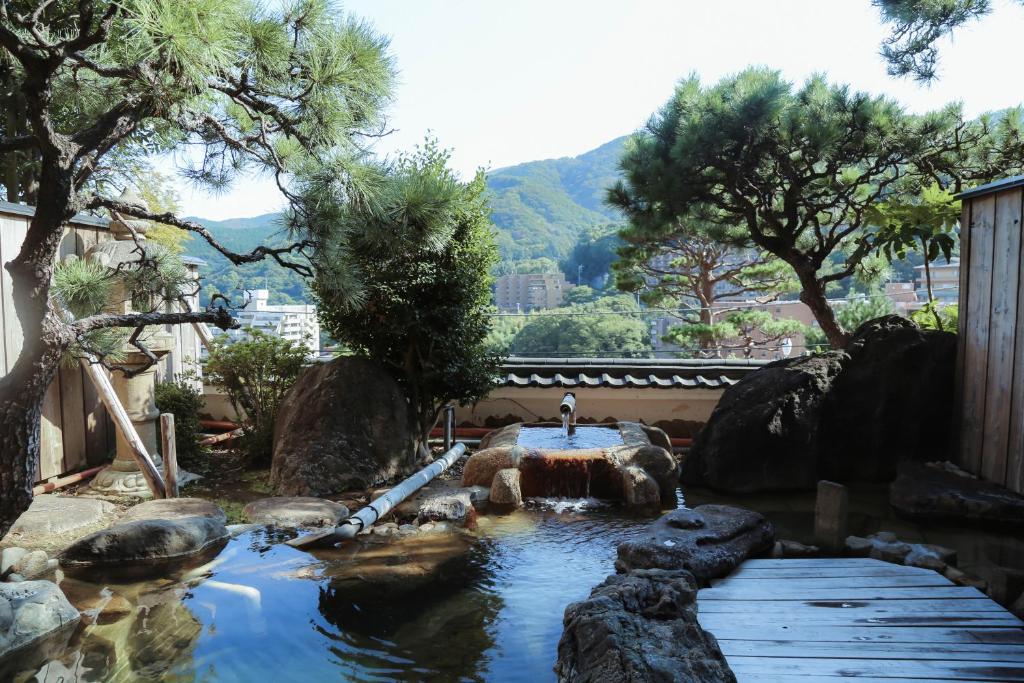
The special room “Tessai” is the only room with an open-air bath. This room includes two Japanese-style spaces, a private garden, seasonal greenery, and a distant mountain view. It is a strong choice when you want more privacy and a deeper sense of retreat during your stay.
The spacious sukiya-style rooms with 10 tatami mats and 6 tatami mats give you generous space to stretch out, sit with tea, and enjoy the view of Yugawara’s town and mountains. The 8 tatami and 6 tatami rooms offer a classic mountain-side stay with a graceful traditional design. The compact 4.5 tatami and 6 tatami rooms bring a tea-room feeling, with a waiting area and courtyard that add charm to the smaller layout.
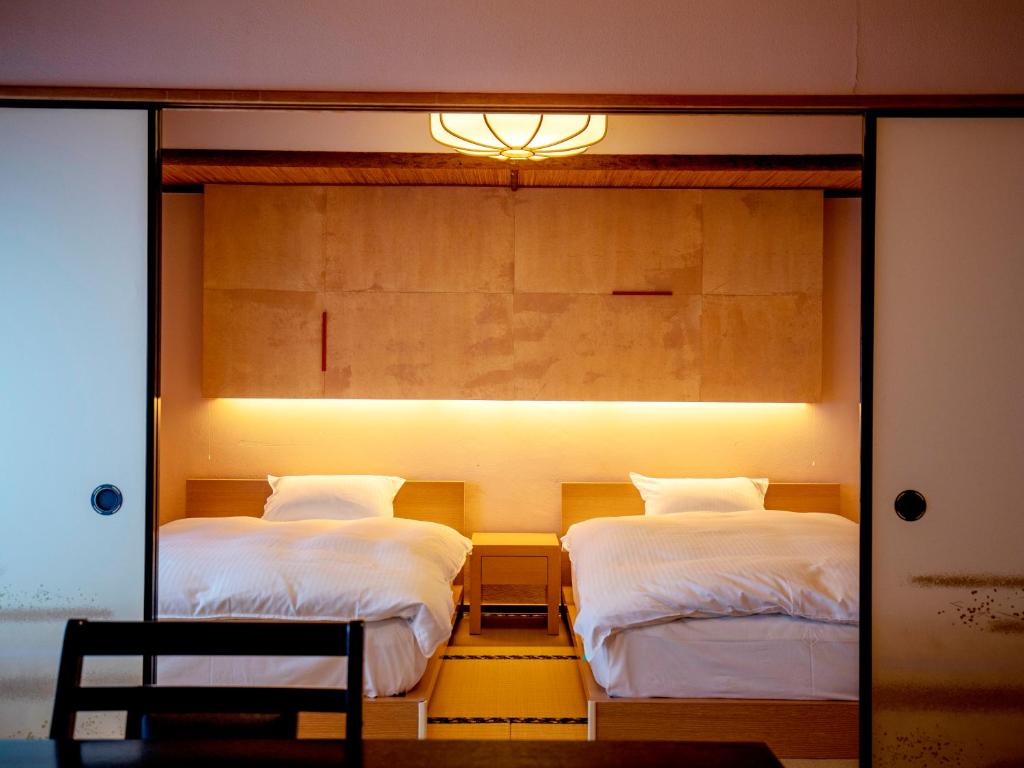
You can also choose a Japanese-style room with beds if you prefer not to sleep on futon bedding. These rooms keep the ryokan atmosphere while adding a Sealy bed mat in the next room, plus a table and chairs in the main room. All rooms include a bathroom, shower, air conditioning, TV, refrigerator, and Wi-Fi.
Your room also includes thoughtful ryokan amenities such as yukata, towels, toothbrush and toothpaste, shampoo, conditioner, body soap, hair dryer, razor, shower cap, cotton buds, and comb or brush. Wakamatsu also adds original amenities with a Japanese cypress scent. For sleeping, the futon is larger than usual and uses a three-layer structure with woven cotton and French wool, while the quilt is filled with Hungarian white goose down. You can also choose the pillow firmness, height, and shape that suits you best.
Dining
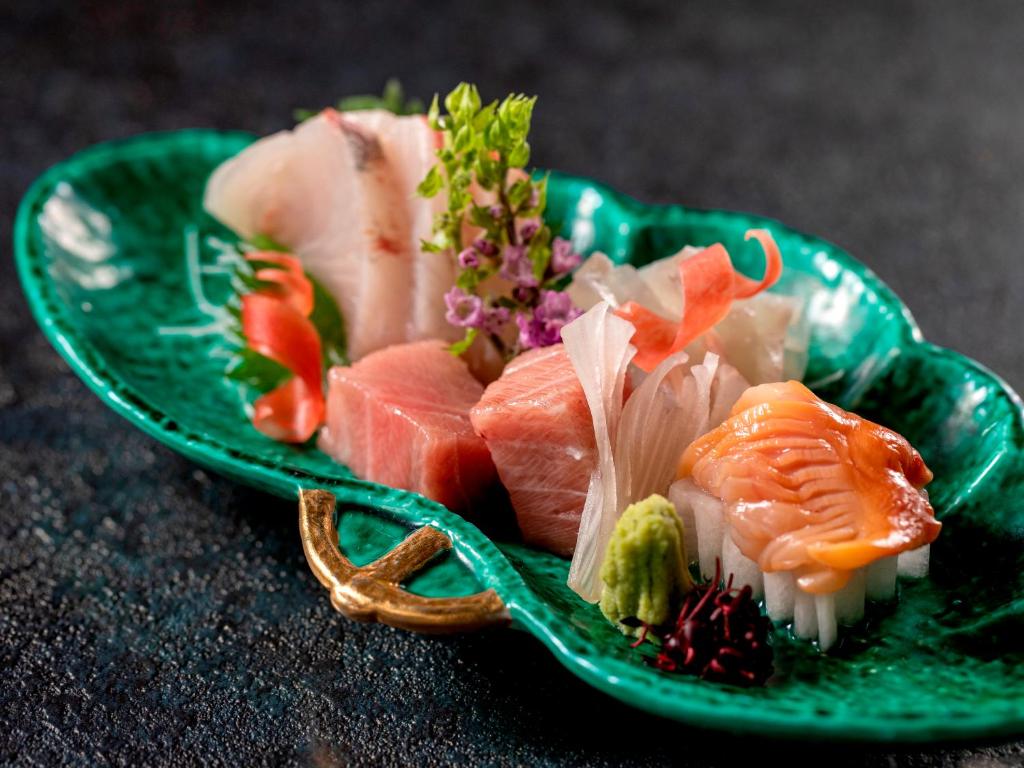
Dining at Wakamatsu Hakone Yugawara centers on kaiseki cuisine made with local ingredients from Yugawara, Sagami Bay, and the Manazuru Peninsula. Dinner is served in your room or in a private dining room, so you can enjoy each course at an easy pace and focus fully on the food in front of you.
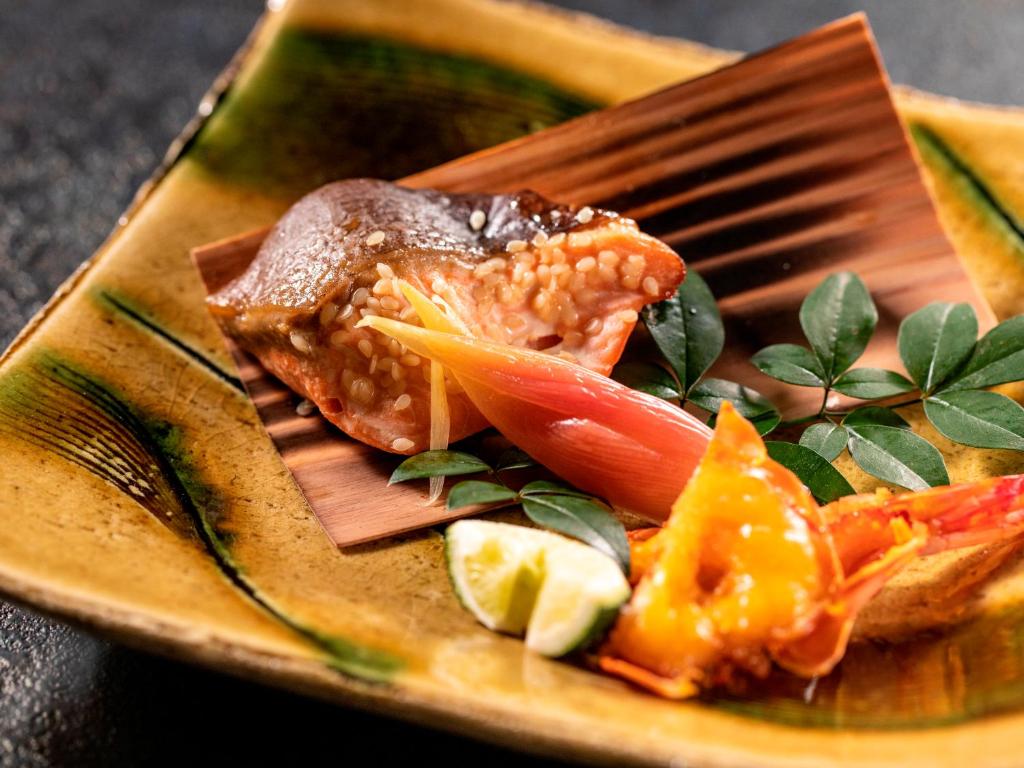
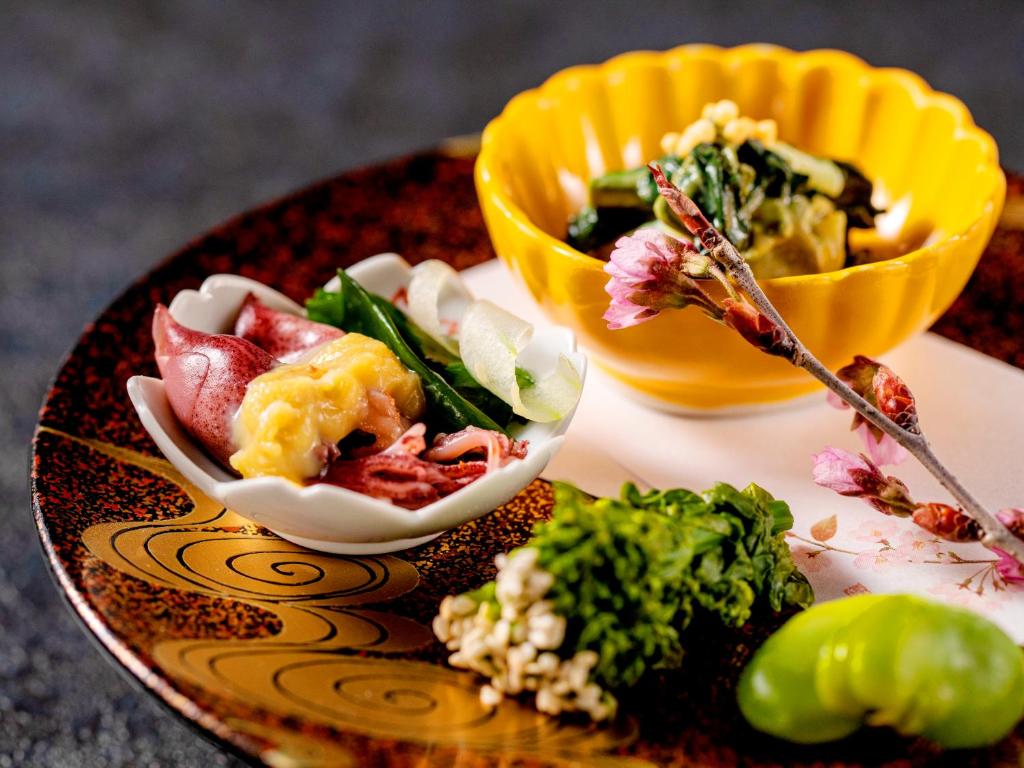
Each kaiseki dish reflects the season through color, arrangement, tableware, and timing. Warm dishes arrive warm, cold dishes arrive cold, and each course builds the meal with care. You can taste the ryokan’s connection to the tea ceremony through its focus on season, dish, and occasion.
The kaiseki meal uses local ingredients and presents them with bright colors and seasonal detail. A la carte dishes change with the season, giving you the chance to enjoy flavors available only at that moment. Breakfast starts your day gently, with colorful dishes made from carefully selected local ingredients.
Onsen and Wellness
Wakamatsu Hakone Yugawara draws hot spring water from its own source on the premises. Yugawara’s hot spring water has been known since ancient times as “Yakushi no Yu,” and the water here is mildly salty, mildly alkaline, clear, and gentle on the skin. The source flows at about 52°C to 52.2°C, giving the ryokan abundant natural hot spring water.
The spring quality is calcium sodium sulfate and chloride spring water. This hot spring water is associated with support for arteriosclerosis, chronic gynecological concerns, and chronic skin conditions. You can enjoy the baths from afternoon through the next morning, making it easy to bathe after arrival, before sleep, and again after waking.
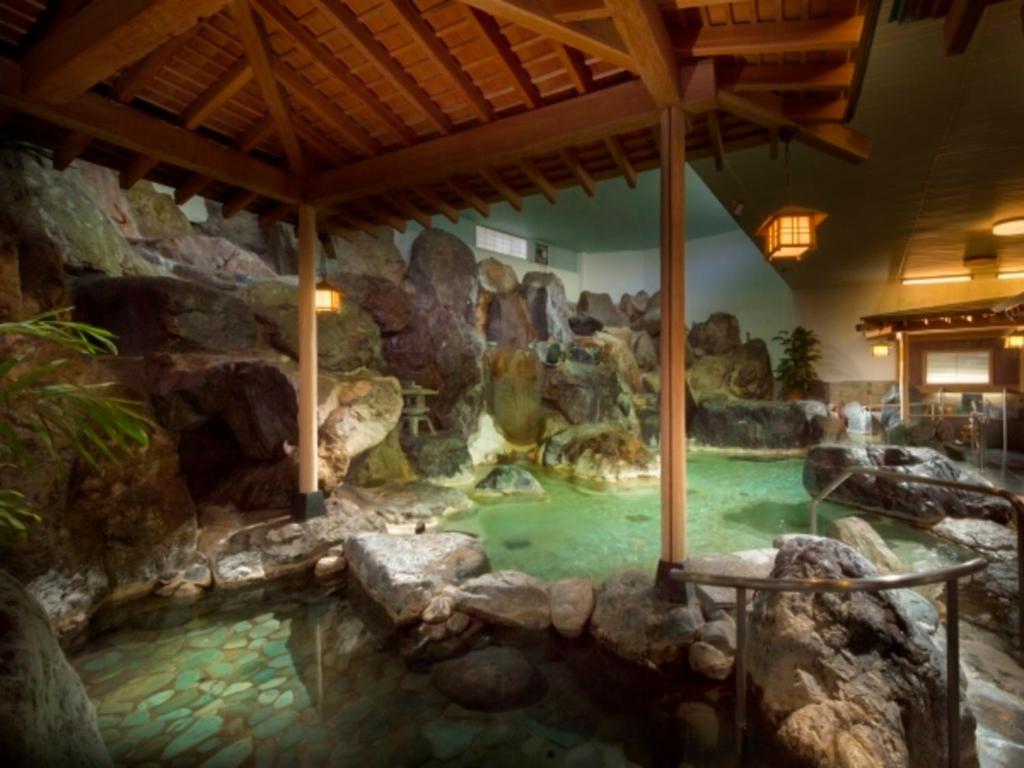
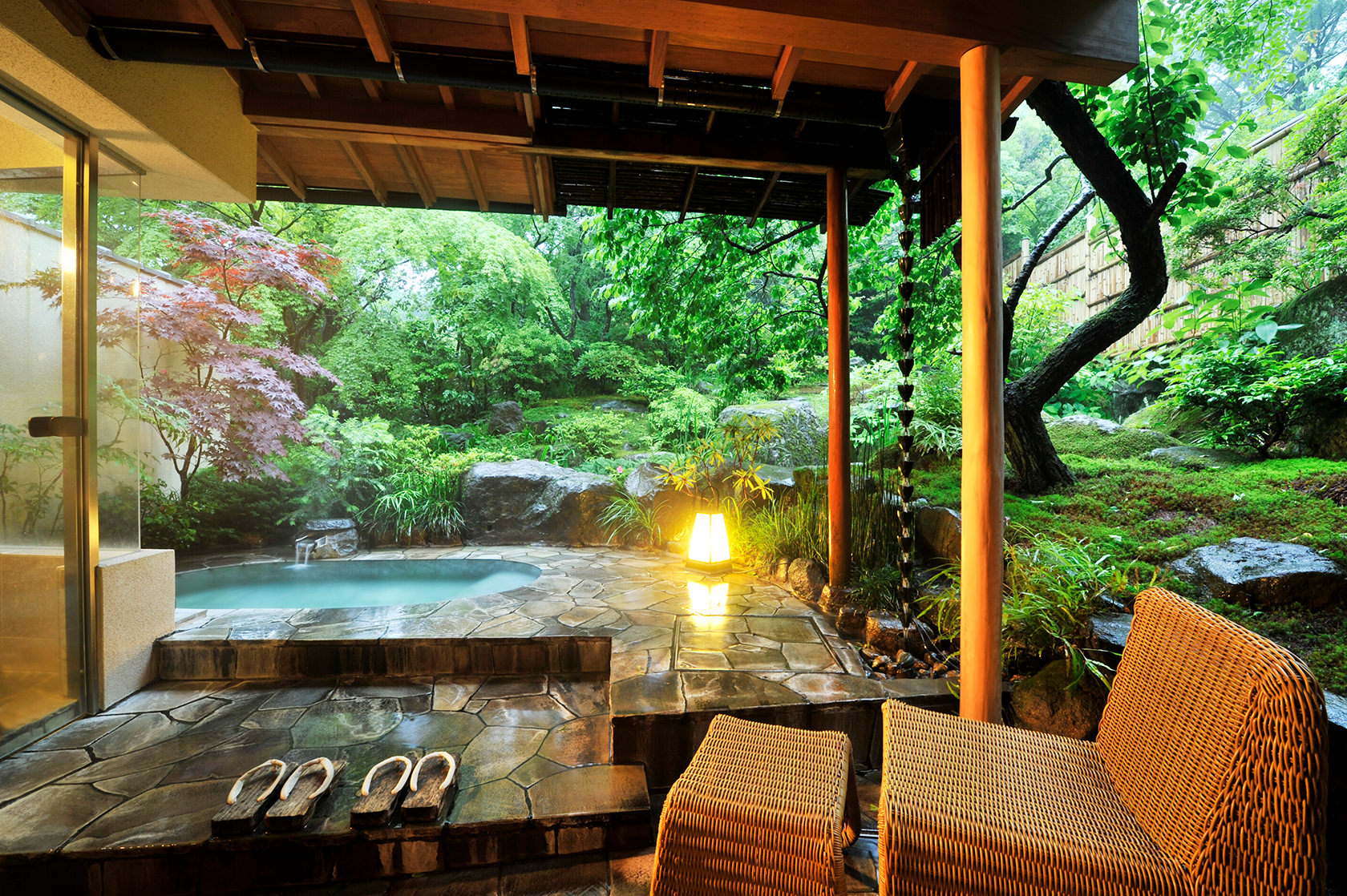
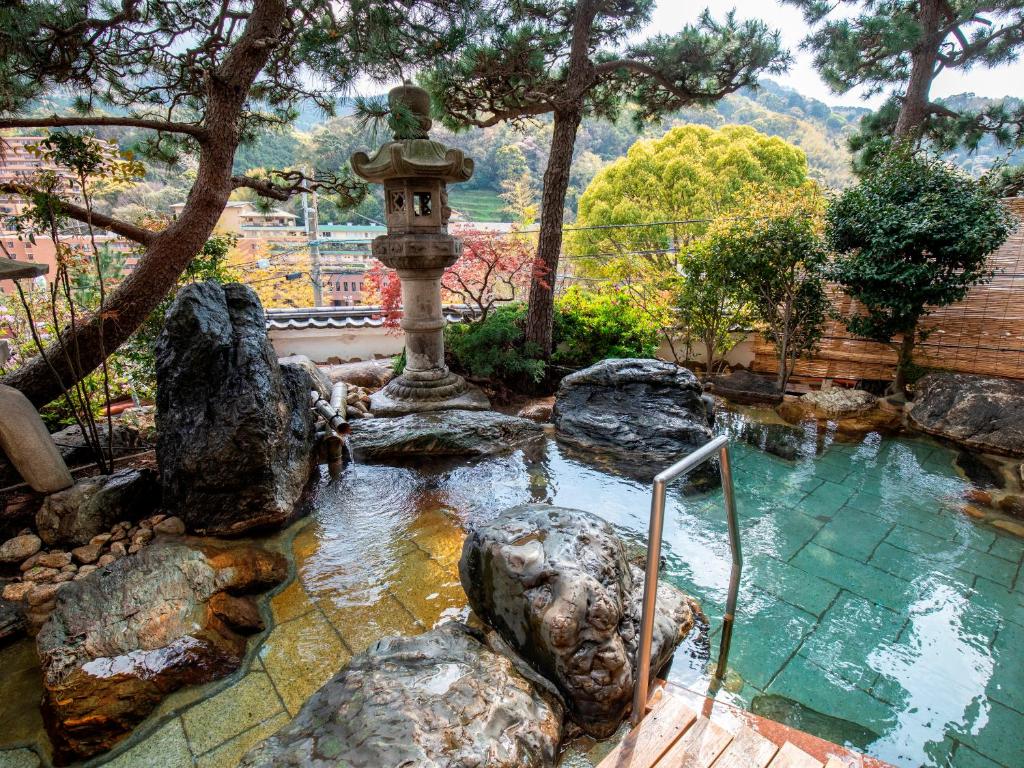
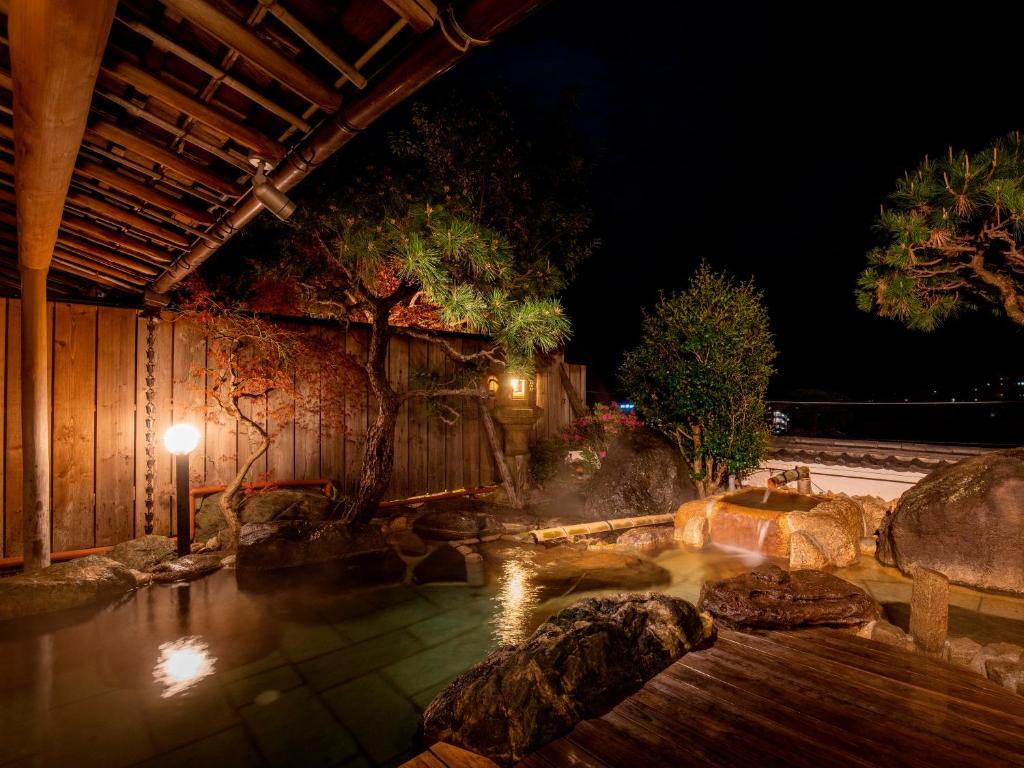
The open-air bath “Uguisu-no-yu” is built with stone and surrounded by lanterns and garden trees. The name comes from the Japanese bush warbler, and the bath gives you a beautiful setting for looking up at the stars at night or enjoying the fresh morning light. The open-air baths use black pine and stone, creating a natural atmosphere that feels closely connected to the garden.
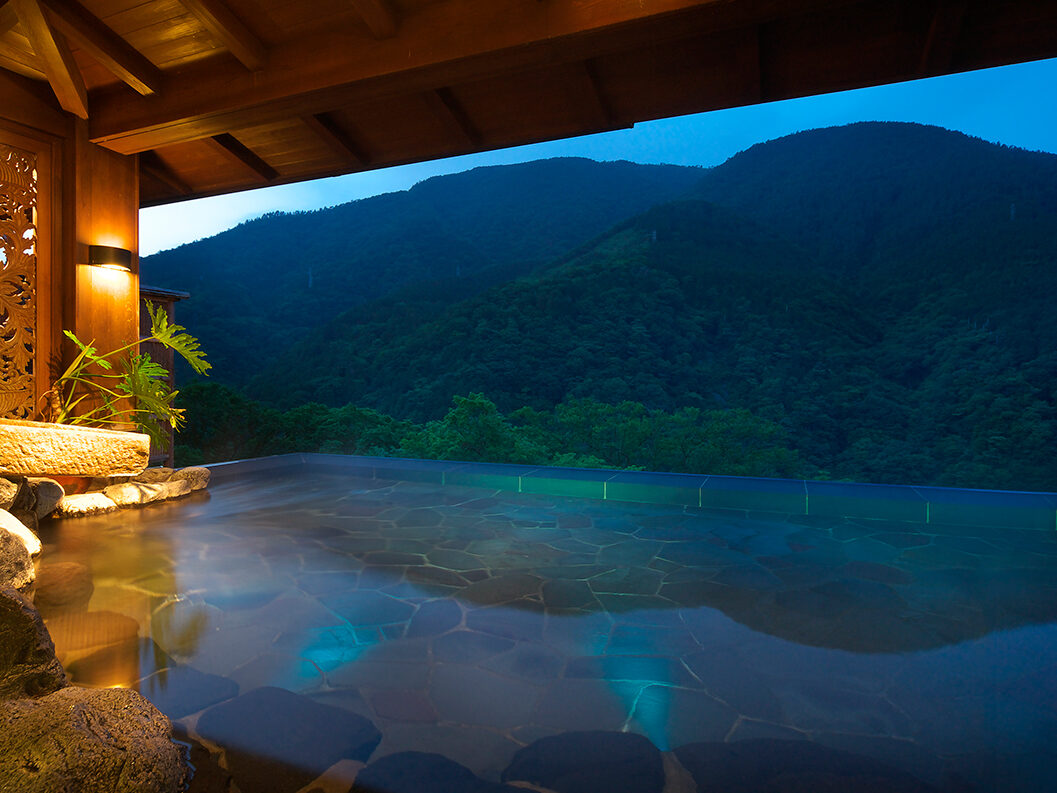
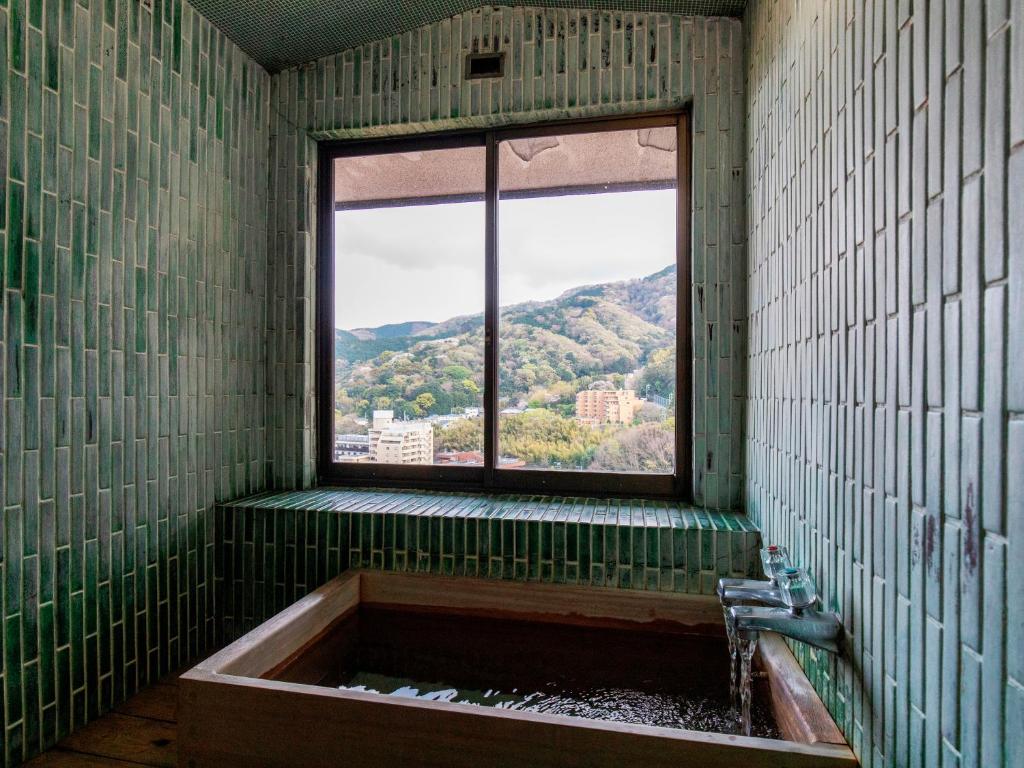
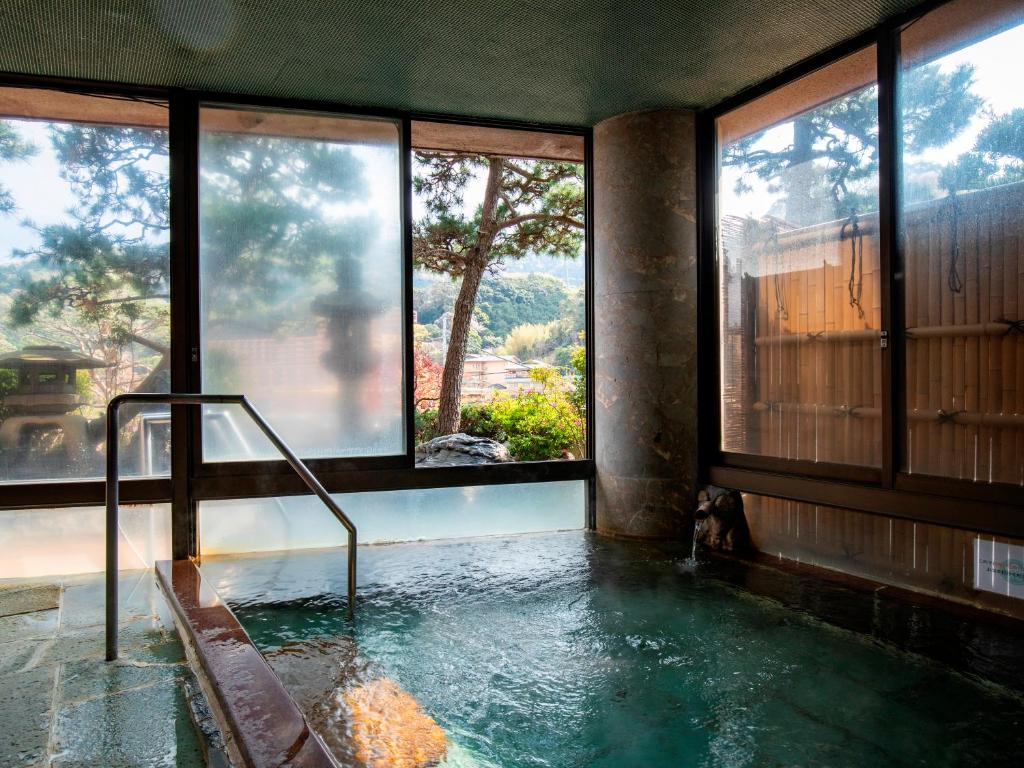
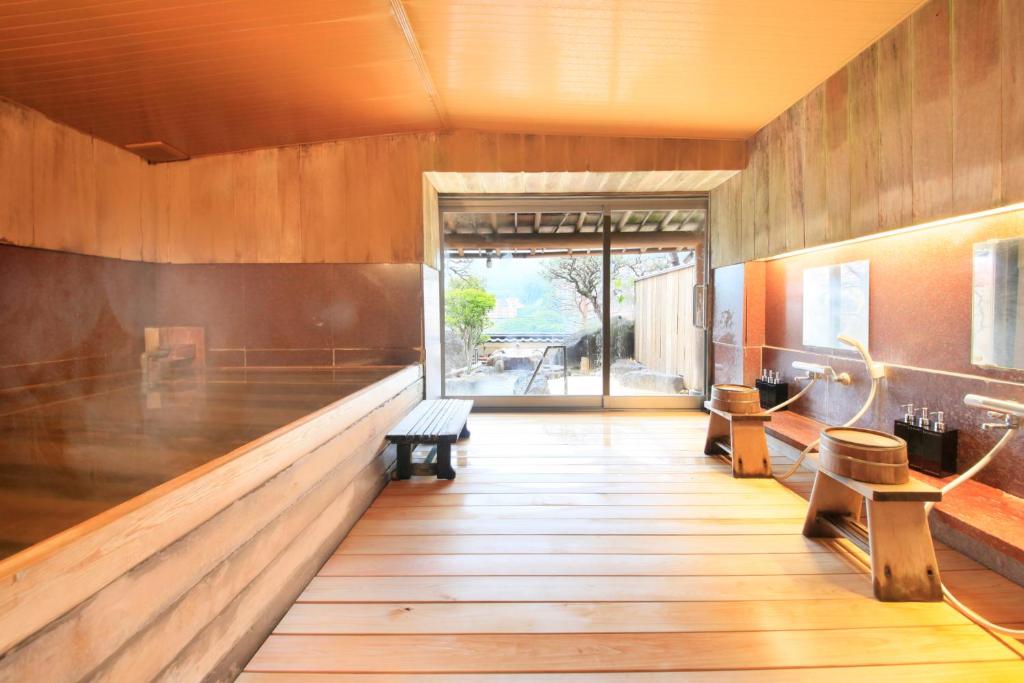
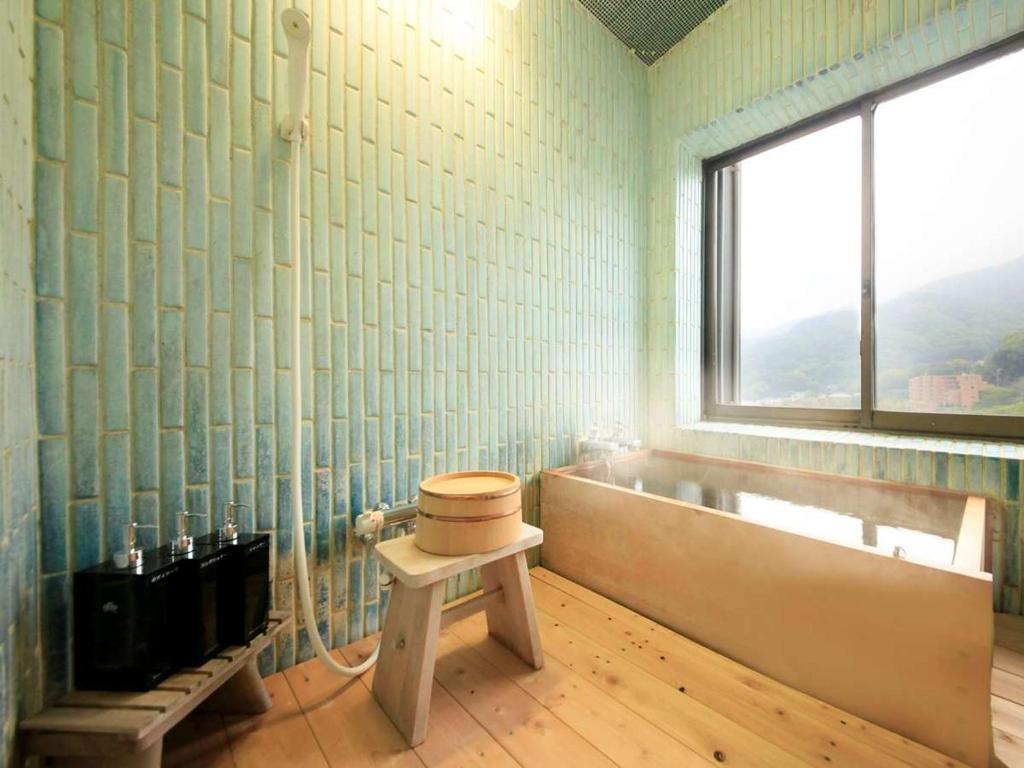
Inside, you can enjoy a fragrant hinoki cypress bath and a bright stone bath with generous hot spring water. The cypress bath warms your body slowly with the soft scent of wood, while the stone bath gives you a more spacious bathing experience with views toward the mountains of Yugawara.
Guests with tattoos
Wakamatsu Hakone Yugawara has shared indoor and open-air hot spring baths. Tattoos cannot be displayed in these shared bathing areas. If you want more privacy, the special room “Tessai” includes its own open-air bath.
Facilities
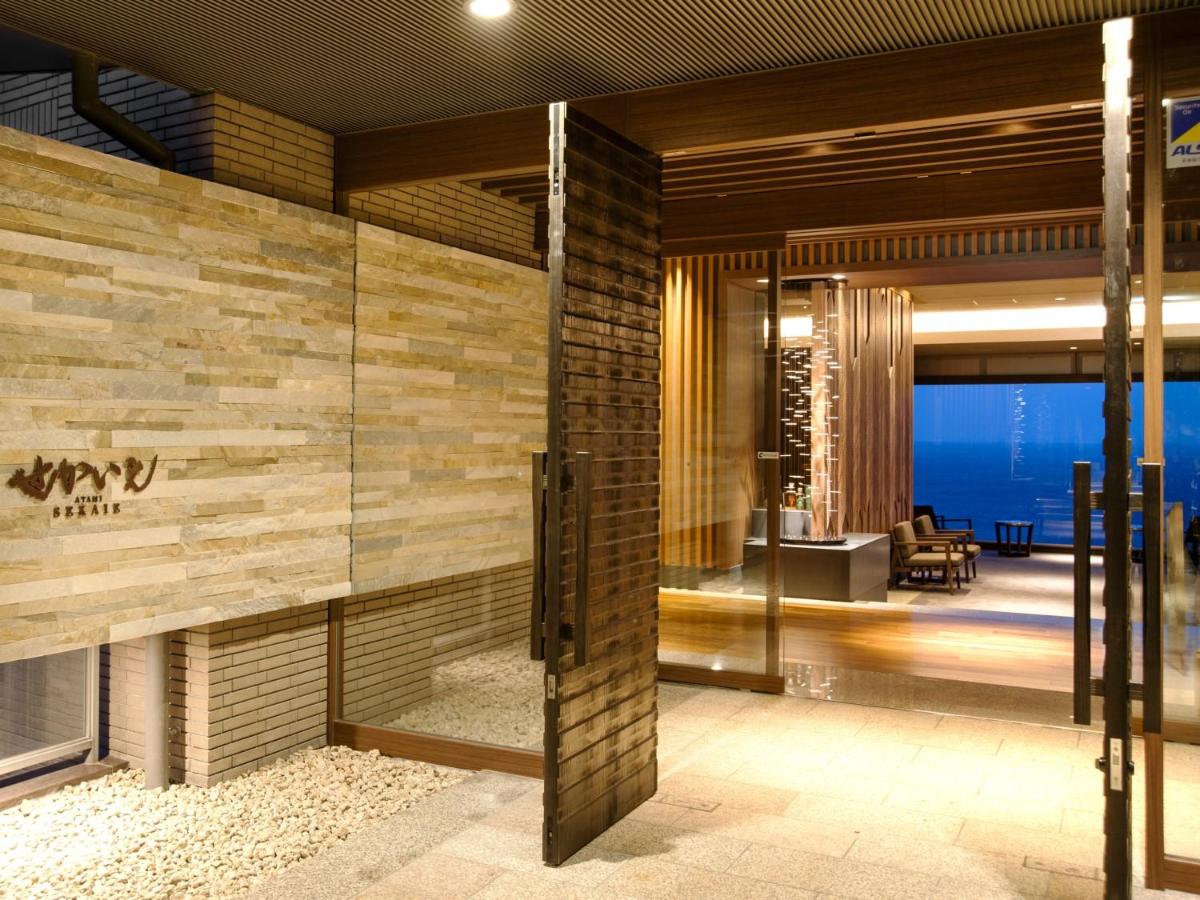
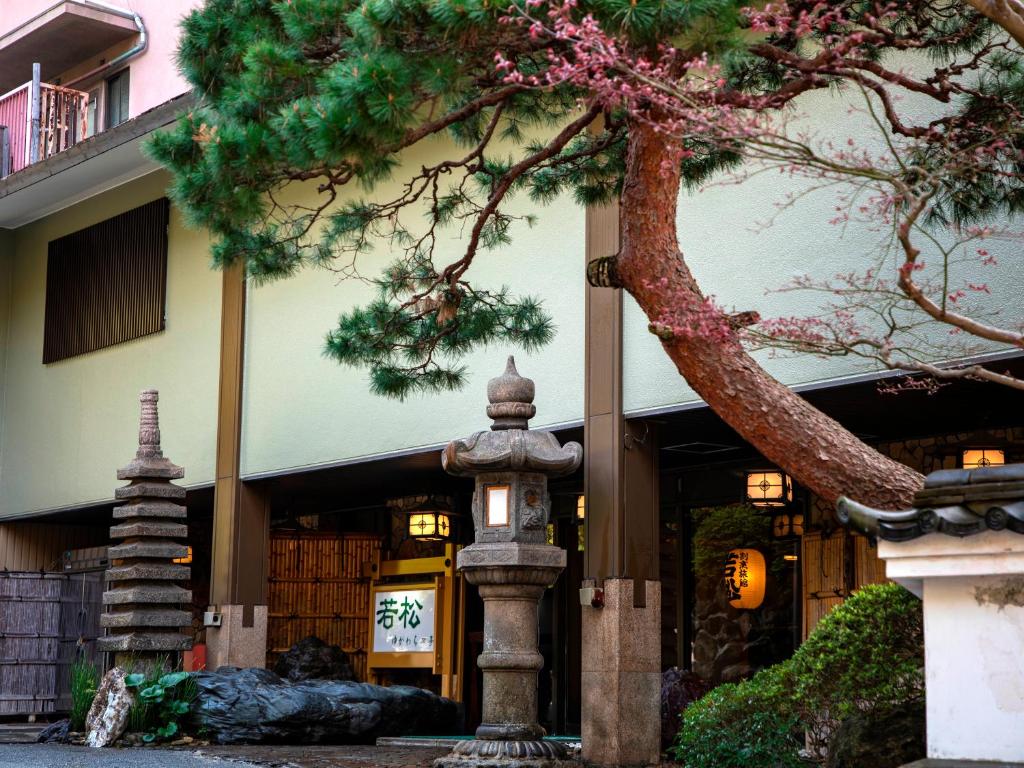
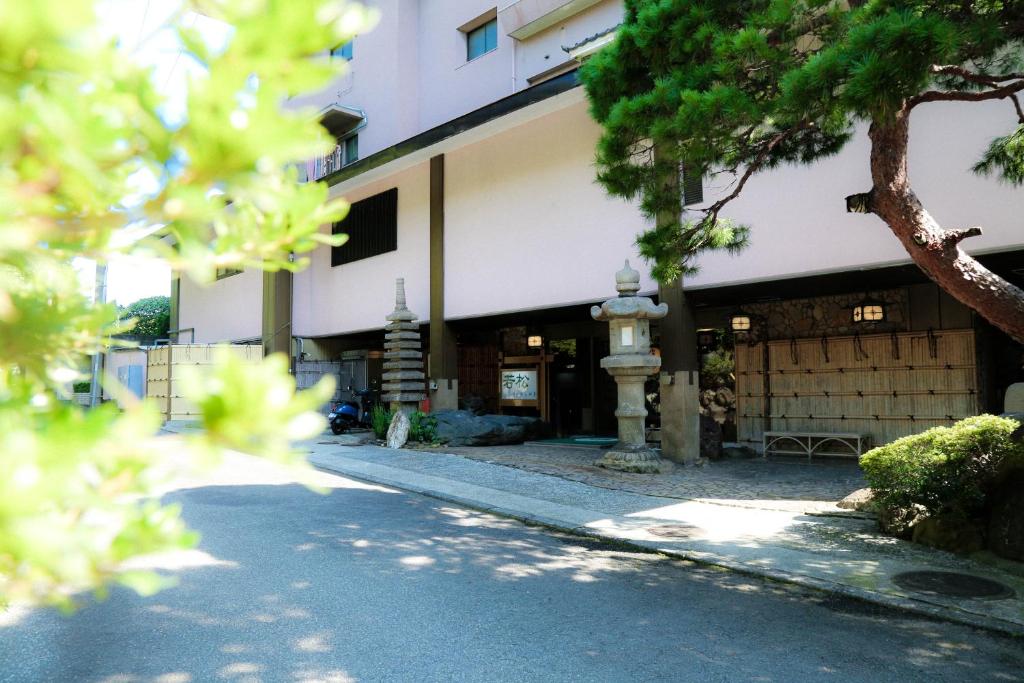
Wakamatsu Hakone Yugawara brings you through a ryokan space shaped by tradition, texture, and small details. Wakamatsu lanterns welcome you at the entrance, and the building stands above stone walls built with the kirikomi-hagi technique, giving the ryokan a castle-like appearance on the hillside.
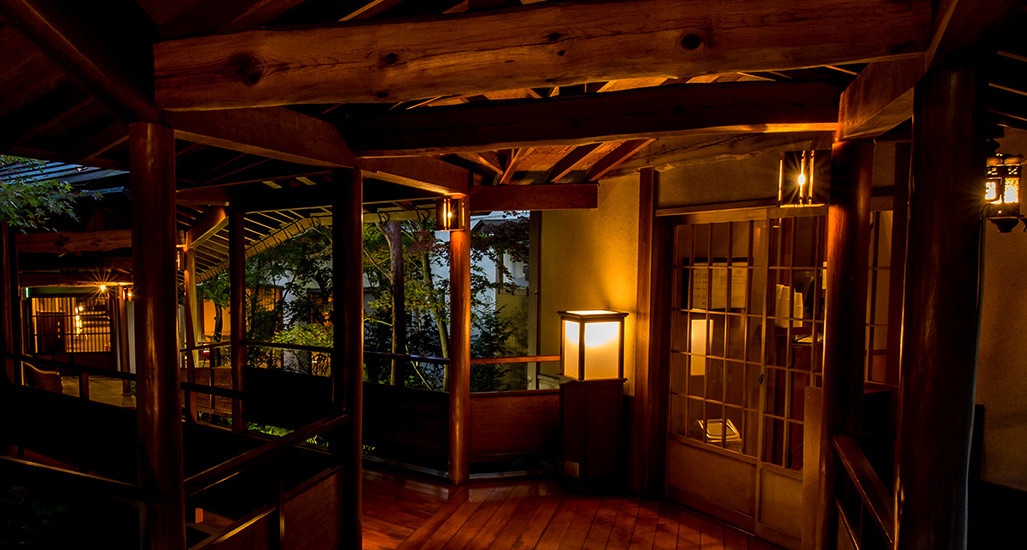
All corridors are covered with tatami, so you can walk barefoot not only in your room but also through the lobby and toward the public baths. The tatami feels cool in summer, warm in winter, and especially comfortable after bathing. Inside the ryokan, you will also find a purification fountain at the entrance, hanging lanterns, traditional Japanese garden details, an indoor gallery atmosphere, and large banquet halls.
You can also enjoy the ryokan’s welcome touches, including ousu matcha made from high-quality green tea and “Matsu no Midori,” Wakamatsu’s original confection filled with fragrant green tea cream. These details add to the sense of Japanese hospitality that runs through the building, the food, and the bathing experience.
Activities
Yugawara gives you many places to explore before or after your onsen time. You can visit Shitodo-no-iwaya Hidden Cave, known as the place where Minamoto no Yoritomo is said to have hidden after the Battle of Ishibashiyama. Inside the natural cave, more than 20 stone Buddhas create a powerful historic atmosphere.
You can also visit Hoshigaoka Park, where 50,000 satsuki flowers bloom in early summer and the observatory looks toward Sagami Bay. Joganji Temple is another important local spot, known for its estimated 800-year-old Byakushin tree, which is designated as a national natural monument.
For nature, you can spend time at Yoshihama Beach in summer, visit Fudo Falls with its 15-meter drop, or walk through Makuyama Park Yugawara Plum Grove when the ume blossoms fill the area with fragrance. Fudo Falls also has a literary connection, as it appeared in Soseki Natsume’s “Mei An.”
Additional Features
Wakamatsu Hakone Yugawara is a strong choice when you want a traditional ryokan stay with only 14 rooms, sukiya-style design, natural hot spring water from a private source, kaiseki dining in your room or a private dining room, and a quiet hilltop setting in Yugawara.
The ryokan also gives you Wi-Fi in all rooms, yukata, Japanese cypress-scented original amenities, carefully prepared bedding, shared indoor and open-air hot spring baths, and access to cultural and natural sights around Yugawara. You stay in a place where the room, food, bath, and surroundings all connect to the feeling of a classic Japanese hot spring journey.