Overview
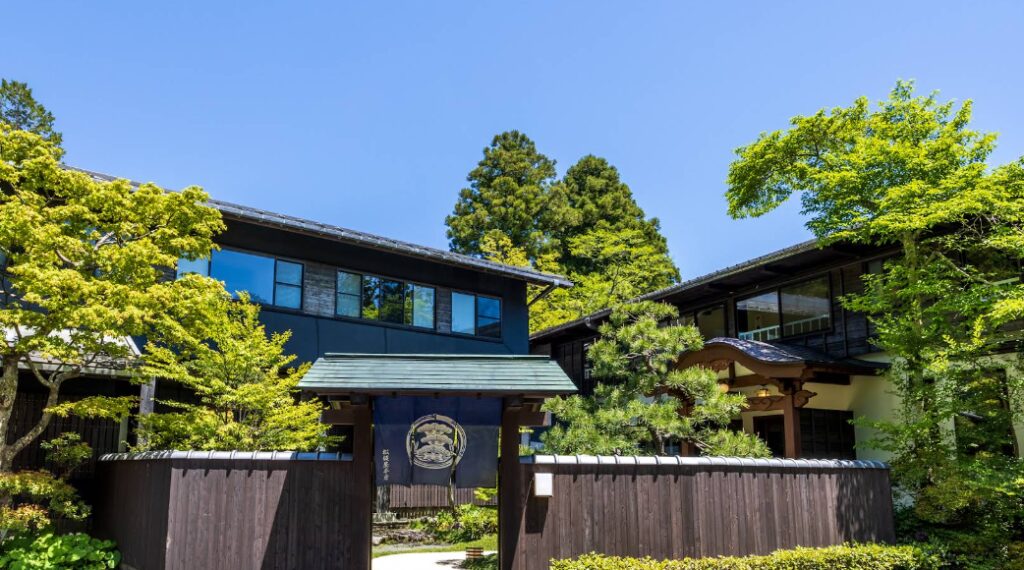
Matsuzakaya Honten brings you into more than 360 years of Hakone history. Founded in 1662, this ryokan stands in Ashinoyu, a mountain hot spring area around 870 metres above sea level. The setting feels removed from Hakone’s busier centres, yet Lake Ashi is only a short drive away.
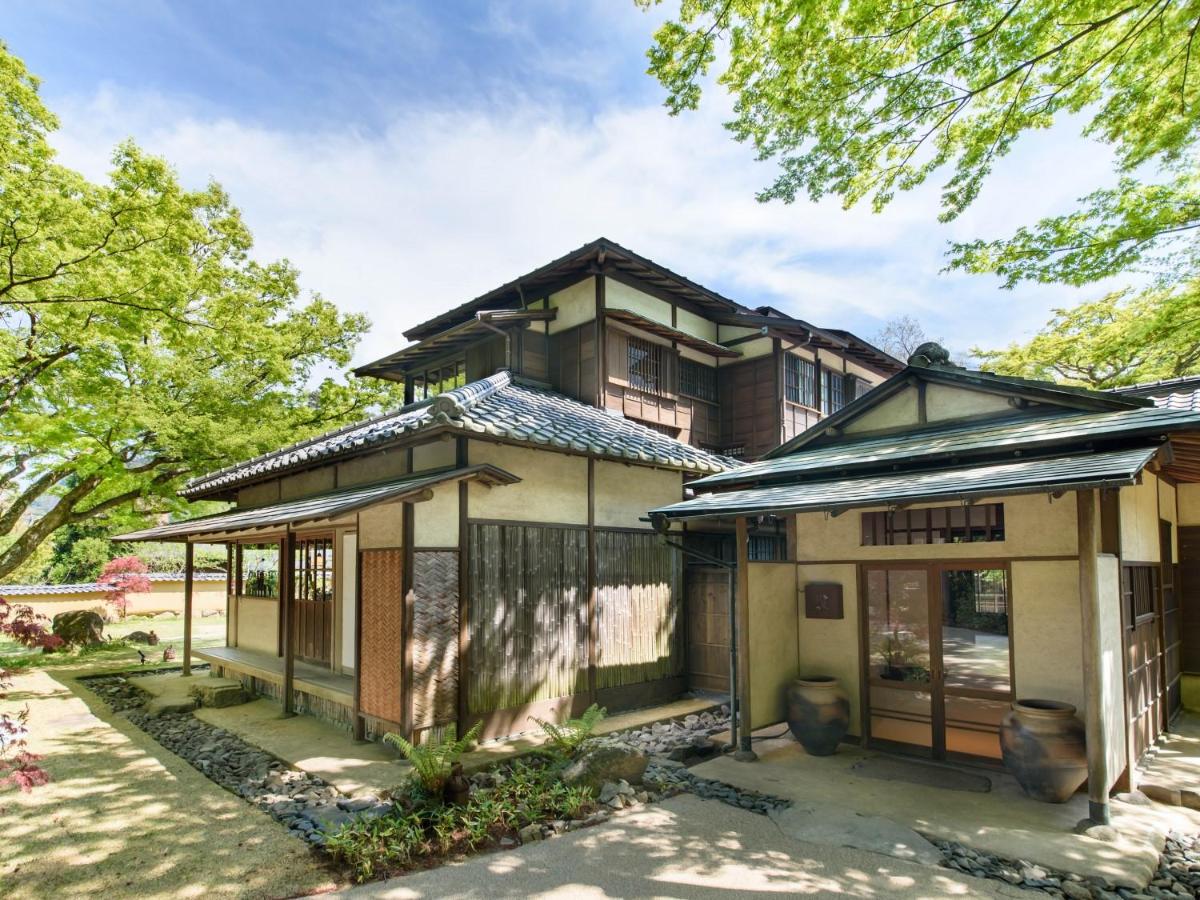
History follows you throughout the property. During the Meiji period, Matsuzakaya Honten provided the setting for a meeting between Takayoshi Kido and Takamori Saigo. Kaishu Katsu, Tesshu Yamaoka, Taneomi Soejima, writers, artists, and members of the Imperial family also spent time here. Several rooms still preserve links with these figures and with important families from Japan’s past.
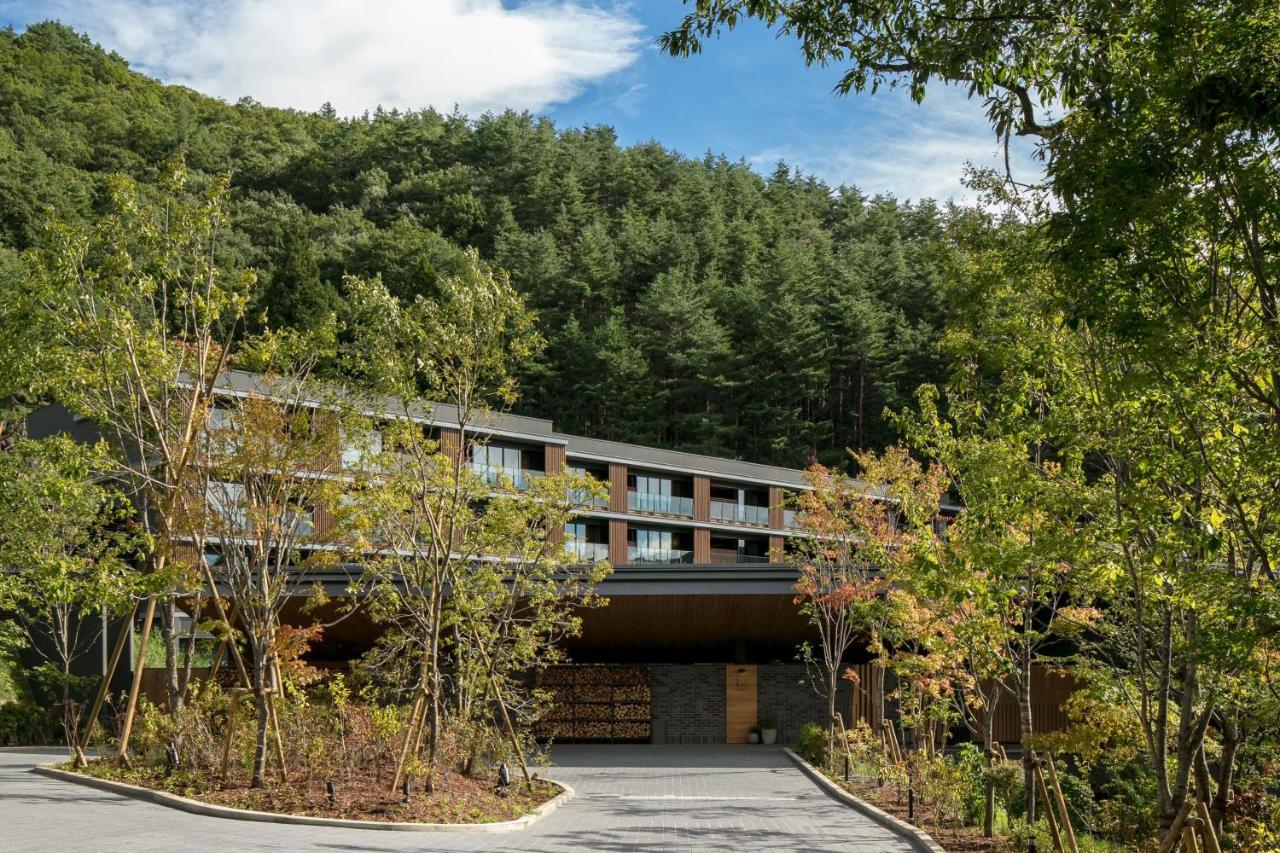
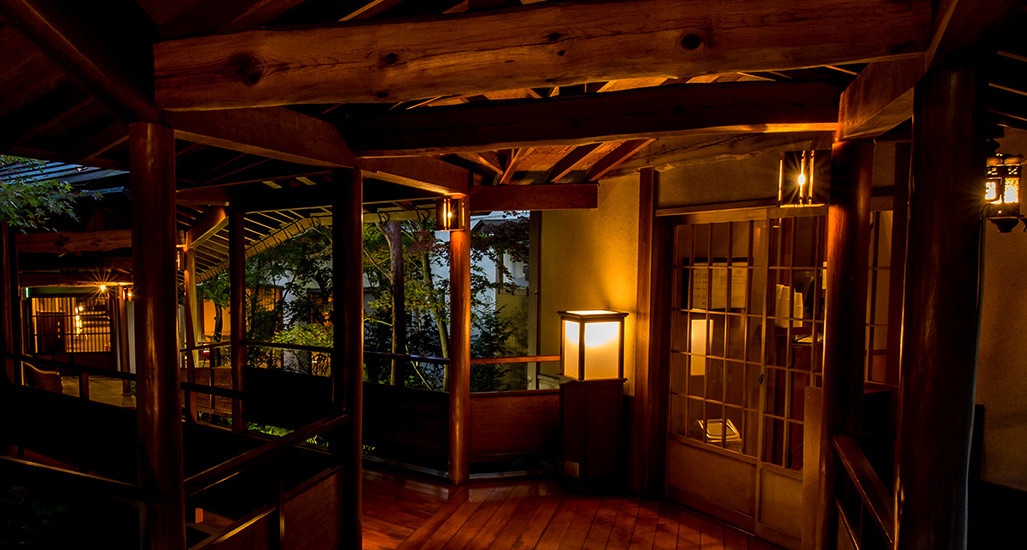
The ryokan now has 21 rooms spread across five pavilions, each with its own age, layout, and atmosphere. Gardens connect the buildings and change clearly through the seasons, from spring flowers and summer greenery to autumn leaves and winter snow.
Your stay centres on three things: the ryokan’s long history, Shukuba Kaiseki dining, and exceptional hot spring water flowing directly from a private source. You can spend your time exploring Hakone, but Matsuzakaya Honten also gives you every reason to stay close, bathe often, and enjoy the property at an unhurried pace.
Accommodation
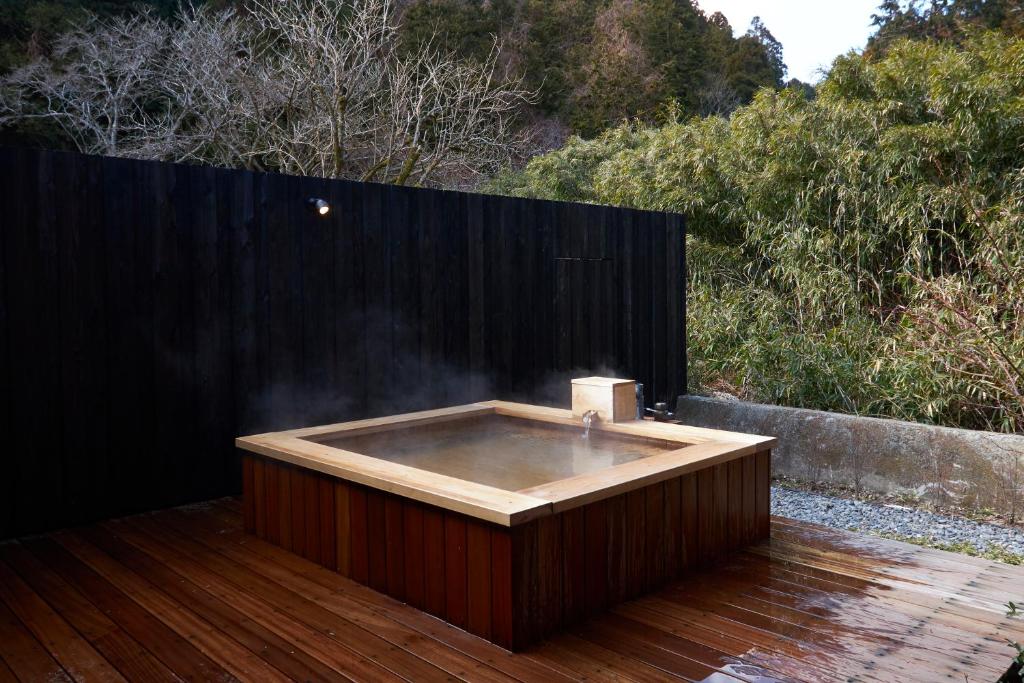
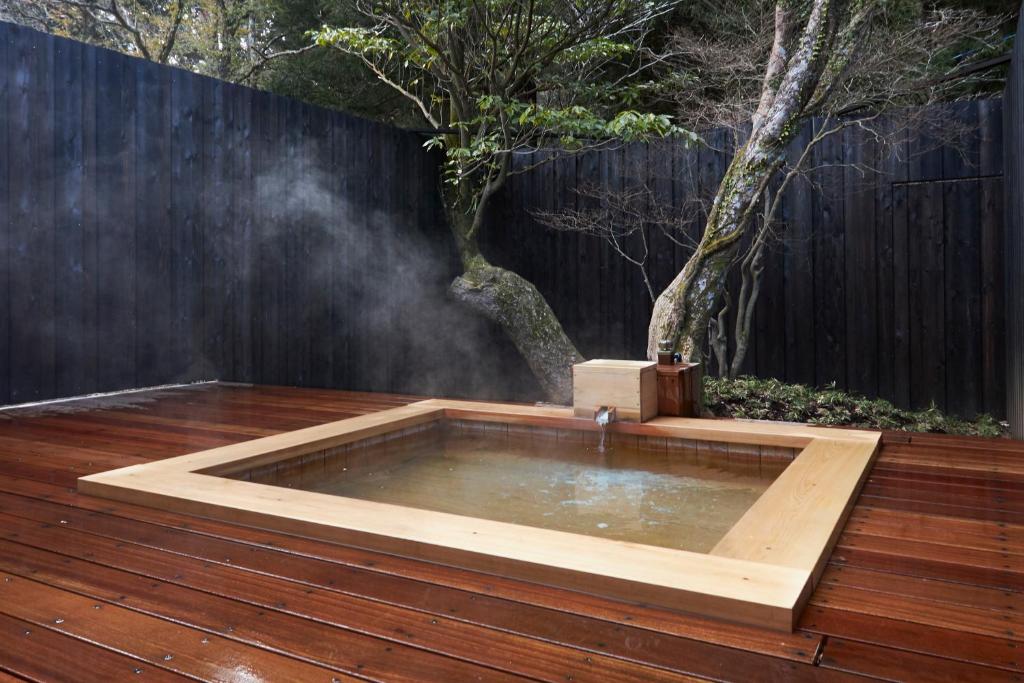
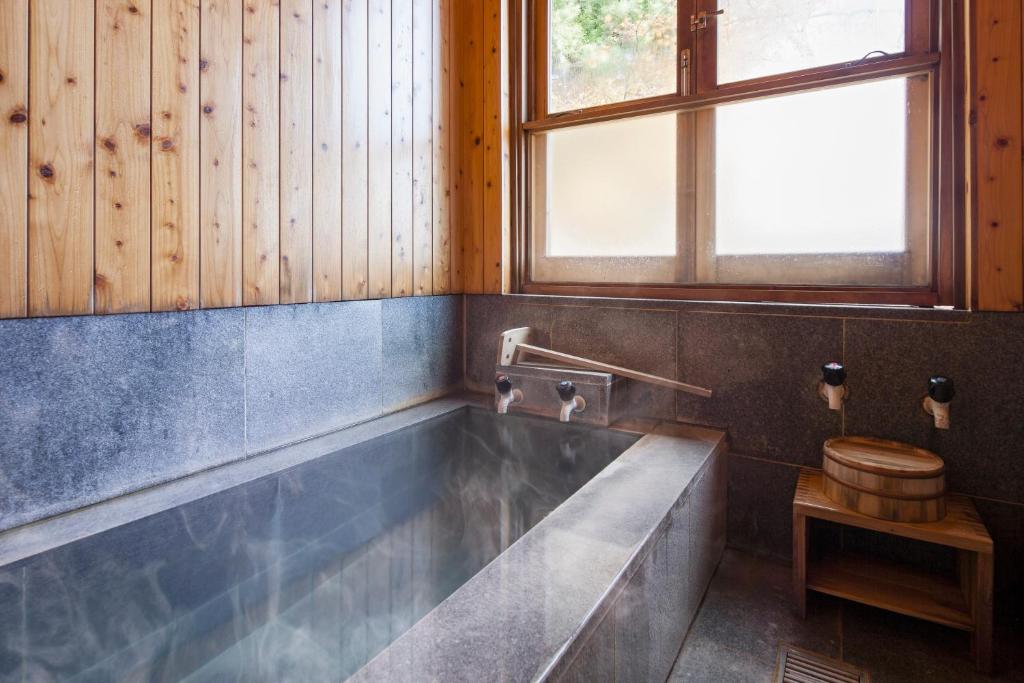
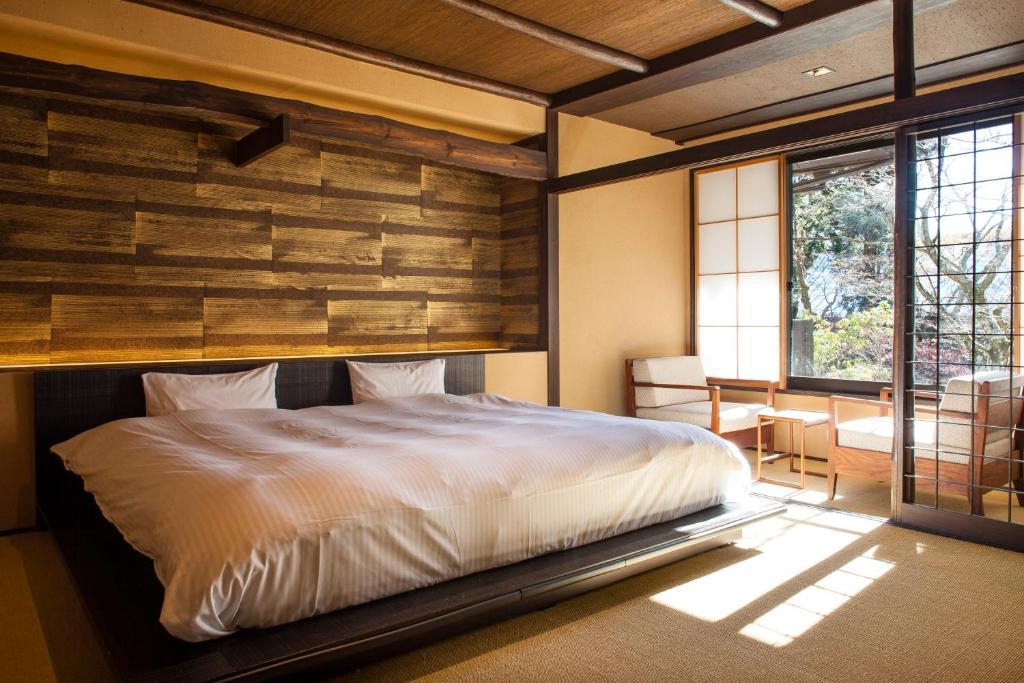
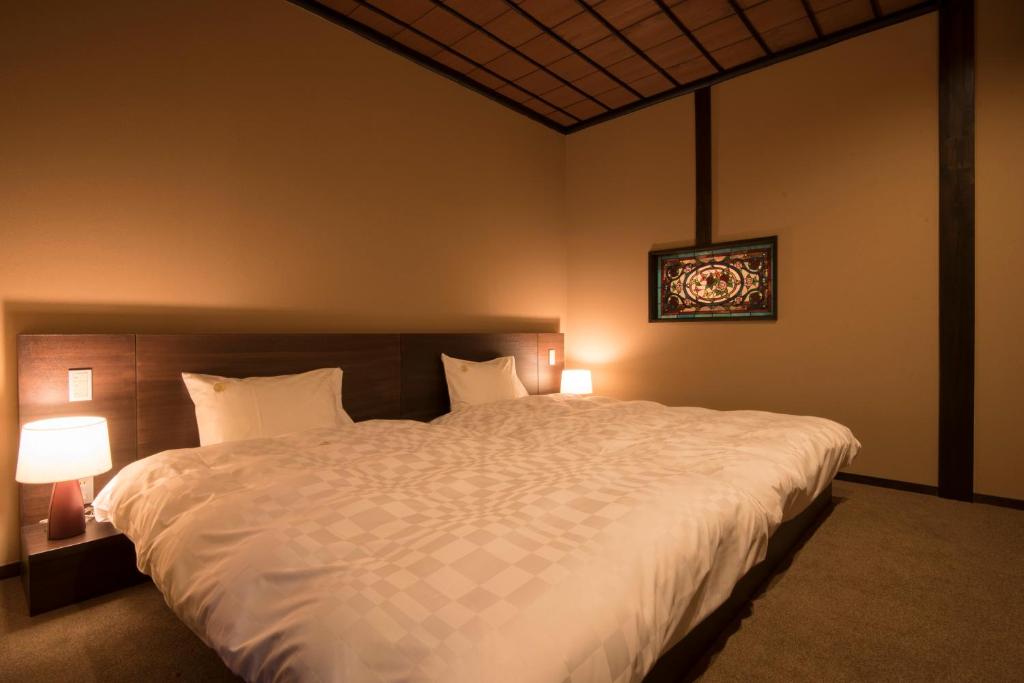
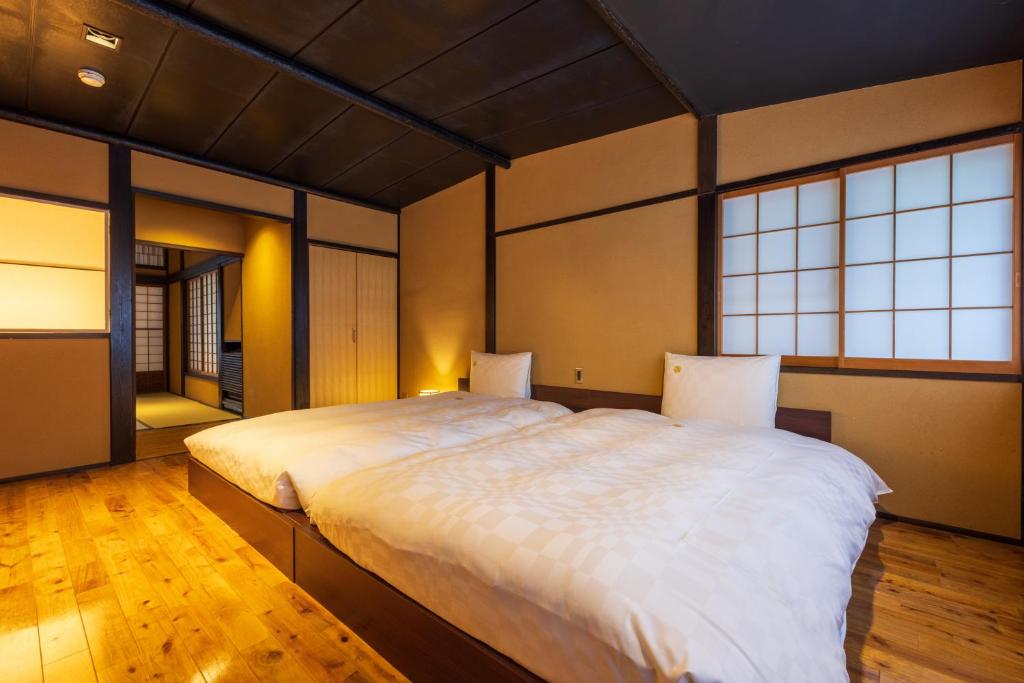
Matsuzakaya Honten offers detached houses, maisonettes, spacious Japanese-Western rooms, and historic rooms with twin beds. Many include a private indoor or open-air hot spring bath, while rooms without their own onsen give you access to the shared baths and five private open-air baths.
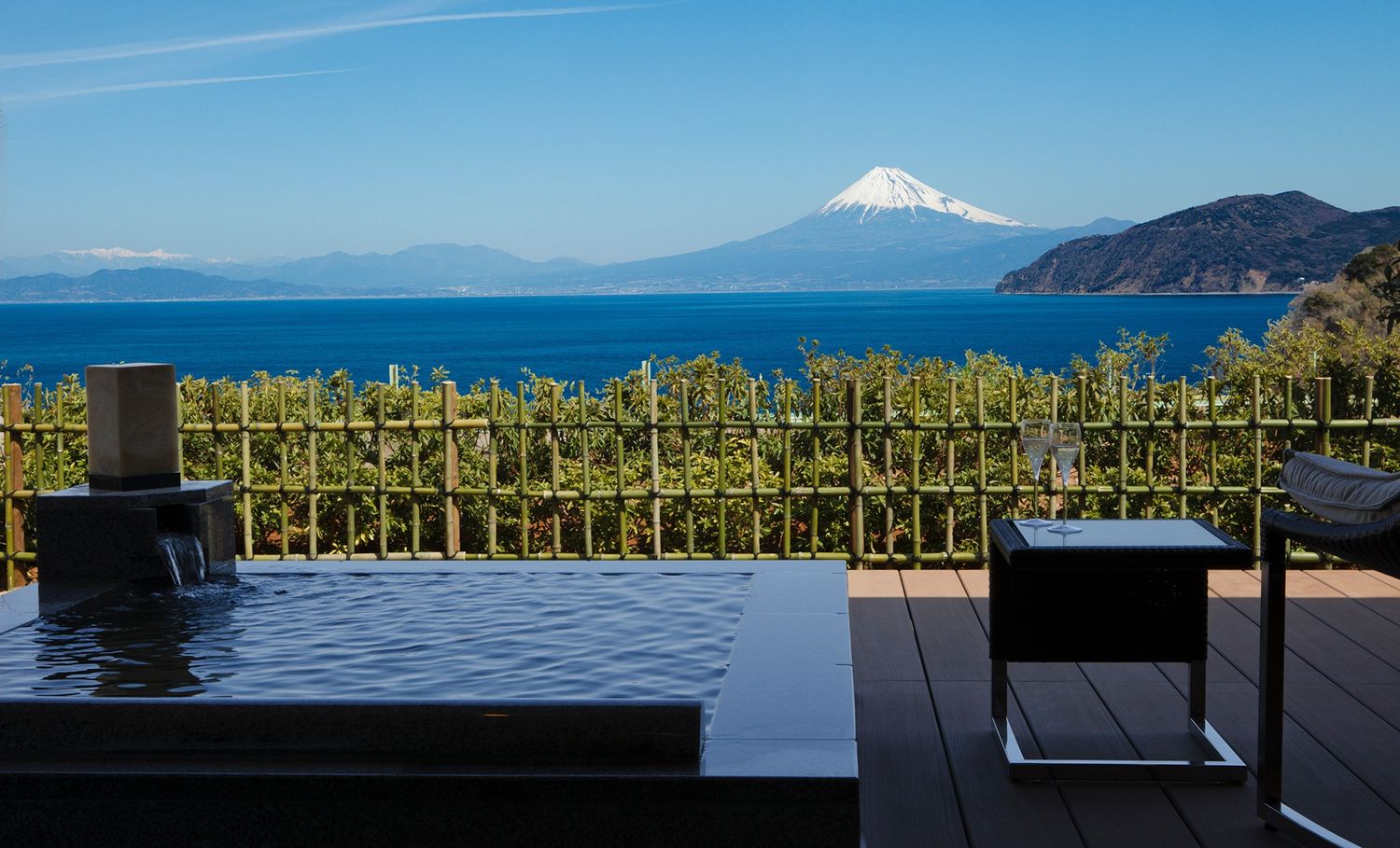
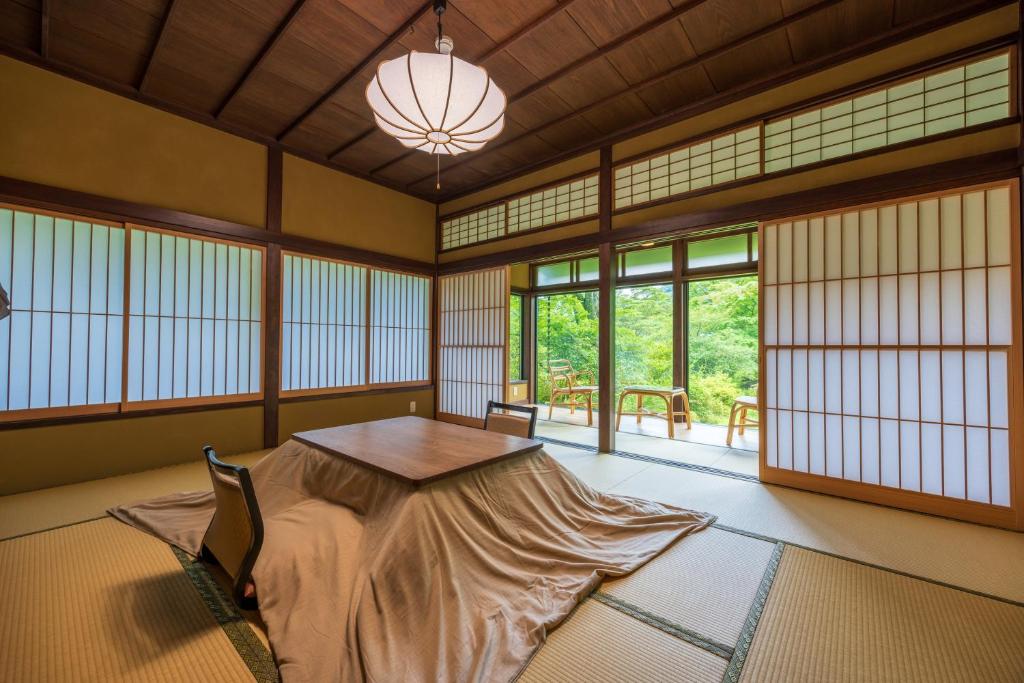
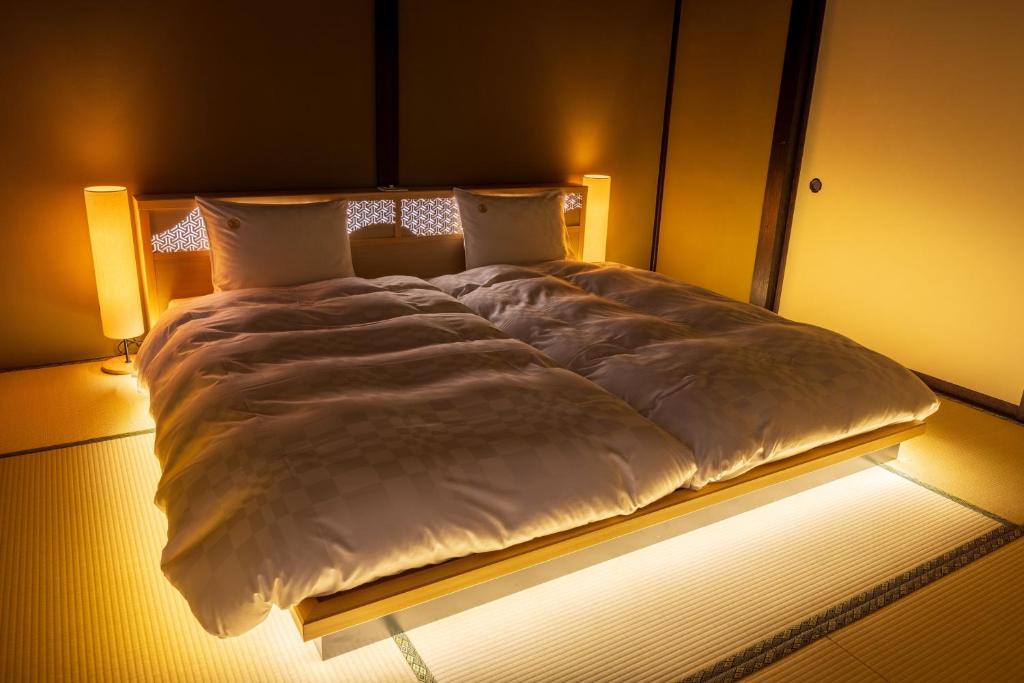
Hanare includes two detached, single-storey houses renovated in 2024. Senshintei measures 92.4 square metres and dates back to a villa built in 1887. Emperor Taisho visited the building while still Crown Prince, and part of it was later moved to its present location. Gyokoso measures 74.9 square metres and once served as a living room for Prince Kanyin’s family during a summer stay. Both houses combine two beds with additional futon space and include private indoor and open-air hot spring baths. Large windows look towards the garden and Hakone mountains.
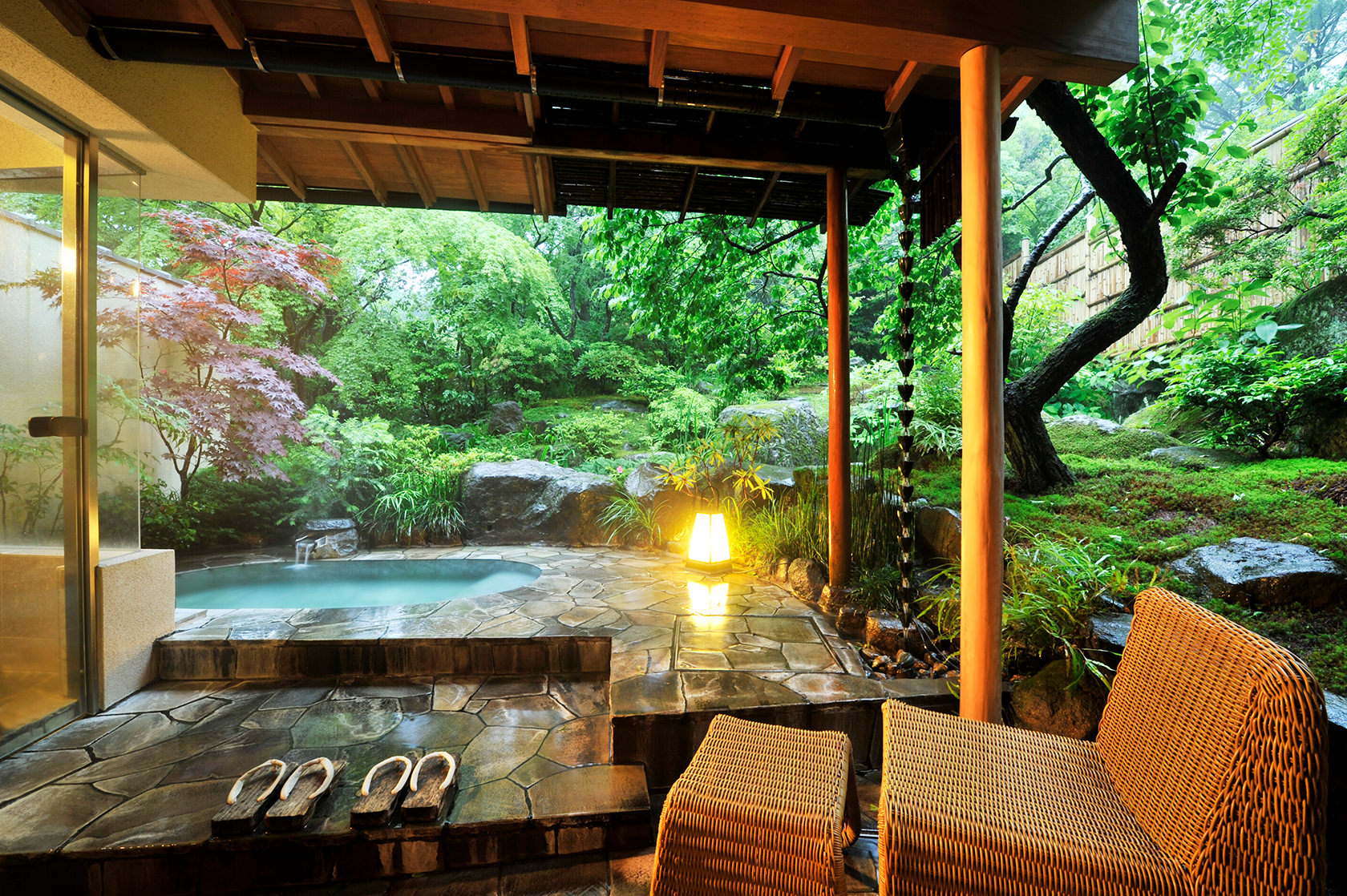
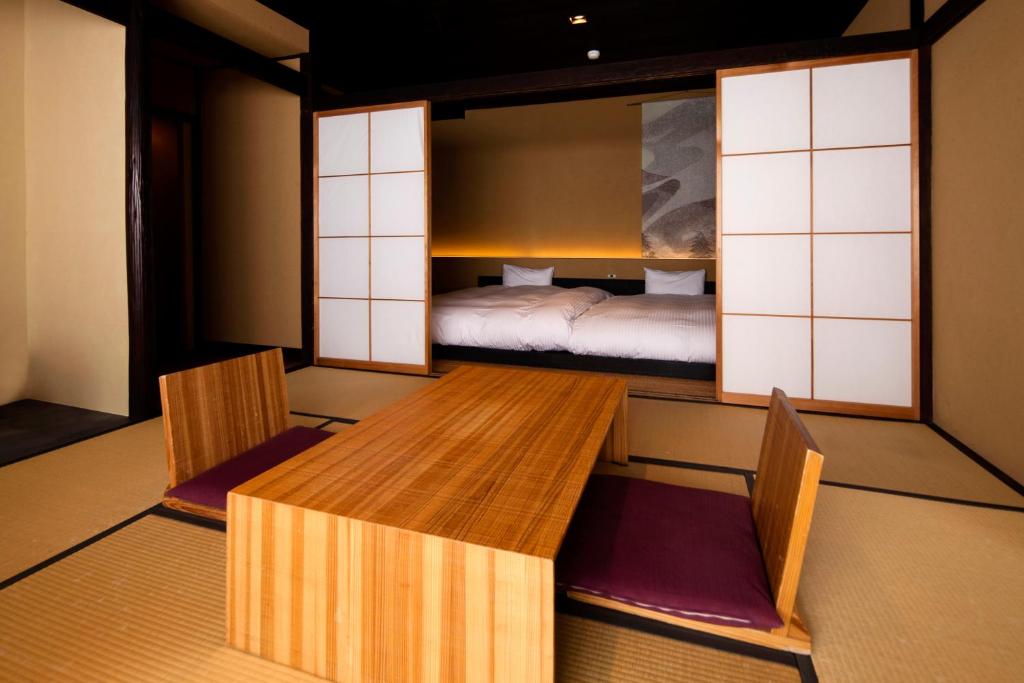
Shunpuso occupies a former villa connected with the Iwasaki family of Mitsubishi. Tokiwa offers 88 square metres, two separate rooms, a large veranda, garden views, twin beds, futon space, and a private open-air bath. Wakamatsu measures 65 square metres and separates the living room from the bedroom, with an open-air bath outside. Akebono is a 74-square-metre maisonette with a king-size bed and private open-air bath. On the second floor, Kumoi and Kozue offer large, bright layouts with separate living and sleeping areas, twin beds, futon space, and private indoor hot spring baths.
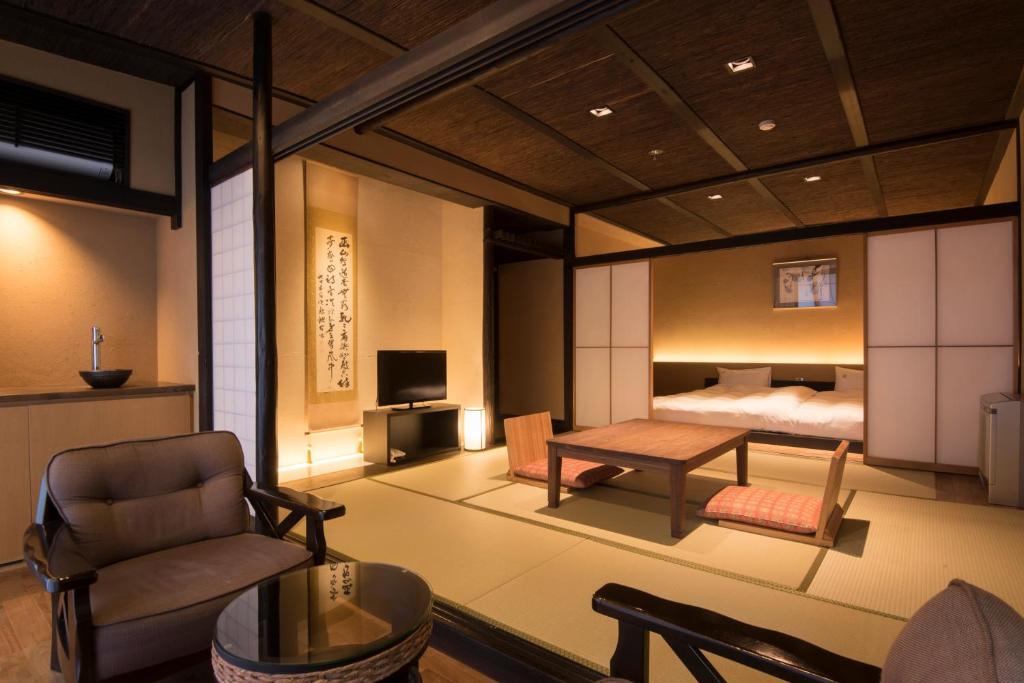
Ashikariso works particularly well when you are travelling as a couple. Ashibue measures 48.7 square metres and separates the living room from the twin bedroom with shoji screens. A private open-air bath completes the room. Himeshara and Yamahoshi are larger maisonettes with living space downstairs, twin bedrooms upstairs, and private open-air baths. Himeshara also looks towards Mount Futago. Matsukaze is a spacious corner room with a separate living area and shower booth rather than an in-room onsen.
Shiranso has three first-floor rooms with private open-air baths and three second-floor rooms with indoor hot spring baths. Fujitsubo, Akashi, and Wakamurasaki combine twin beds with futon space and separate living and sleeping areas. Akashi has a distinctive ten-sided outdoor bath, while Wakamurasaki includes a spacious deck where you can feel the mountain air. Upstairs, Asagao, Utsusemi, and Tamakazura offer private indoor bathing and comfortable layouts for two.
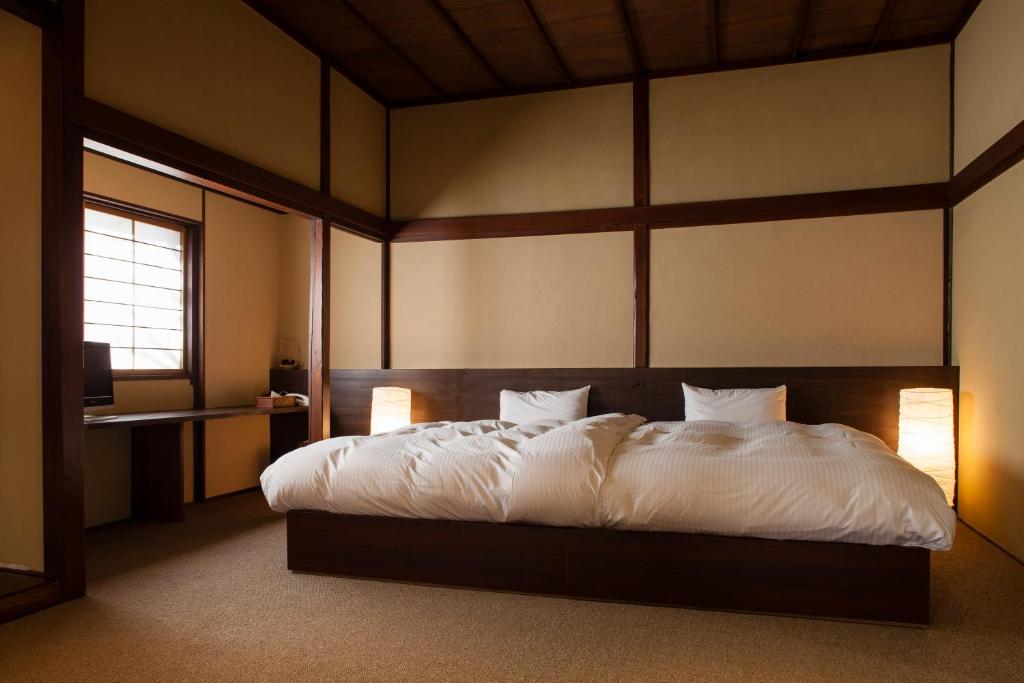
Kakumeikan dates from the Meiji period and contains four second-floor rooms measuring approximately 44 to 58 square metres. These bright Japanese-style spaces have twin beds, separate or clearly defined living areas, and private shower booths. They do not include in-room hot spring baths, so you use the shared baths or reserve one of the private open-air baths.
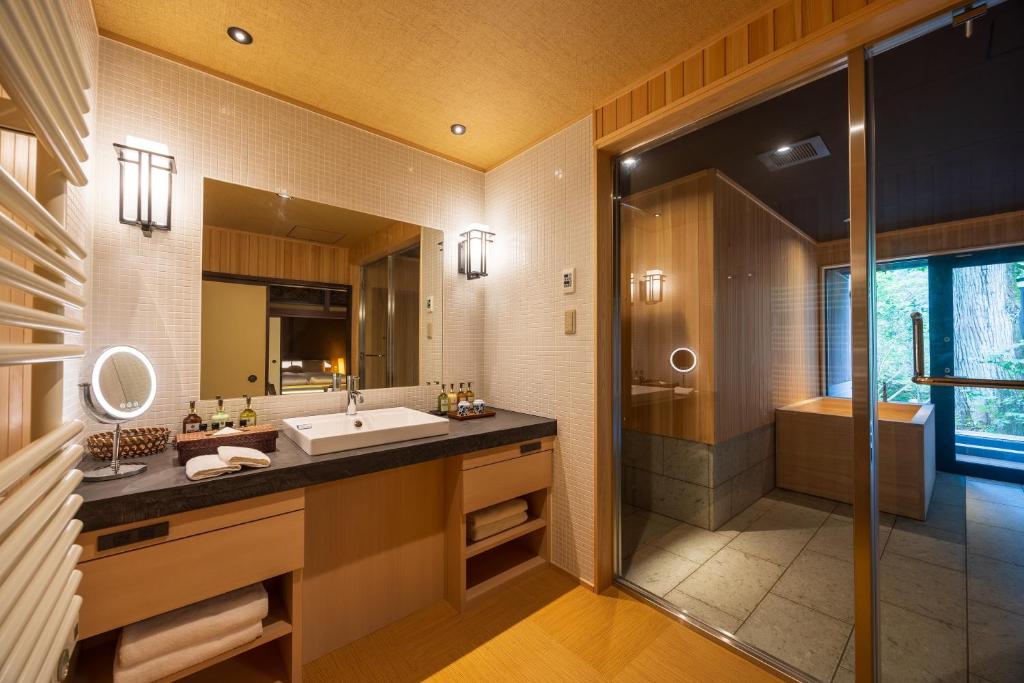
Your room includes free Wi-Fi, individual heating and air conditioning, a television, refrigerator, safe, electric kettle, coffee and tea, hairdryer, bathrobes, towels, toiletries, and a skincare set. Sensatia Botanicals bath products use naturally derived ingredients and come from an environmentally conscious spa brand.
Dining
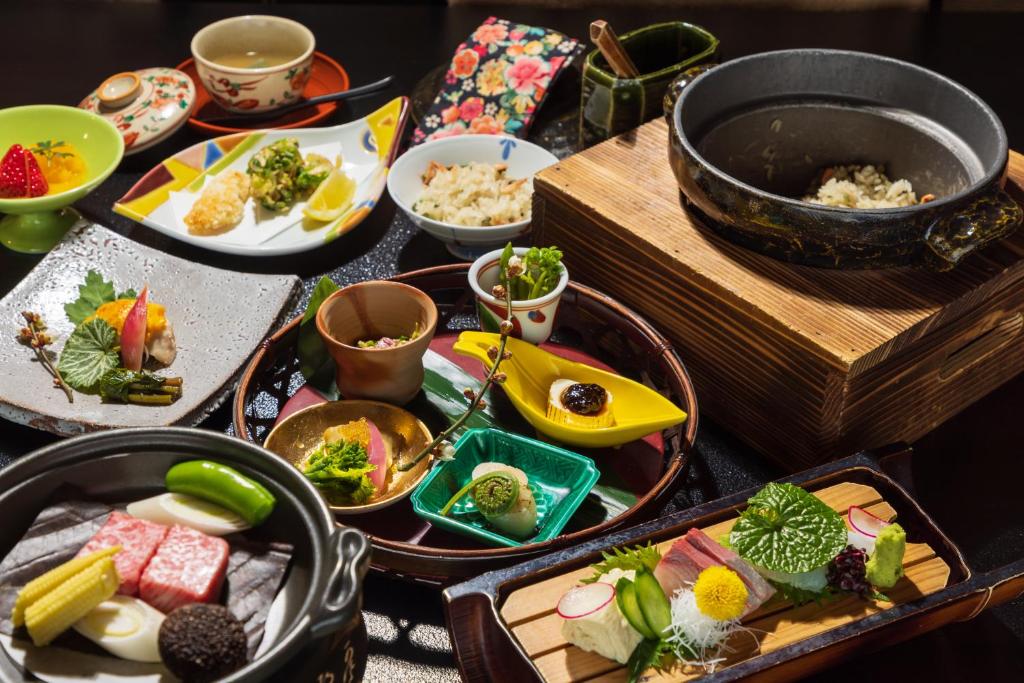
Dinner introduces you to Matsuzakaya Honten’s Shukuba Kaiseki, a style inspired by the meals once served when Ashinoyu flourished as a stopping place in Hakone. The menu follows eight important points in Japan’s seasonal calendar, changing around the beginning of each season, the equinoxes, and the solstices.
You enjoy dishes prepared with ingredients selected for the time of year. The courses combine traditional ryokan cooking with ideas linked to the cultural changes of the Meiji period. Rather than relying on the same menu throughout spring, summer, autumn, or winter, the kitchen makes more frequent adjustments so your dinner reflects a specific moment in the year.
For an expanded meal, you can add dishes such as wagyu beef hot pot, Ise lobster sashimi or grilled lobster, butter-grilled abalone, turban shell, Ashigara beef sushi, or a celebration dessert plate. Availability depends on the season and advance arrangements.
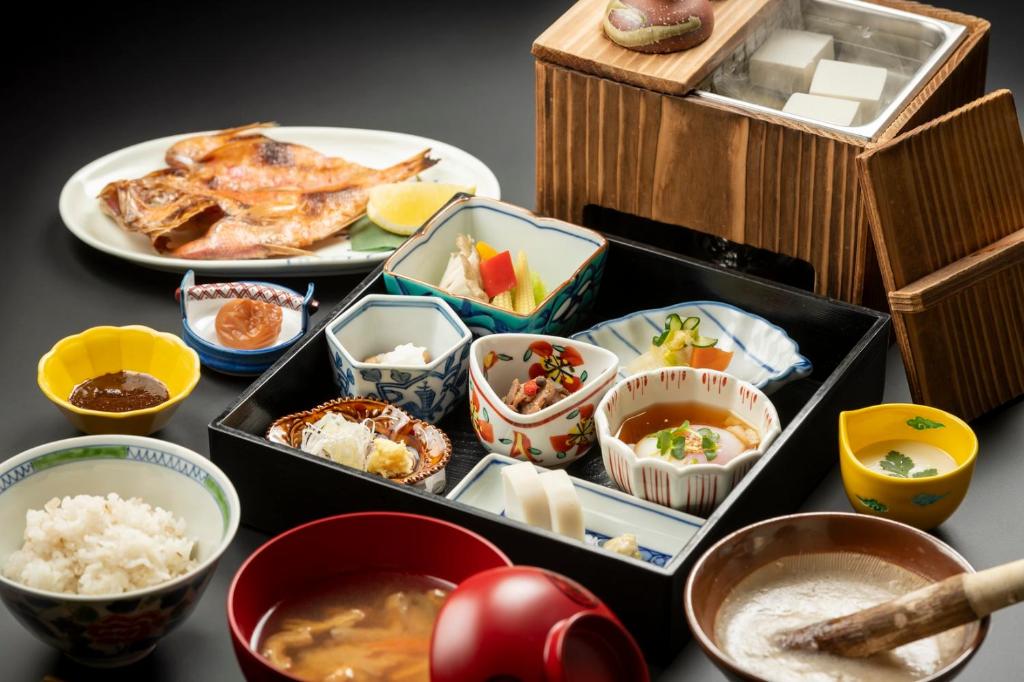
Breakfast follows the idea of a traveller’s morning meal. The kitchen recreates the simple, nourishing food once prepared before a day on the road, using present-day ingredients. The result gives you a traditional Japanese start without making the meal feel overly heavy.
You eat at Restaurant En, where seating includes tables, tatami rooms, sunken kotatsu-style tables, semi-private spaces, and fully private rooms. Windows frame fresh leaves, autumn colour, or snow depending on when you visit. Dinner begins at one of two scheduled times, while breakfast offers several morning sittings.
Vegetarian, vegan, and pescatarian meals can be prepared with advance notice. The kitchen cannot offer a fully gluten-free menu because miso and soy sauce may contain wheat, gluten, and soy. Complete allergen separation cannot be guaranteed, so you should provide detailed dietary information before your arrival.
Onsen and Wellness
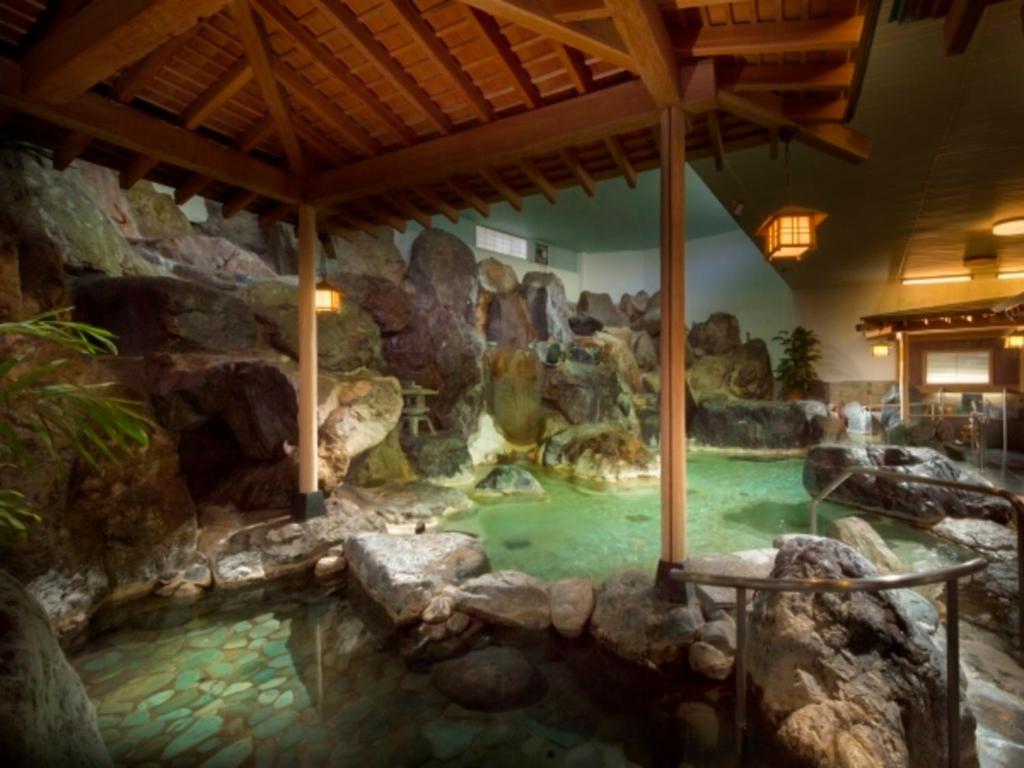
Matsuzakaya Honten draws all of its hot spring water from its own Ashinoyu source. The spring produces approximately 200 to 250 litres each minute, supplying the baths with water that flows continuously without heating, dilution, or circulation.
The water appears emerald green when it first emerges and may gradually turn cloudy white as its temperature changes or as it reacts to the weather. The source measures 58.6°C and has a pH of 8.1.
This mildly alkaline, hypotonic, high-temperature spring contains sulfur, calcium, sodium, magnesium, sulfate, and bicarbonate components. Its unusual composition brings together three qualities often associated with skin care in Japanese hot spring culture: sulfur water, sulfate water, and bicarbonate water. The water has received a Beautiful Skin Onsen Certificate after analysis of the bathing water and its effect on the skin’s surface and natural oils.
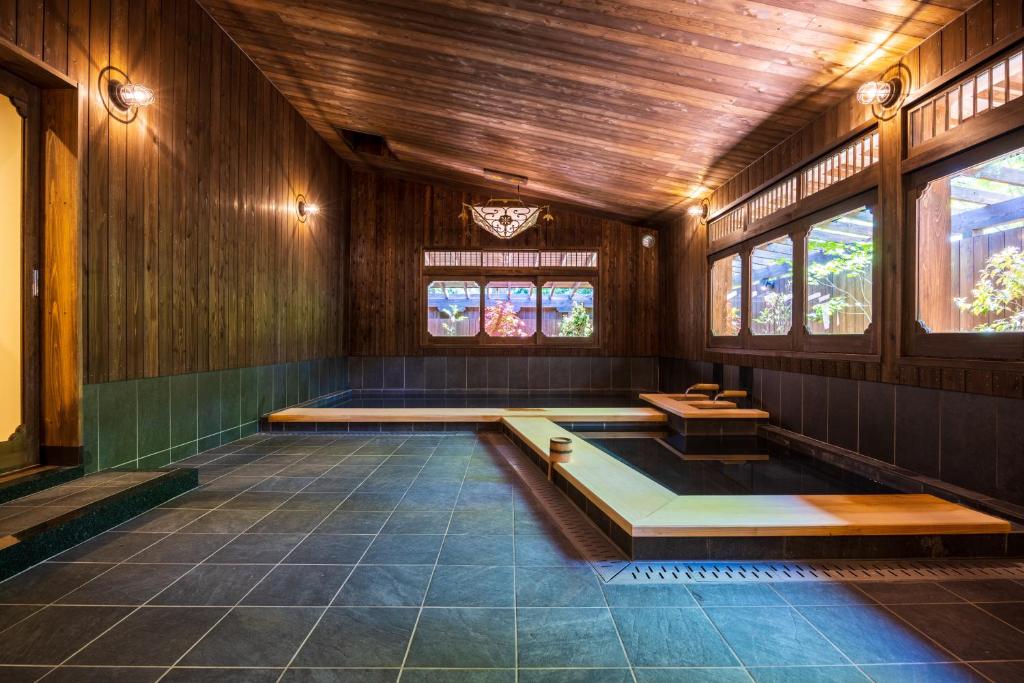
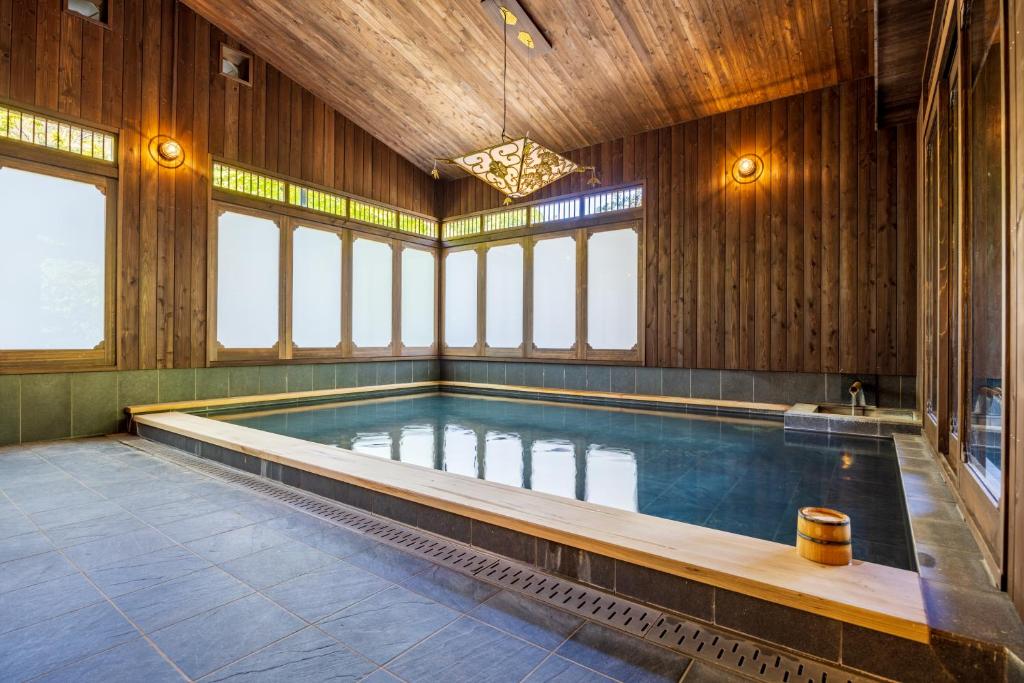
The large bathing area was renewed in 2023 with wood, glass, spacious changing areas, private lockers, and views towards a Japanese garden. Separate baths are provided for men and women. You can use them from the afternoon until midnight and again in the early morning.
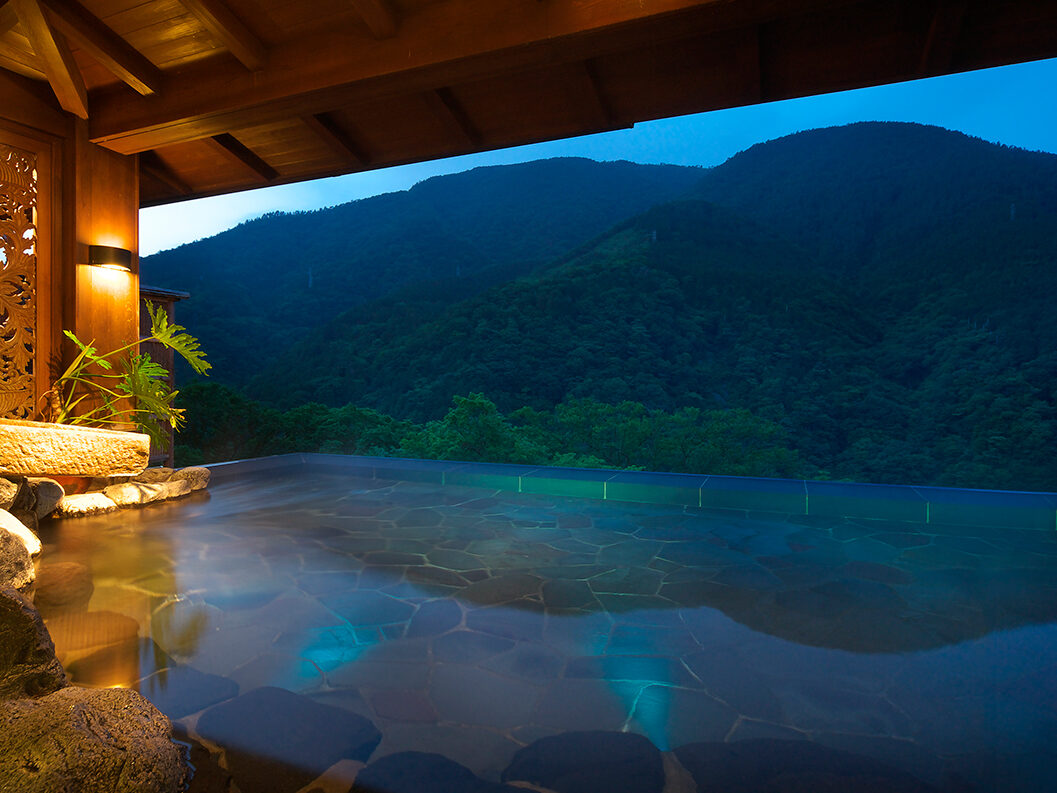
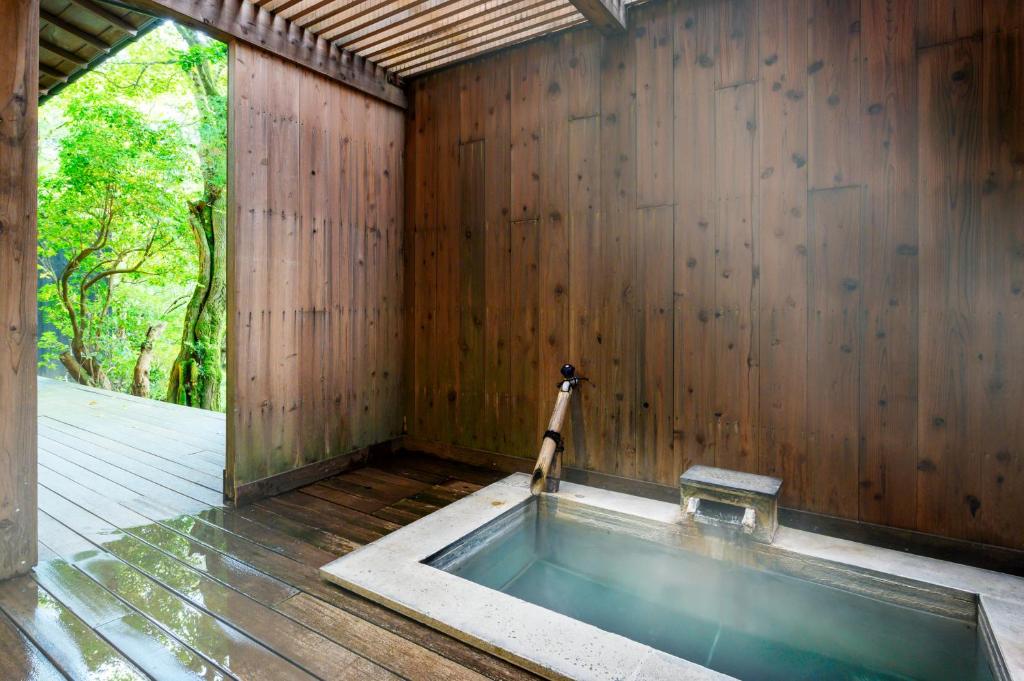
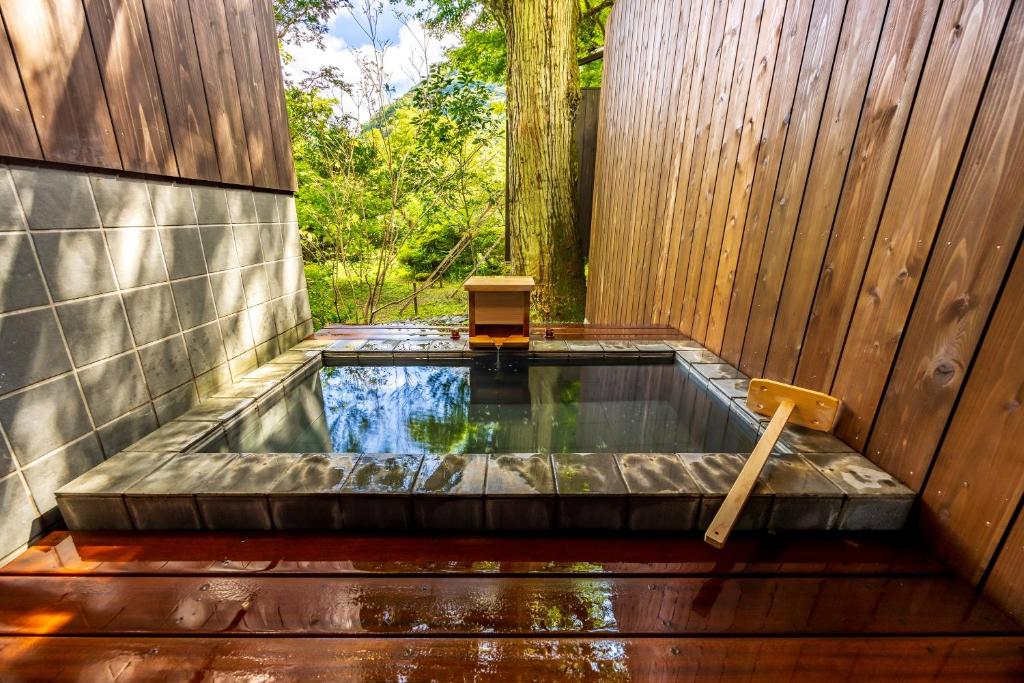
Five private open-air baths give you more privacy. Each one uses the same free-flowing water and can be reserved after check-in for a 45-minute session. You can bathe as a couple or family without sharing the space with anyone else.
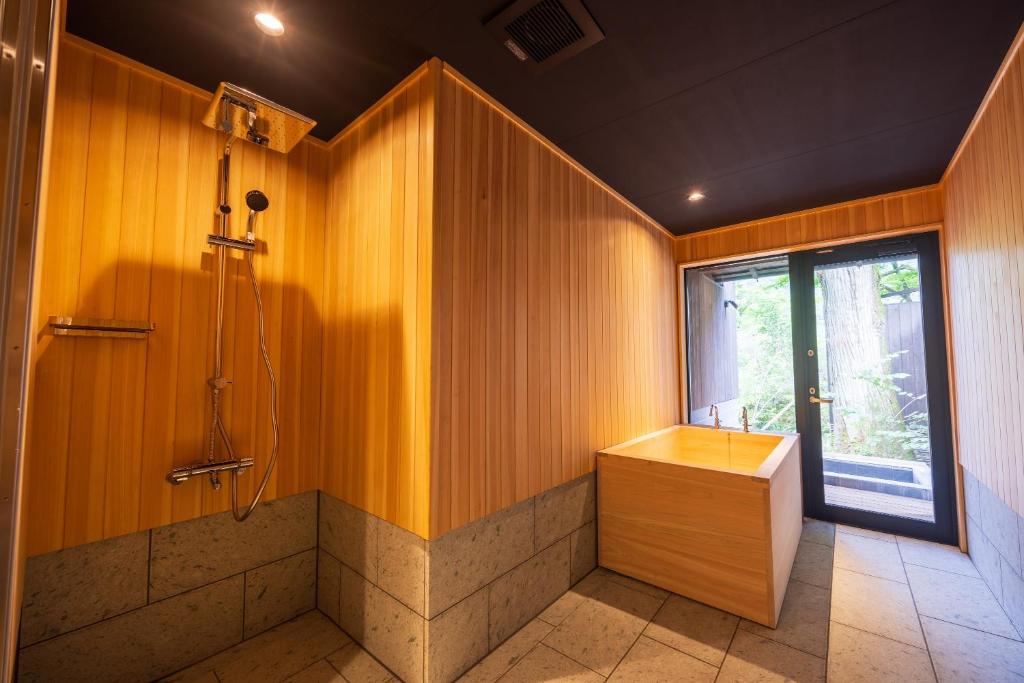
Rooms in Hanare and many rooms in Shunpuso, Ashikariso, and Shiranso also include their own indoor or open-air hot spring baths. These let you soak whenever you like without following the shared-bath schedule. Kakumeikan and Matsukaze have shower facilities instead, but you can still use the large baths and reserve a private open-air bath.
Matsuzakaya Honten also has team members trained in hot spring bathing methods. Guidance focuses on enjoying the water without overheating or becoming tired from repeated long soaks.
Guests with Tattoos
You can use the shared public baths when your tattoo can be fully covered with tape. Larger tattoos must not remain visible in the shared bathing areas.
When your tattoo cannot be covered, you can reserve one of the five private open-air baths. You can also choose a room with its own indoor or open-air hot spring bath, allowing you to enjoy the water in complete privacy.
Facilities
Matsuzakaya Honten includes a Meiji-inspired lounge where you can sit with drinks, including alcoholic and non-alcoholic choices. The former bar area currently serves as additional lounge space. Around the traditional sunken hearth, you can play shogi, cards, karuta, Othello, and simple fishing games, while picture books provide entertainment for younger children.
Restaurant En provides table, tatami, sunken-table, semi-private, and private dining areas. The property also includes the large gender-separated hot spring baths, five private open-air baths, garden paths, free Wi-Fi, and parking. Limited rental items include humidifiers, DVD players, irons, trouser presses, extra pillows, baby equipment, reading lights, extension cables, and other useful items.
The buildings come from different periods and stand across a large hillside property, so some rooms involve stairs or longer walks. Your room choice matters when you prefer easier access to the restaurant or bathing areas.
Activities
You can follow a maintained mountain walking course around Matsuzakaya Honten and see traces of the landscape that existed before the former Ashinoyu marshland was developed. The route introduces you to scenery connected with the area’s Edo-period past and is designed to be manageable across different age groups.
Ashinoyu also contains historic stone Buddhas, stone pagodas, and other remains dating back to the Kamakura period. Beside the ryokan, Kumano Shrine contains Tokoan, a place once associated with writers and artists.
Inside the property, you can spend time in the lounge, play traditional games around the sunken hearth, walk through the seasonal gardens, or plan a bathing routine using the room bath, private open-air baths, and shared baths.
Lake Ashi is around eight minutes away by car. From there, you can explore Moto-Hakone, visit Hakone Shrine, see the lakeside torii gate, or continue towards other parts of Hakone. When travelling by public transport, buses connect Ashinoyu with Hakone-Yumoto and the Lake Ashi area.
Additional Features
Check-in begins at 3:00 p.m., and check-out is by 11:00 a.m. From Hakone-Yumoto Station, the bus journey to Higashi-Ashinoyu takes approximately 25 minutes, followed by a short walk to the ryokan. Parking is available when you arrive by car.
Luggage delivery can be arranged from another accommodation, while private car transfers can be organised in advance from Hakone-Yumoto Station, Odawara Station, airports, and selected regional destinations.
Matsuzakaya Honten suits you when you want more than a place to sleep between sightseeing stops. You stay within a living part of Hakone’s history, eat meals shaped around the traditional calendar, and bathe in distinctive water that has flowed through Ashinoyu for centuries.