Overview
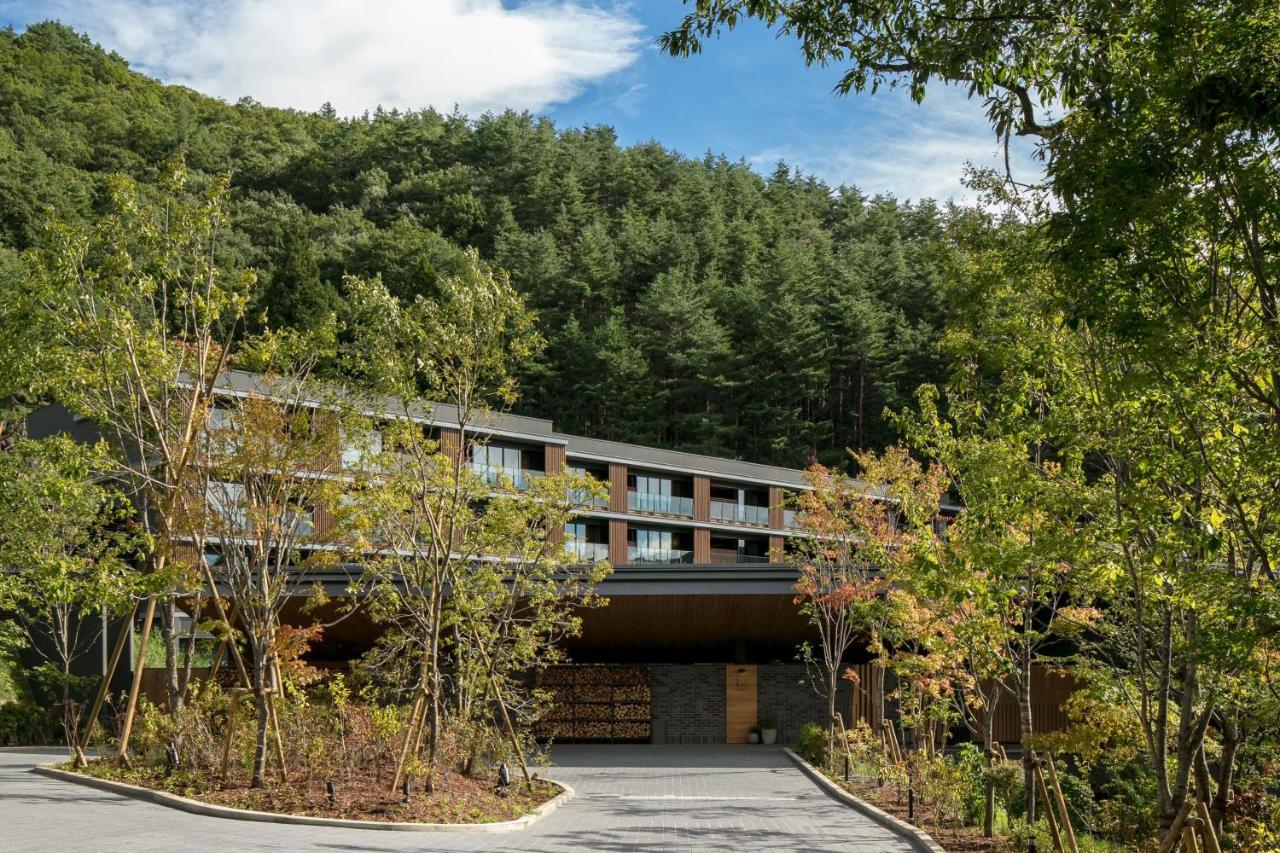
Bansuirō Fukuzumi places you beside the Hayakawa River in Hakone-Yumoto, around seven to eight minutes on foot from Hakone-Yumoto Station. You stay close to the shops, cafés, trains, and buses of the hot spring town, yet the riverside garden and historic interiors create a quieter setting once you step inside.
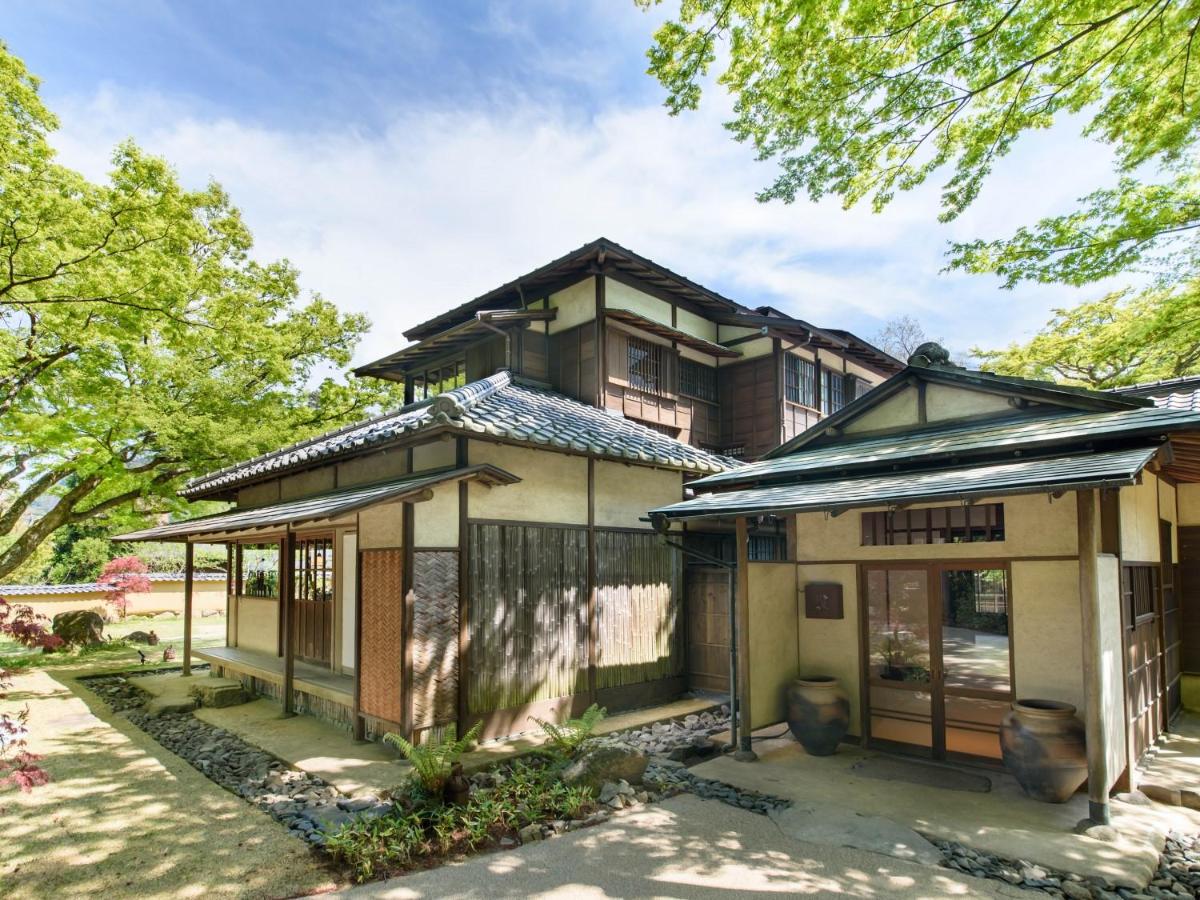
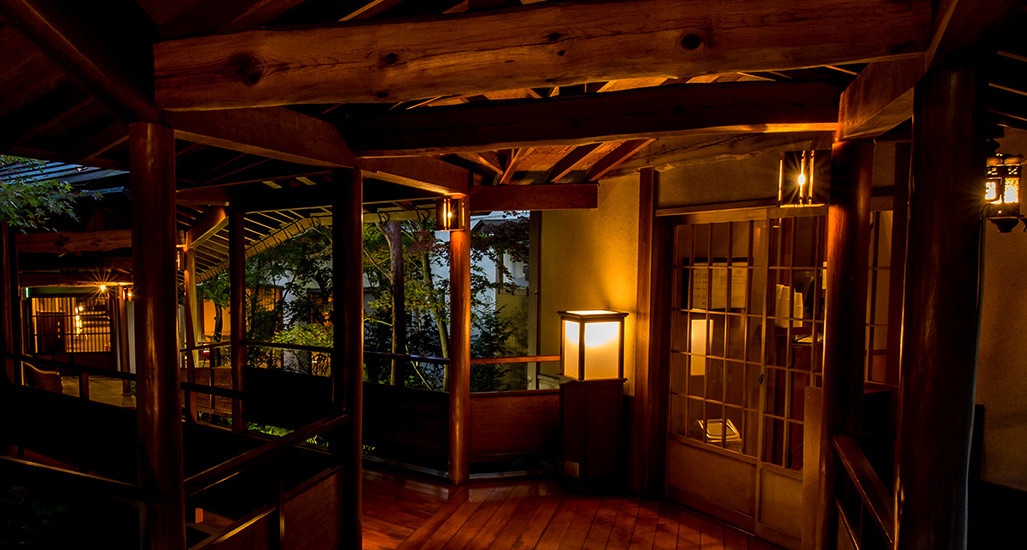
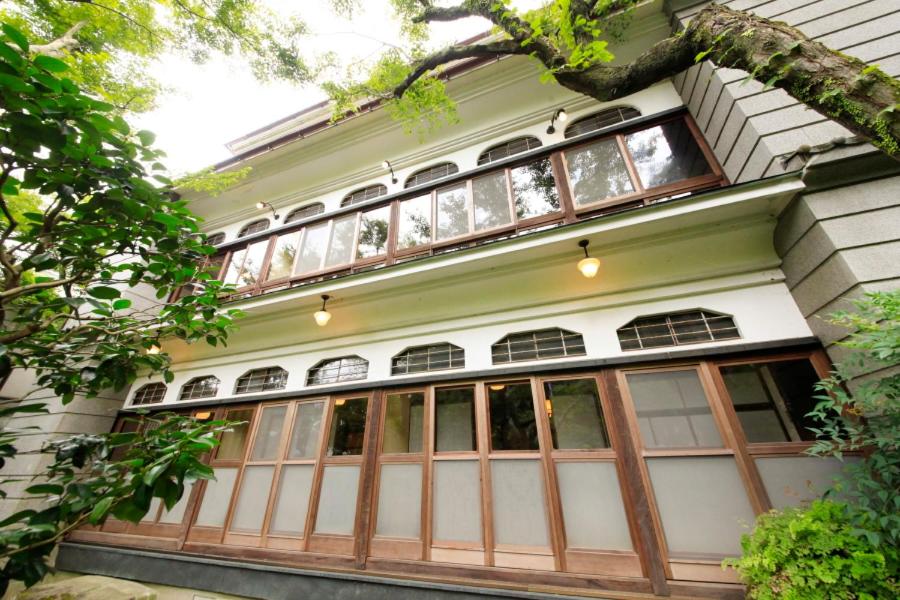
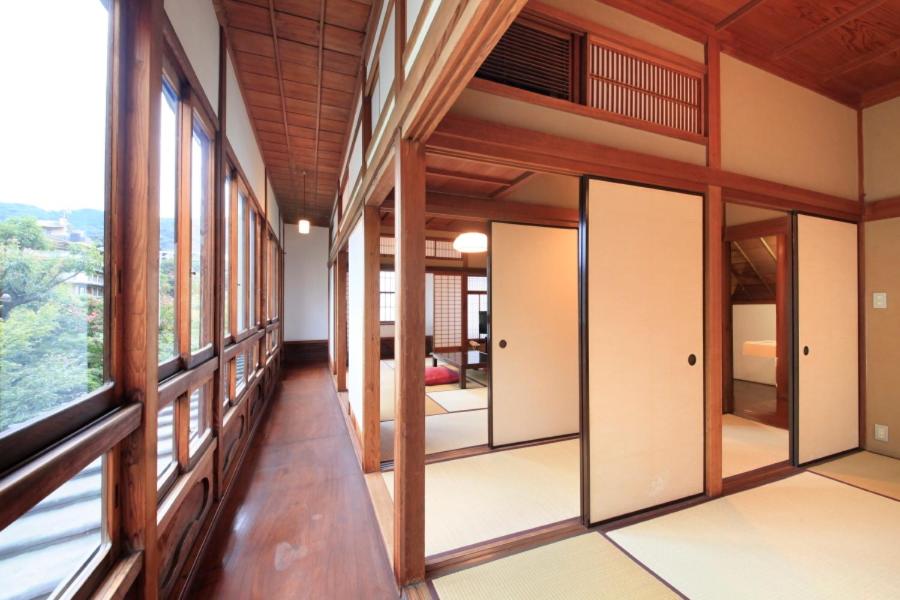
Founded in 1625, Bansuirō Fukuzumi carries almost four centuries of onsen history. The Meiji-era Bansuirō and Kinsenrō buildings combine Japanese sukiya-style construction with Western ideas from the late nineteenth century. In 2002, these buildings became the first operating ryokan structures in Japan to receive designation as National Important Cultural Properties.
As you move through the ryokan, you can notice hand-cut wooden details, different shoji lattice patterns, curved doors fitted around natural tree-trunk pillars, and other features created by skilled craftspeople. The property’s history also connects you with figures including Utagawa Hiroshige, Fukuzawa Yukichi, Kido Takayoshi, Itō Hirobumi, and members of the Imperial family.
With only 15 Japanese rooms, Bansuirō Fukuzumi gives you a close connection to its architecture, seasonal cooking, and privately managed hot spring source. Your room choice shapes the experience, as some historic rooms have no private bath while the Kinsenrō and Shōwa wings include indoor cypress baths supplied with onsen water.
Accommodation
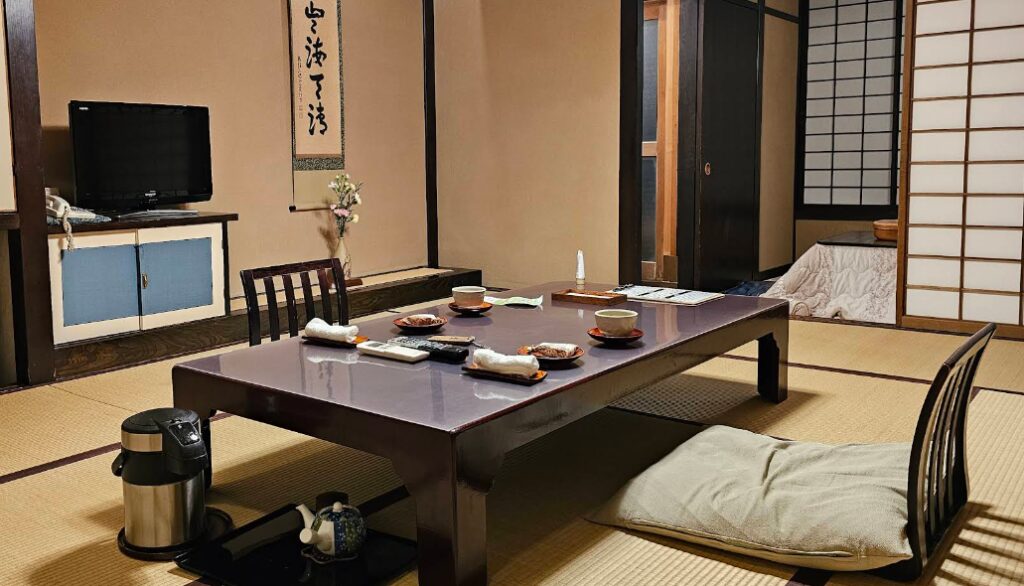
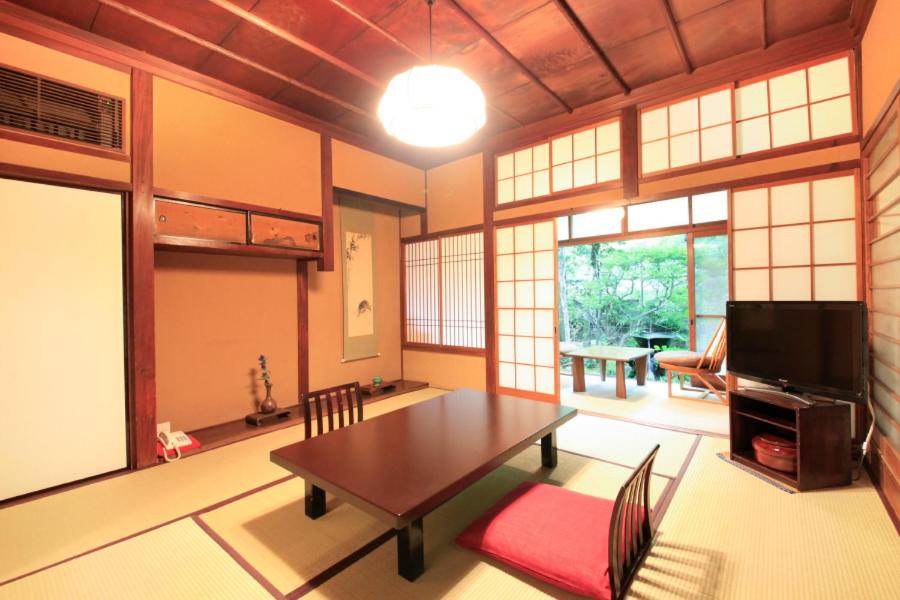
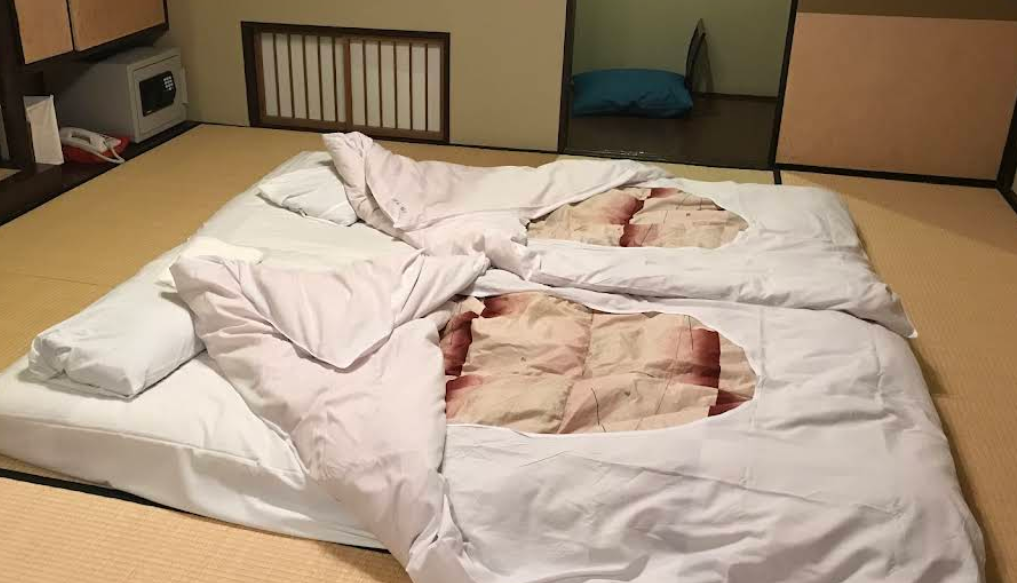
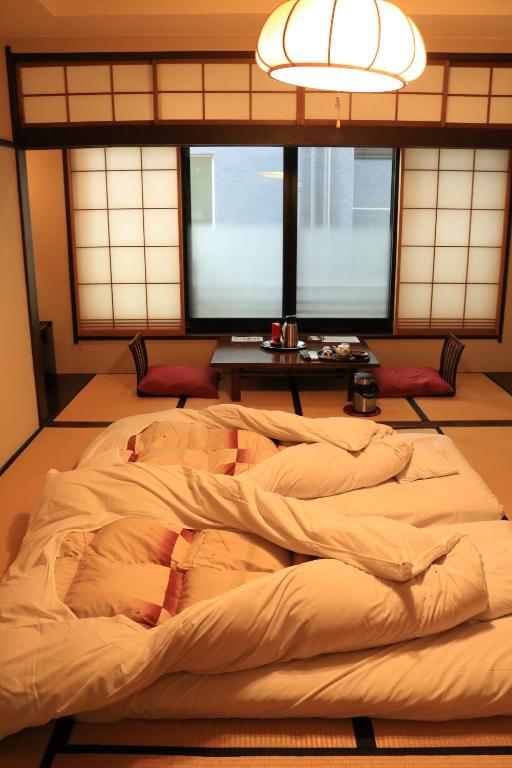
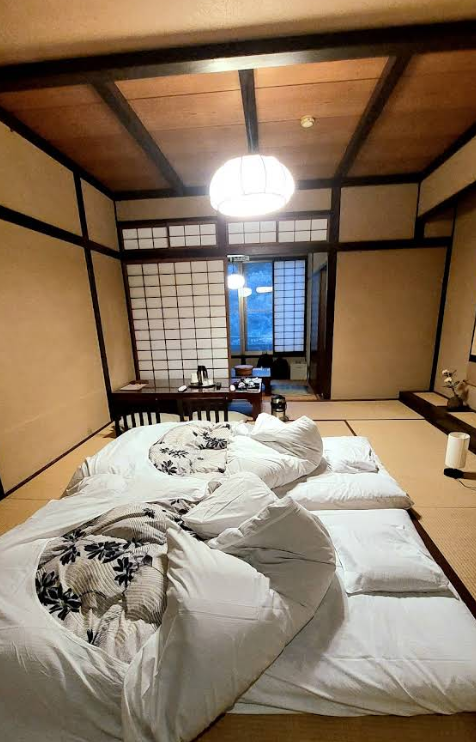
All rooms follow a Japanese layout with tatami flooring, low tables, shoji screens, and futon bedding. The rooms sit across three sections: the National Important Cultural Property buildings Bansuirō and Kinsenrō, and the later Shōwa Wing. Each section has its own character, and several upper-floor rooms require stairs.
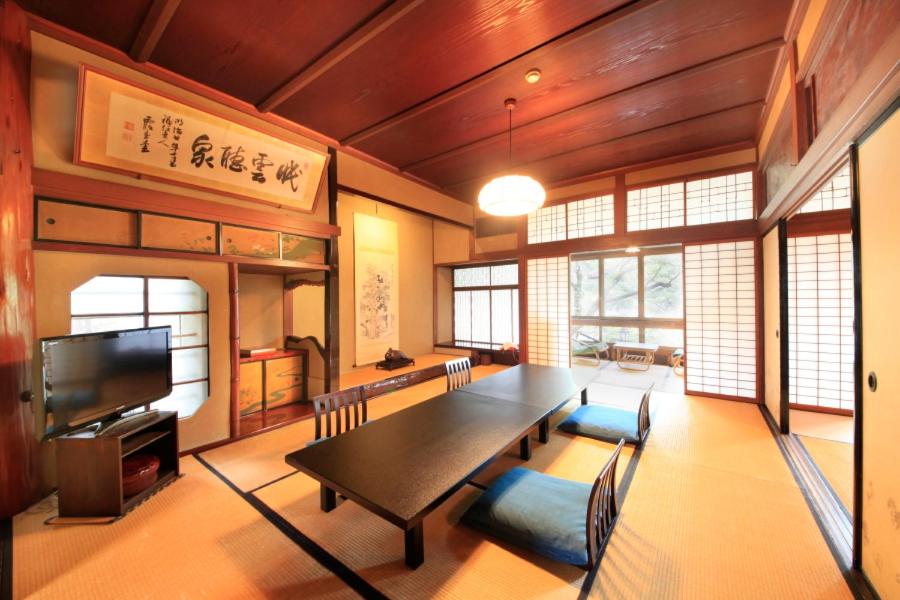
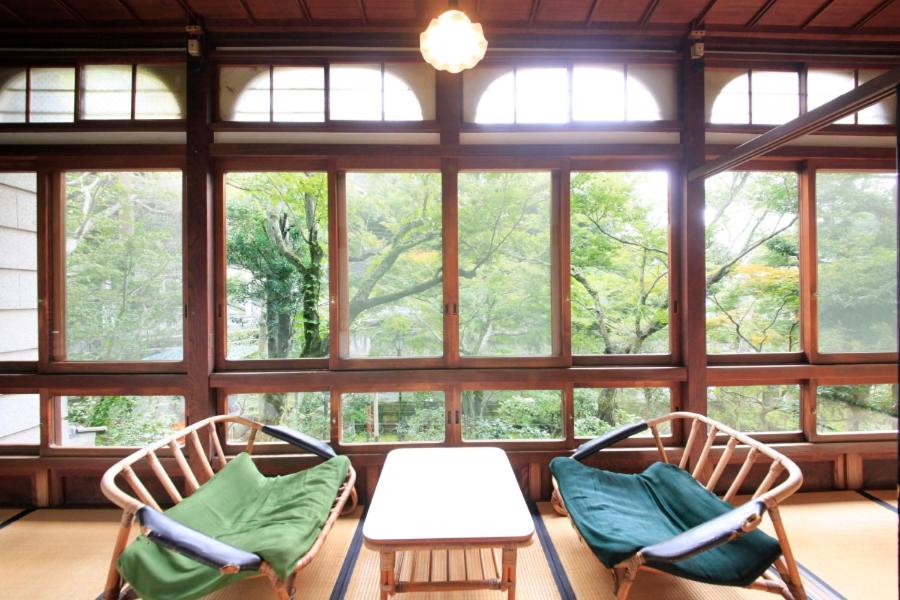
The Bansuirō Wing dates from 1878. Room 25 contains four connected tatami rooms covering around 30 tatami mats, along with a wide veranda overlooking seasonal trees and the river. Your breakfast and dinner take place in a dedicated private dining room when you book this room. Room 35 sits on the third floor and combines ten-tatami and eight-tatami rooms in a bright, spacious layout. Neither room has a private bath, so you use the shared indoor and open-air hot spring baths.
Room 15 is one of the property’s most important historic spaces. It has four connected rooms, original handwritten scrolls, and 48 painted ceiling panels created by artists from the Edo and Meiji periods. To protect its cultural value, Room 15 is currently not available for overnight stays.
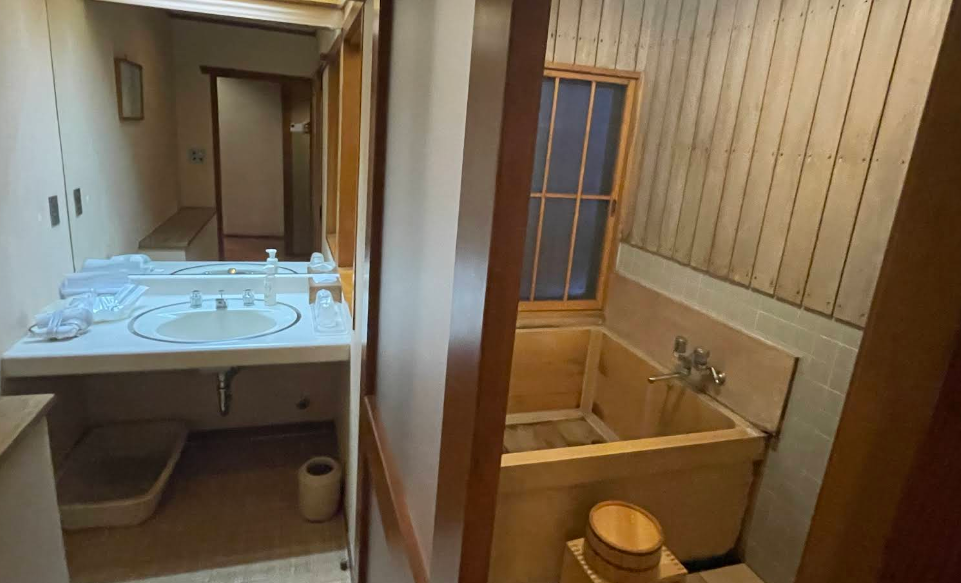
The Kinsenrō Wing dates from 1877 and includes indoor cypress baths supplied with hot spring water. Rooms 10 and 20 combine two eight-tatami rooms with a veranda and a larger private cypress bath. Room 30 has ten-tatami and eight-tatami rooms, with an unusual private staircase leading from its second-floor entrance to the third-floor accommodation.
Room 12 combines eight-tatami and 7.5-tatami rooms with a veranda. Room 22 gives you three connected rooms measuring eight, six, and 5.5 tatami mats, along with views of the river and surrounding trees. These rooms work well when you value extra living space and the freedom to bathe privately.
In the Shōwa Wing, Kaede, Matsu, and Sakura each offer a ten-tatami room, a wide veranda, river views, and a cypress bath supplied with onsen water. Katsura has two eight-tatami rooms divided through the centre, giving you separate spaces for relaxing and sleeping. Hana combines ten-tatami and six-tatami rooms with a veranda and a private cypress bath.
Your room includes a washbasin, toilet with bidet functions, television, refrigerator, safe, tea set, yukata, towels, and toiletries. All rooms are non-smoking. Because the rooms preserve traditional layouts and historic features, your experience centres more on craftsmanship, space, and atmosphere than on standardised hotel design.
Dining
Your meals focus on handmade Japanese cooking and ingredients selected for the season. Dinner brings several carefully prepared courses to a traditional kaiseki tray, allowing you to enjoy changes in flavour, texture, temperature, and presentation throughout the meal. The exact dishes change as new produce becomes available.
Bansuirō Fukuzumi serves dinner and breakfast either in your room or in a private dining room. The location depends on your room category, the size of your group, and the arrangements for that day. You can eat without sharing a large restaurant with other tables.
Dinner begins at one of two evening sittings. Breakfast follows at a choice of morning times and continues the traditional Japanese style with rice, soup, cooked dishes, and smaller accompaniments. The measured pace gives you time to enjoy the food before returning to your room or beginning a day in Hakone.
Dining here adds to the ryokan’s historic character. Seasonal dishes, Japanese tableware, tatami rooms, and private service bring the meal into the wider experience rather than treating it as a separate hotel restaurant visit.
Onsen and Wellness
Bansuirō Fukuzumi manages its own naturally flowing source, Yumoto Onsen Source No. 3. The spring was developed during the Meiji period through a horizontal tunnel, and the water rises naturally from a point around 20 metres inside. Even when the flow is lower, the source produces more than 100 litres each minute.
The clear water is classified as an alkaline simple hot spring. Its balanced mineral content and gentle texture have inspired the description “water that feels like being wrapped in soft silk.” Traditional bathing indications include tired muscles, joint discomfort, sensitivity to cold, fatigue, bruising, and recovery after illness.
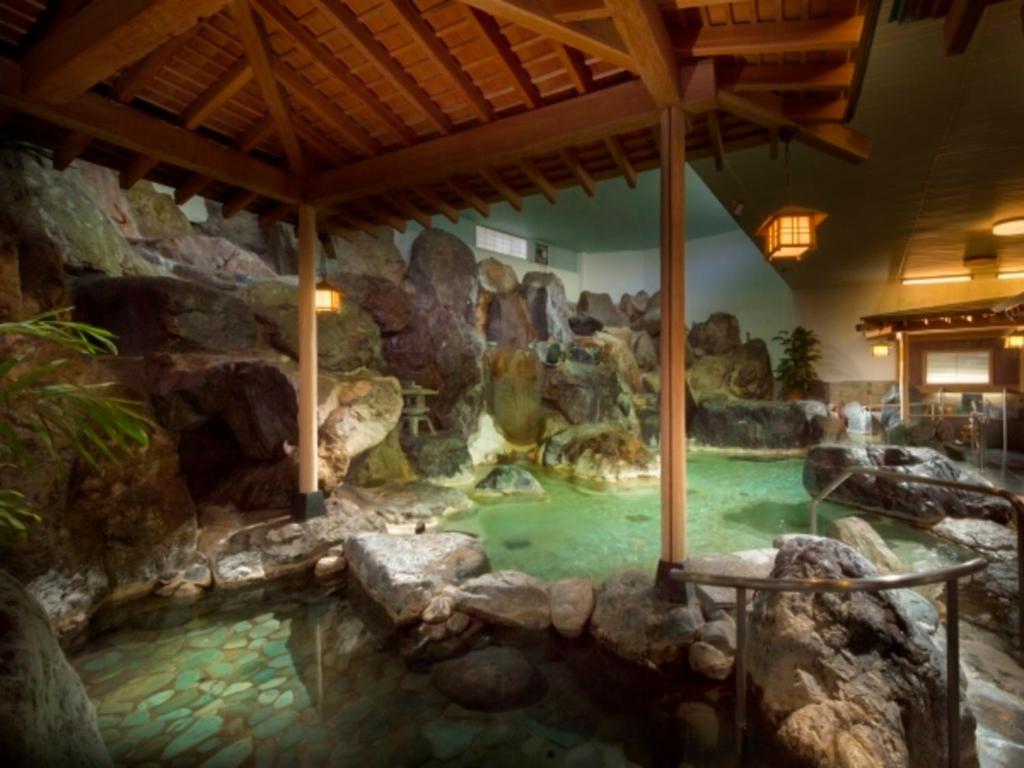
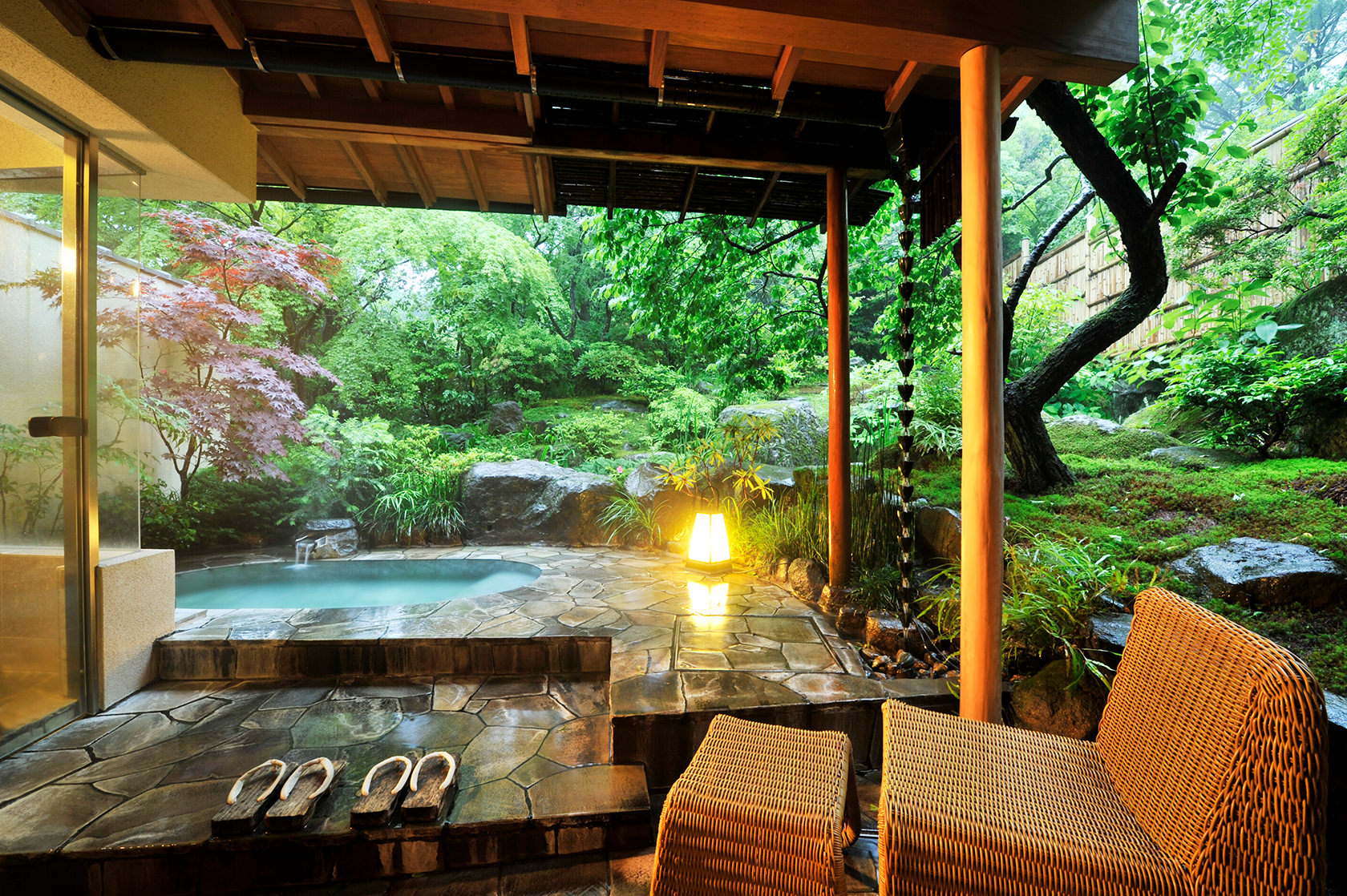
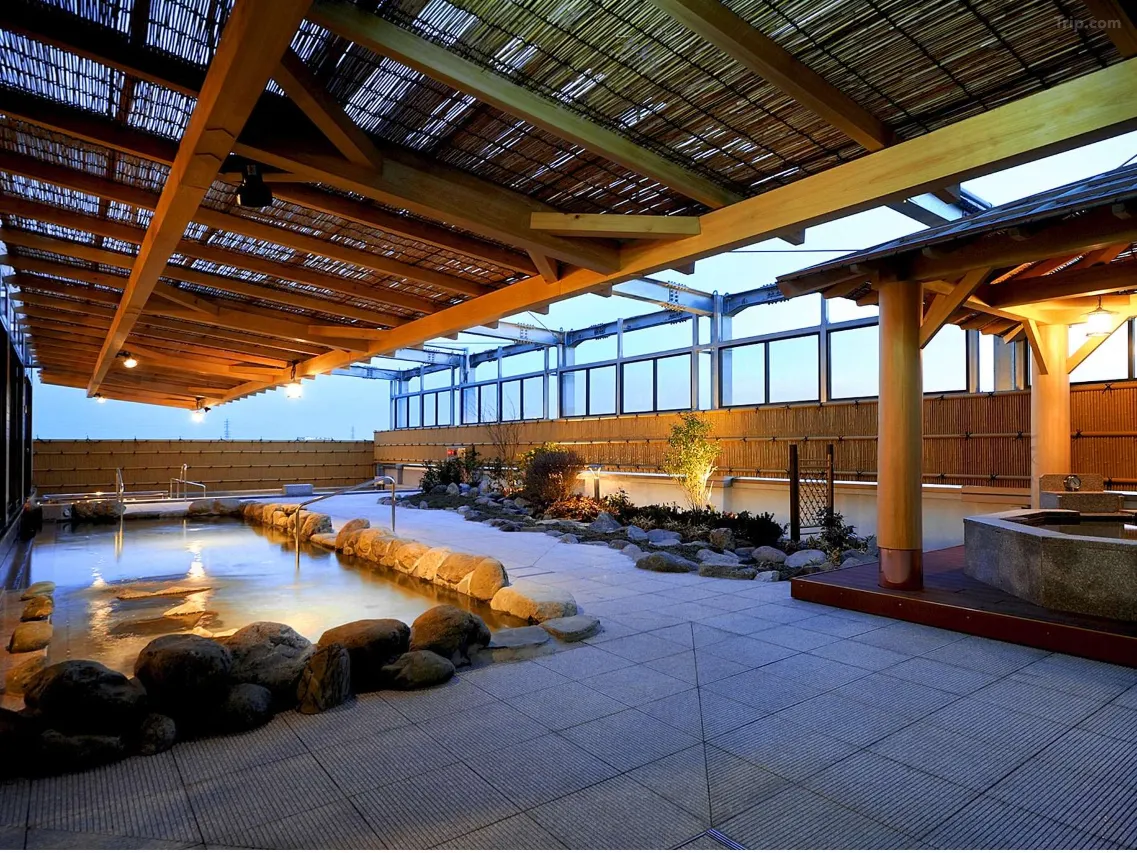
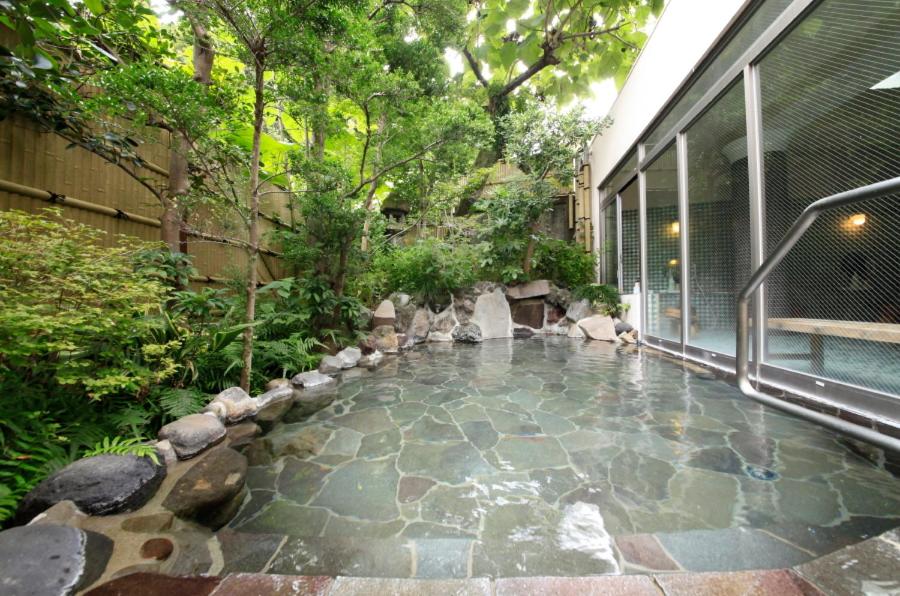
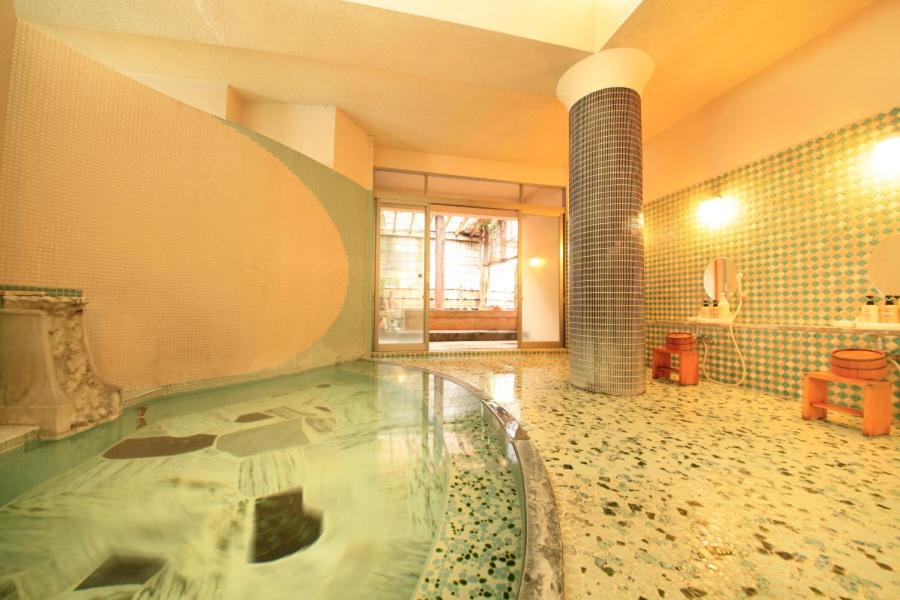
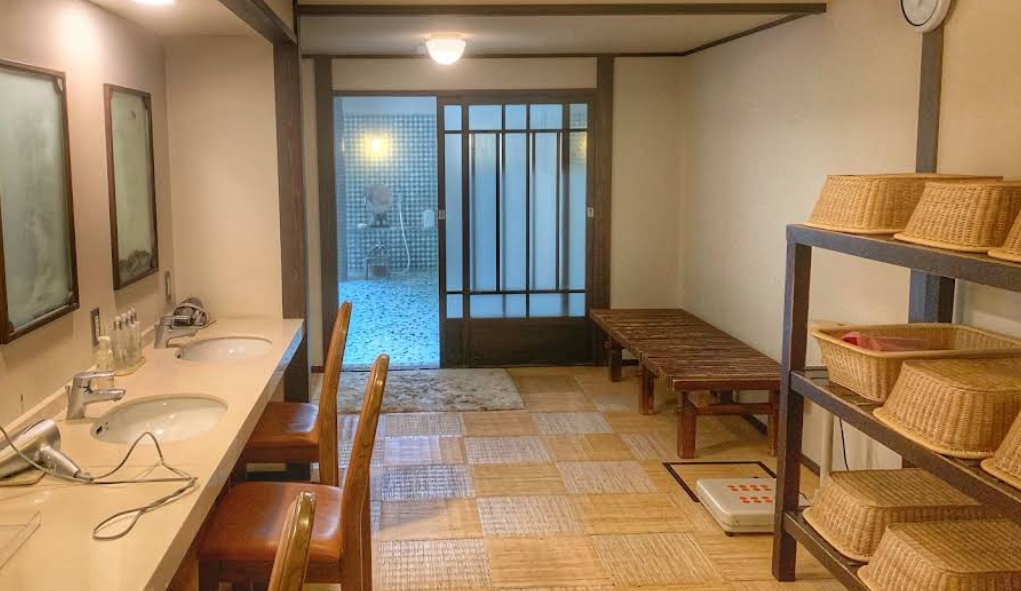
The two shared bathing areas are Ichien-no-Yu and Ogi-no-Yu. Each one has an indoor bath and an open-air bath, and both use free-flowing water from the source. Ichien-no-Yu takes its name from the Hōtoku philosophy associated with Ninomiya Sontoku and includes a renewed outdoor rock bath. Ogi-no-Yu has a fan-shaped indoor tub and its own open-air bathing area.
Men and women change bathing areas during the evening and again in the morning, allowing you to experience both designs during an overnight stay. The baths remain available from the afternoon until the following morning, apart from short closures during the changes and daily cleaning.
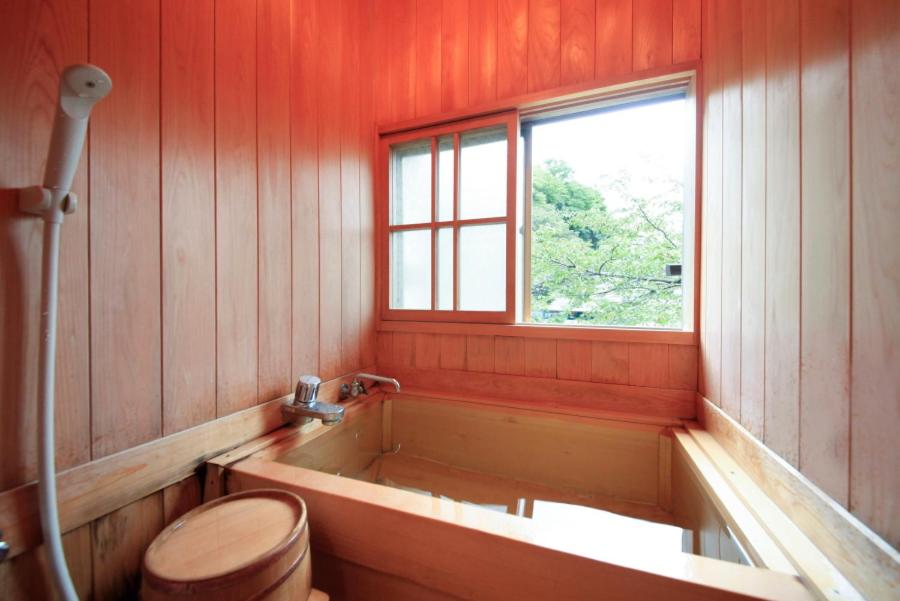
The baths inside Kinsenrō and Shōwa Wing rooms also use water from the same source. These room baths do not operate as continuously flowing baths; you fill the cypress tub with hot spring water from the tap when you wish to soak. This gives you privacy and lets you control the timing and temperature.
There is no separate bookable private bathing room. For a private onsen experience, you need to select accommodation in Kinsenrō or the Shōwa Wing with an in-room cypress bath.
Guests with Tattoos
You cannot use the shared indoor or open-air hot spring baths if you have tattoos. You can use the hot spring bath inside your room when you book accommodation with a private cypress bath.
Choose a room in the Kinsenrō or Shōwa Wing when you need private bathing. Rooms 25 and 35 in the Bansuirō Wing do not include an in-room bath.
Facilities
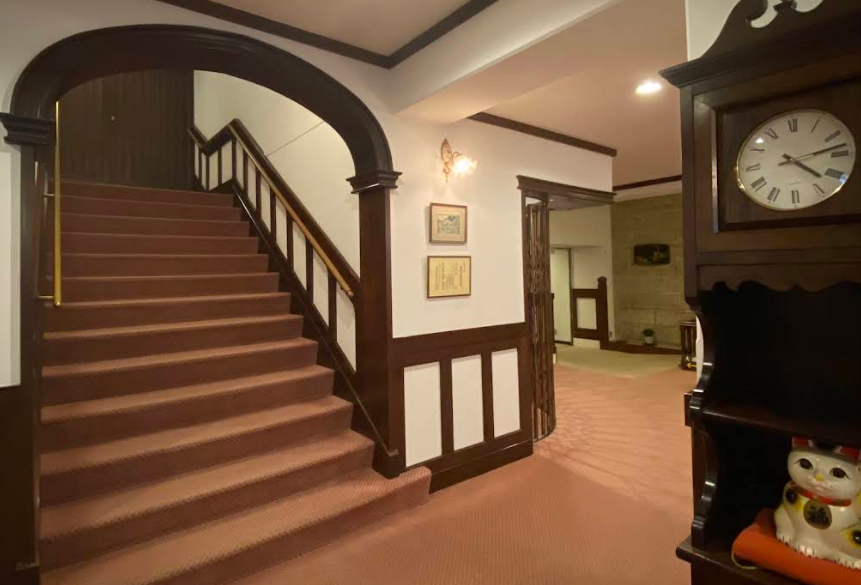
Bansuirō Fukuzumi provides a ground-floor lobby, a reading corner with books and Hakone sightseeing information, a lobby Wi-Fi area, private dining rooms, shared indoor and open-air baths, and a riverside garden in front of the Bansuirō and Kinsenrō buildings. The garden brings seasonal colour to the property, with maple leaves creating a particularly striking scene in autumn.
Parking is available when you arrive by car. All rooms remain non-smoking, with smoking limited to designated spaces. As this is a historic property with rooms spread across older multi-storey buildings, some accommodation requires stairs and may not suit you when you have limited mobility.
Activities
The architecture gives you plenty to discover without leaving the property. You can look for changes in the shoji patterns, natural wooden pillars, decorative transoms, hidden storage details, and the mixture of Japanese and Western design that made the Meiji buildings historically important.
Outside, you can walk beside the Hayakawa River or explore the streets around Hakone-Yumoto Station. The town offers local confectionery, kamaboko fish cakes, yosegi woodcraft, cafés, restaurants, and small shops selling products from Hakone and nearby Odawara.
Hakone-Yumoto Station gives you access to the Hakone Tozan Railway and buses travelling towards Miyanoshita, the Hakone Open-Air Museum, Gora, Owakudani, Lake Ashi, and Hakone Shrine. After sightseeing, you can return on foot, change into your yukata, and enjoy another soak before dinner.
You may also choose to spend most of your stay inside. A private meal, time beside the river, several visits to the hot spring, and an evening in your tatami room create a complete ryokan experience without a full sightseeing schedule.
Additional Features
Check-in begins at 3:00 p.m., and check-out is by 11:00 a.m. Hakone-Yumoto Station is around seven to eight minutes away on foot. The ryokan does not currently provide a station shuttle, so walking or taking a local taxi provides the simplest route when you have heavy luggage.
Bansuirō Fukuzumi suits you when you value original Japanese architecture, intimate dining, tatami accommodation, and natural hot spring water from a privately managed source. By choosing between a room in the National Important Cultural Property wing and one with a private cypress bath, you can shape your stay around either the deepest connection to the building’s history or greater bathing privacy.