Overview
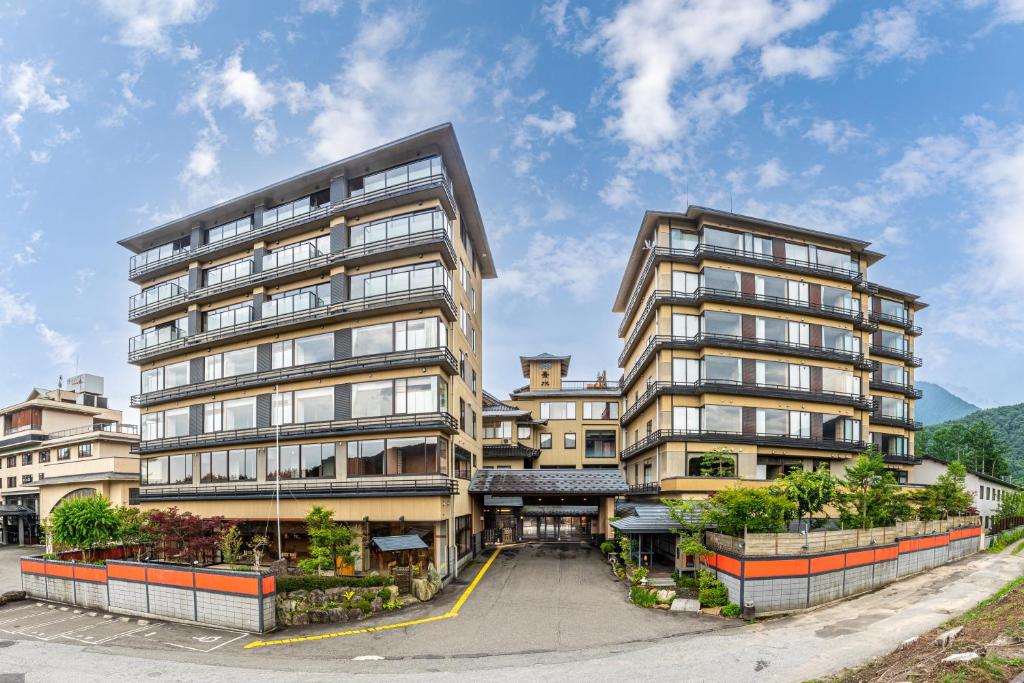
Stay at Ryokusuitei Keisui in Omachi Onsen-kyo, at the foot of the Northern Alps. The Kashima River, mountain forests, and clear water flowing from the surrounding peaks shape the experience, giving you a relaxing place to return to after exploring northern Nagano.
Keisui sits close to the Nagano entrance of the Tateyama Kurobe Alpine Route. Ogizawa Station is around 15 to 20 minutes away by car, making the ryokan a convenient choice for visiting Kurobe Dam, the spring snow walls, Murodo, and the high mountain landscapes between Nagano and Toyama.
Water plays an important role throughout your stay. The hot spring comes from historic Kuzu Onsen in the Takase Valley, while the building uses soft underground water created by snowmelt from the Northern Alps. You can enjoy this clear water in your room, in the cooking, and as drinking water throughout the property.
Accommodation
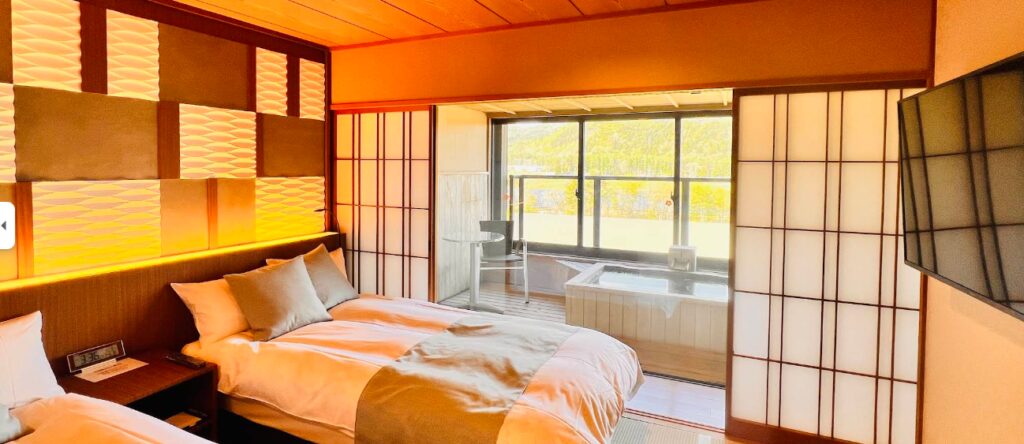
Choose from Japanese rooms, Western rooms, Japanese-Western rooms, larger suites, and selected rooms with private open-air baths. The accommodation is divided between the Midori and Akane wings, with views towards the Kashima River, surrounding forests, and Northern Alps available from selected rooms.
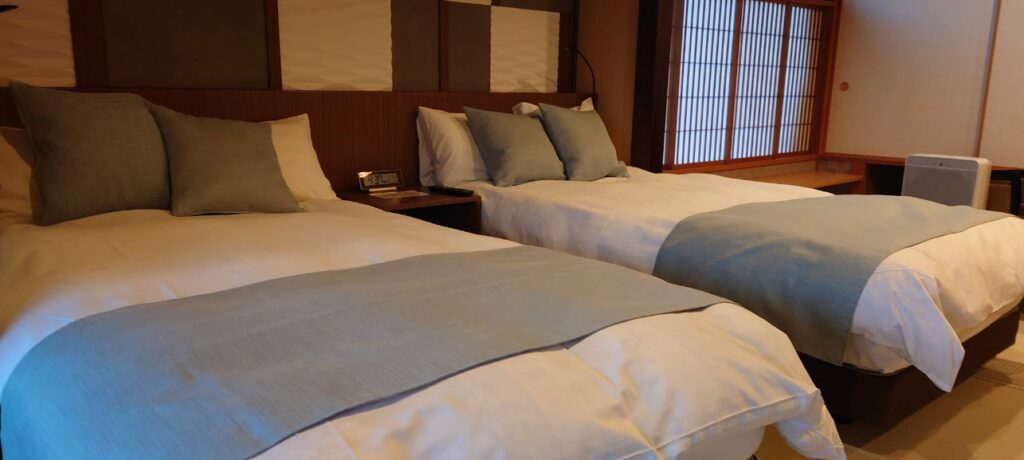
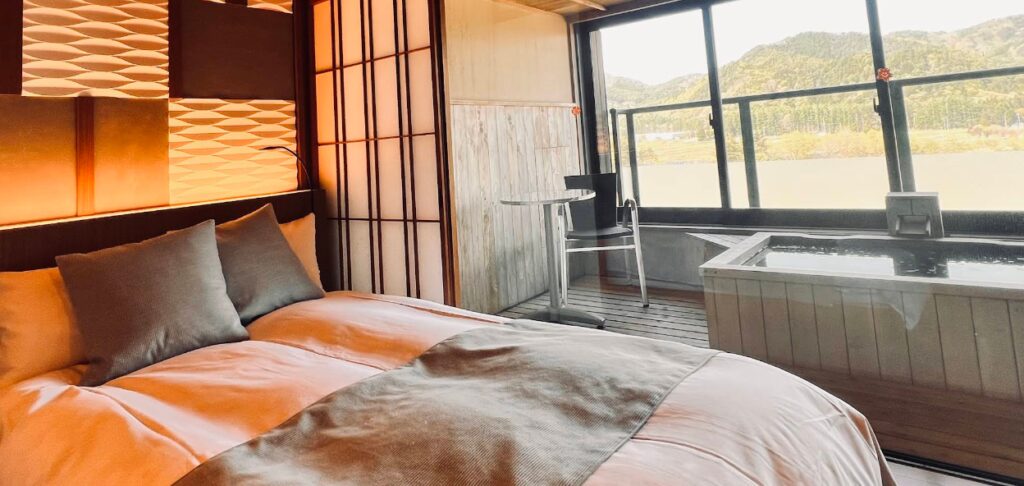
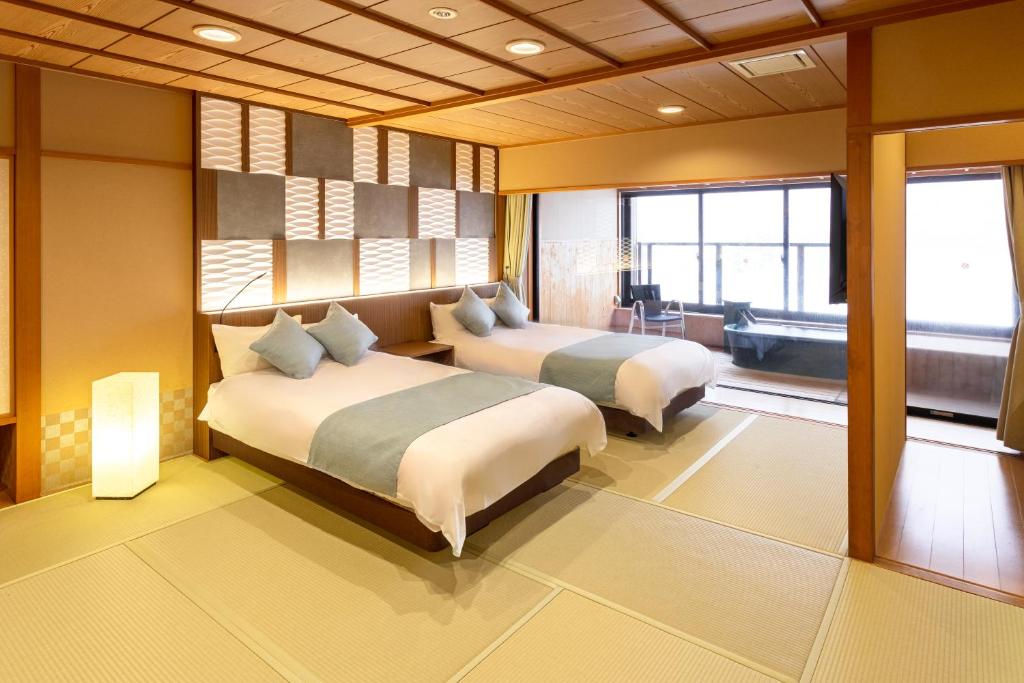
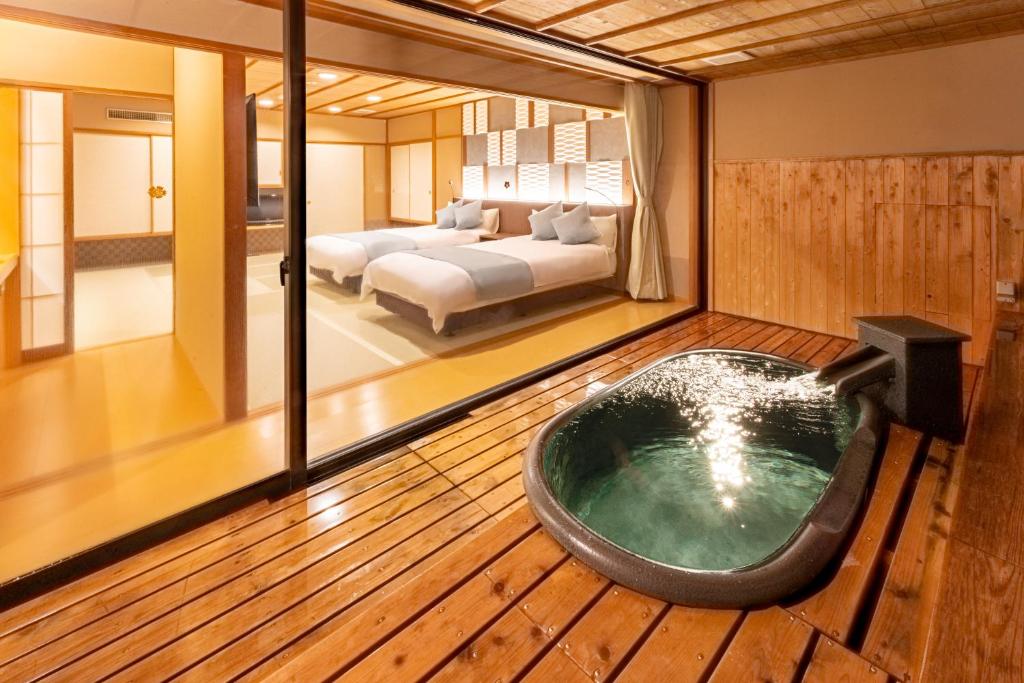
The Japanese-Western Room with Open-Air Bath sits on the sixth or seventh floor and offers around 60 square metres of space. Beds and a Japanese sitting area give you separate places to sleep and relax, while the elevated position opens towards the Kashima River and mountain scenery.
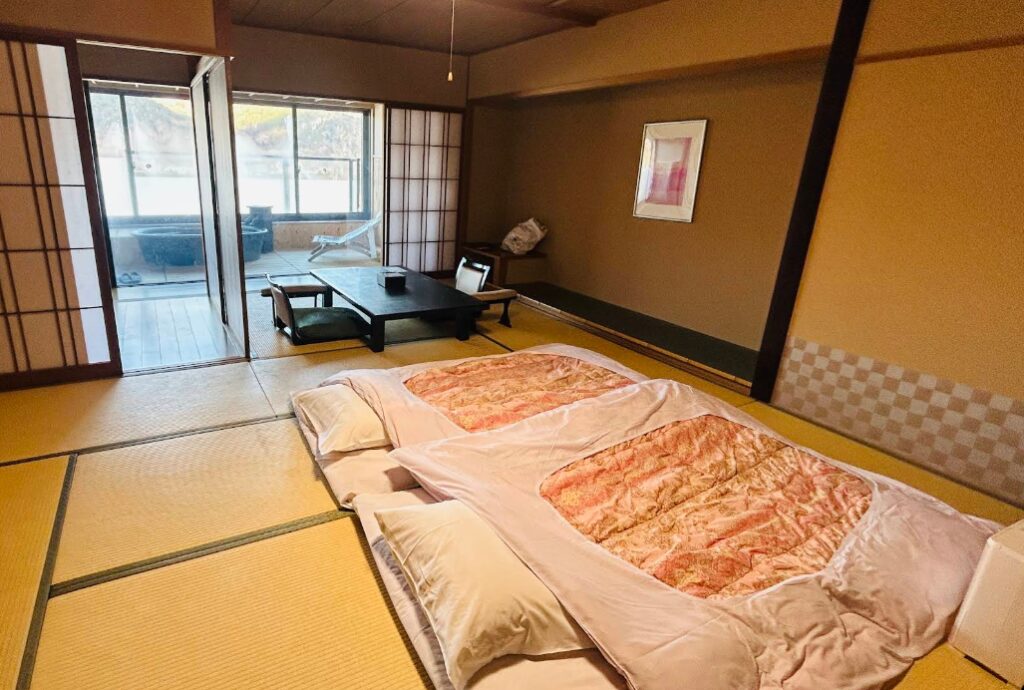
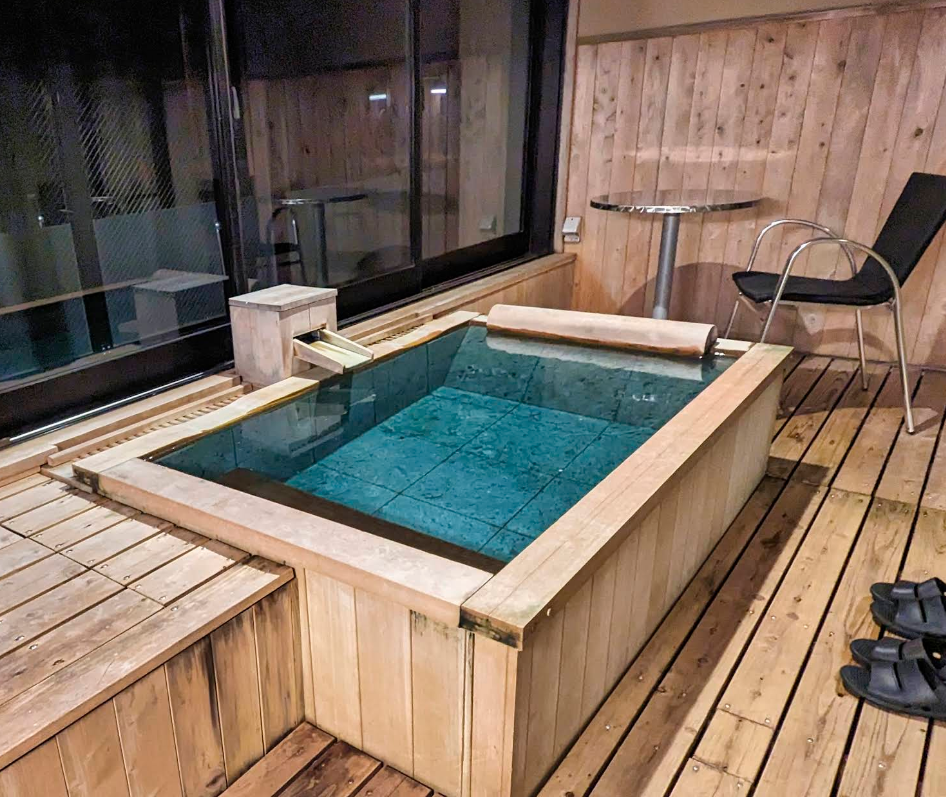
The fifth-floor Japanese Room with Open-Air Bath includes a 13-tatami main room and a private semi-open-air bathing space on the wooden terrace. You can listen to the river and enjoy the outside air without leaving your room.
The private open-air baths inside these room categories use heated underground water created by snowmelt from the Northern Alps. They do not use natural hot spring water.
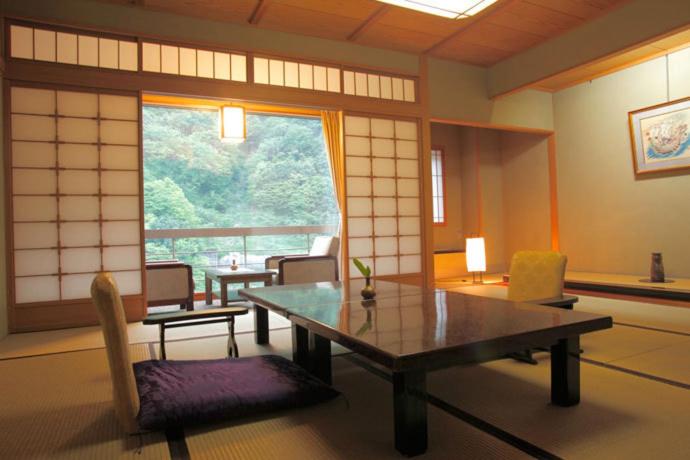
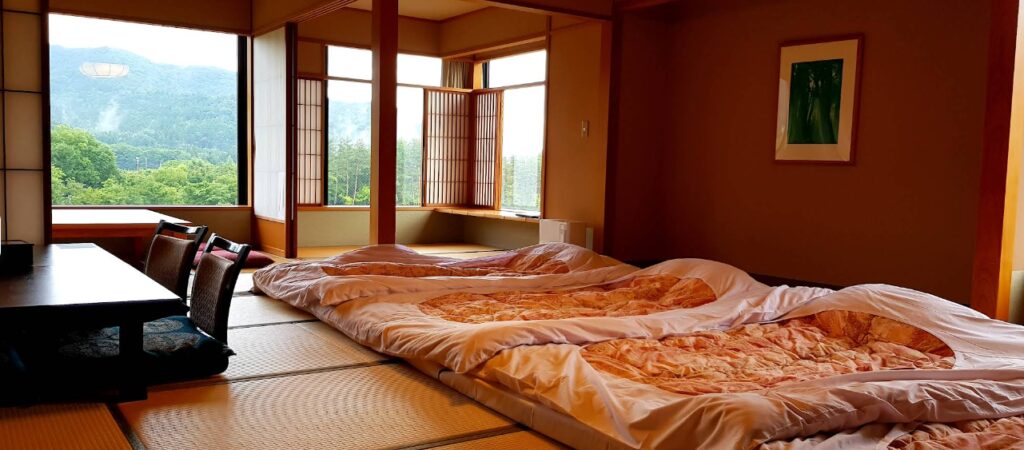
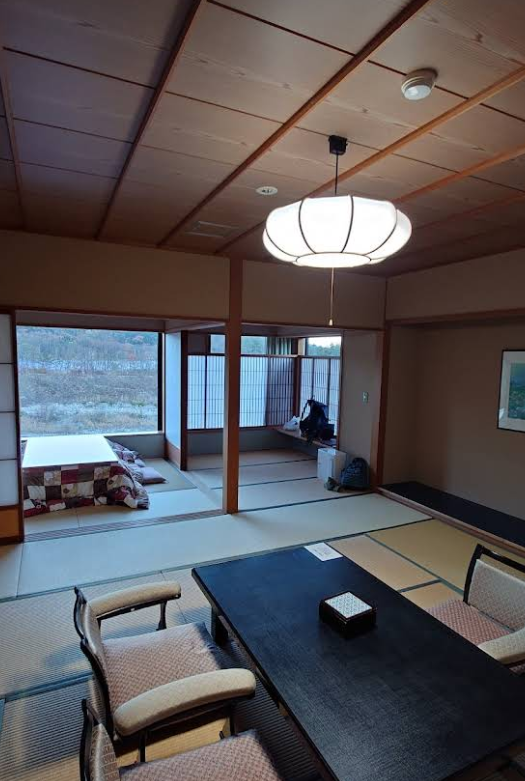
For a traditional layout, choose the Room with Hori-Gotatsu. This spacious category combines a 12.5-tatami main room, a smaller adjoining tatami room, and a sunken seating area where you can sit comfortably with your legs below floor level.
The Japanese Suite sits on the top floor of the Akane wing and combines ten-, six-, and three-tatami spaces with a wide enclosed veranda. Only two rooms follow this layout, giving you an expansive setting for time with family or friends.
Rooms with an adjoining space combine a ten-tatami main room with a separate six-tatami room and an enclosed veranda. Standard Japanese Rooms provide 12 tatami mats and futon bedding, while Superior Twin, Western Twin, Superior Single, and Western Single Rooms offer beds and more compact layouts.
Every room is non-smoking and includes free Wi-Fi, a television, refrigerator, safe, kettle, private bathroom, toilet, washbasin, and hair dryer. Towels, yukata, haori jackets, tabi socks, slippers, toothbrushes, shampoo, conditioner, body soap, hand soap, and skin-care items are also provided.
Dining
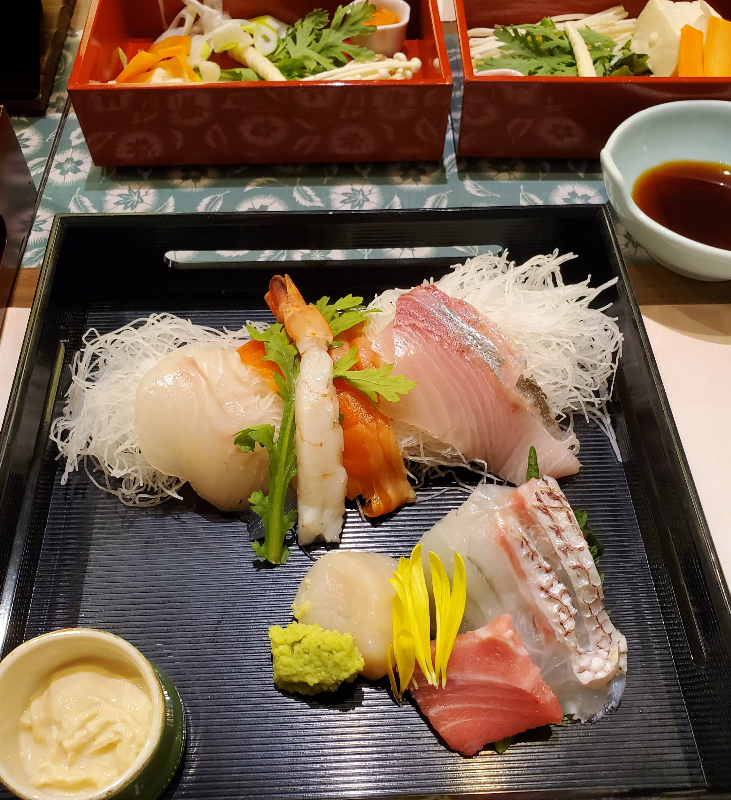
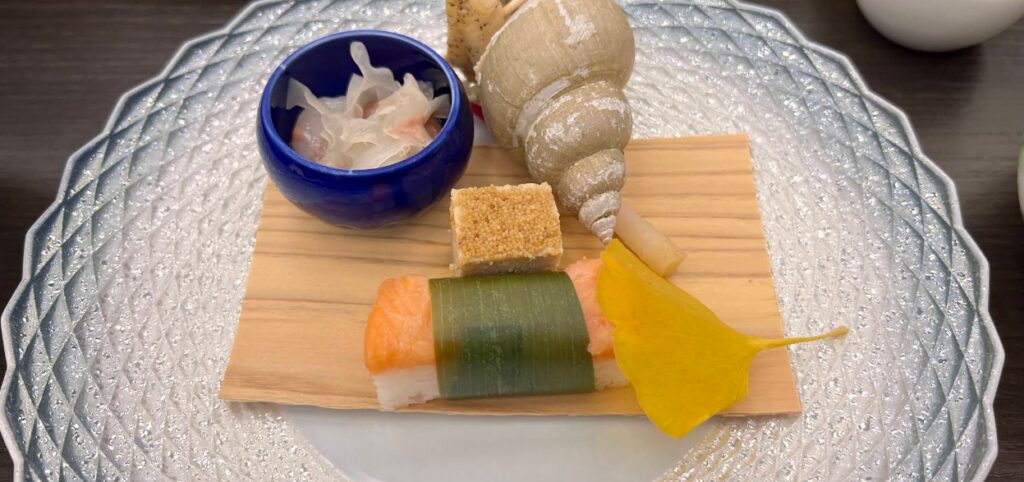
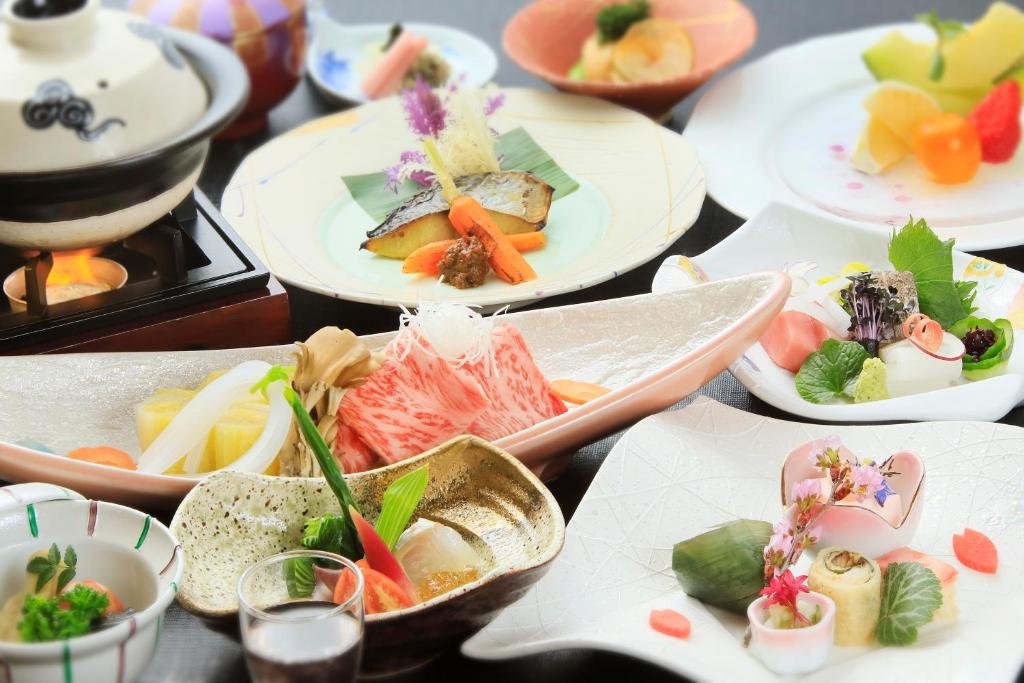
Dinner celebrates the produce of Shinshu through a seasonal Japanese kaiseki course. The menu changes throughout the year, bringing together regional vegetables, mushrooms, river fish, local rice, and carefully selected meat.
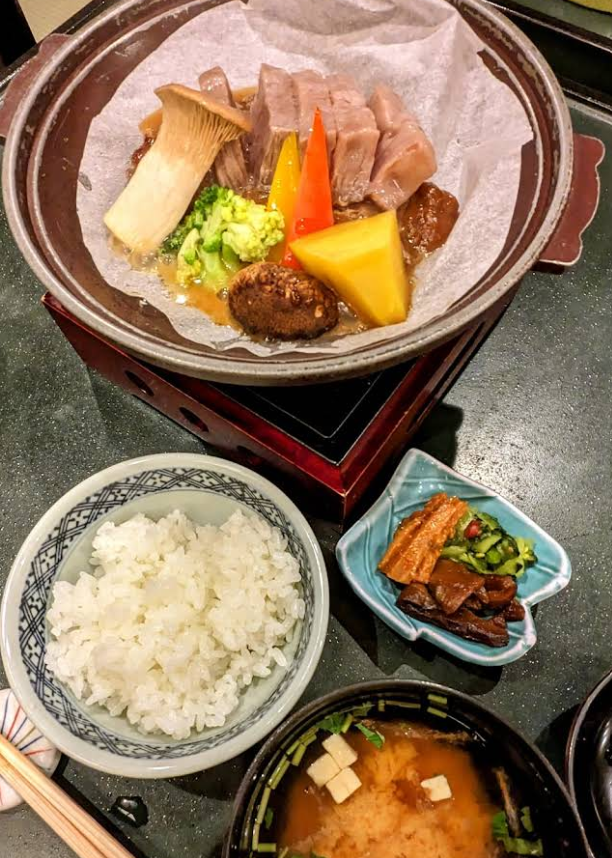
Shinshu Premium Beef and domestic Japanese beef feature in selected courses, including shabu-shabu dishes that let you cook thin slices briefly in hot broth. Seasonal kamameshi combines rice with colourful ingredients and arrives in its own small pot.
Mushrooms are an important part of Nagano’s food culture. Enoki, maitake, shimeji, shiitake, and king oyster mushrooms may appear in simple dishes that bring out their natural flavour. River fish also reflects the cooking traditions of this mountain region.
Rice grown locally is cooked with clear underground water from the Northern Alps. The same soft water is used to prepare stock, wash vegetables, simmer fish, and support the clean flavours of each course.
Breakfast is a balanced Japanese meal made up of rice and several carefully arranged dishes. Dinner begins at 18:00, 18:30, or 19:00, while breakfast begins at 7:00, 7:30, or 8:00. Your dining time is arranged at check-in.
Meals are served in the restaurant or one of the dining rooms rather than inside your accommodation. Yukatei provides private dining spaces with sunken seating or tables, while Koga offers a larger restaurant setting.
Onsen and Wellness
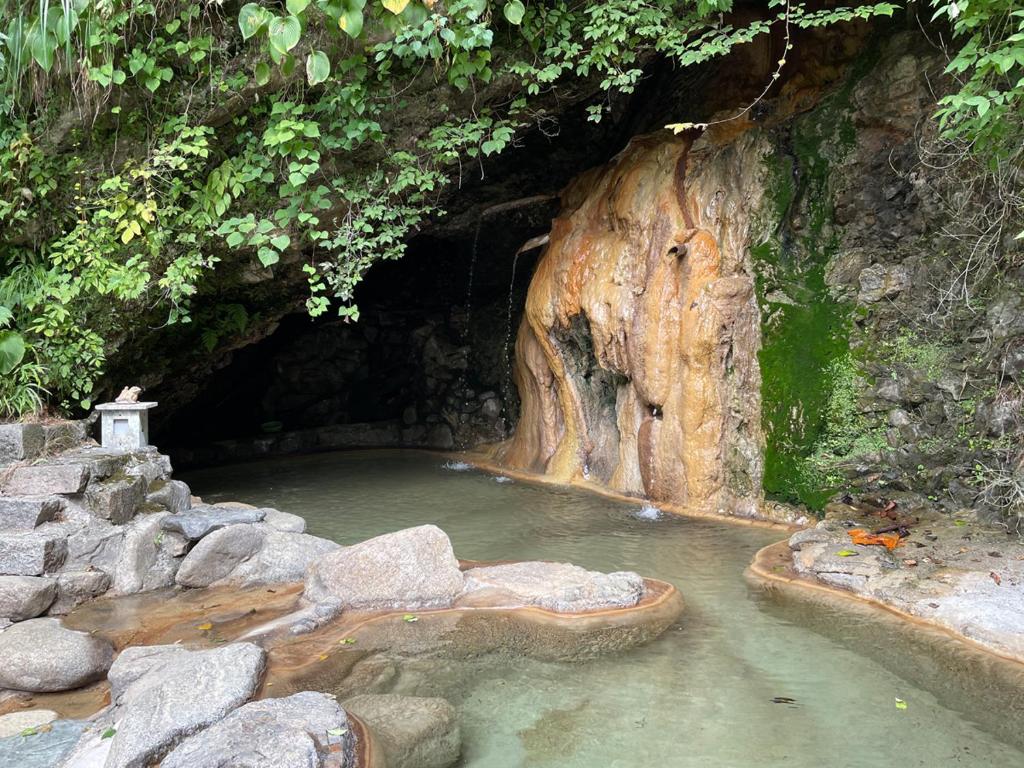
Keisui receives natural hot spring water from Kuzu Onsen in the Takase Valley. The source has a history of around 400 years and was extended to Omachi Onsen-kyo in 1963.
The water is classified as a simple hot spring with weakly alkaline, hypotonic, and high-temperature qualities. Its gentle feel makes it easy to enjoy a longer soak after sightseeing, hiking, skiing, or travelling through the Alpine Route.
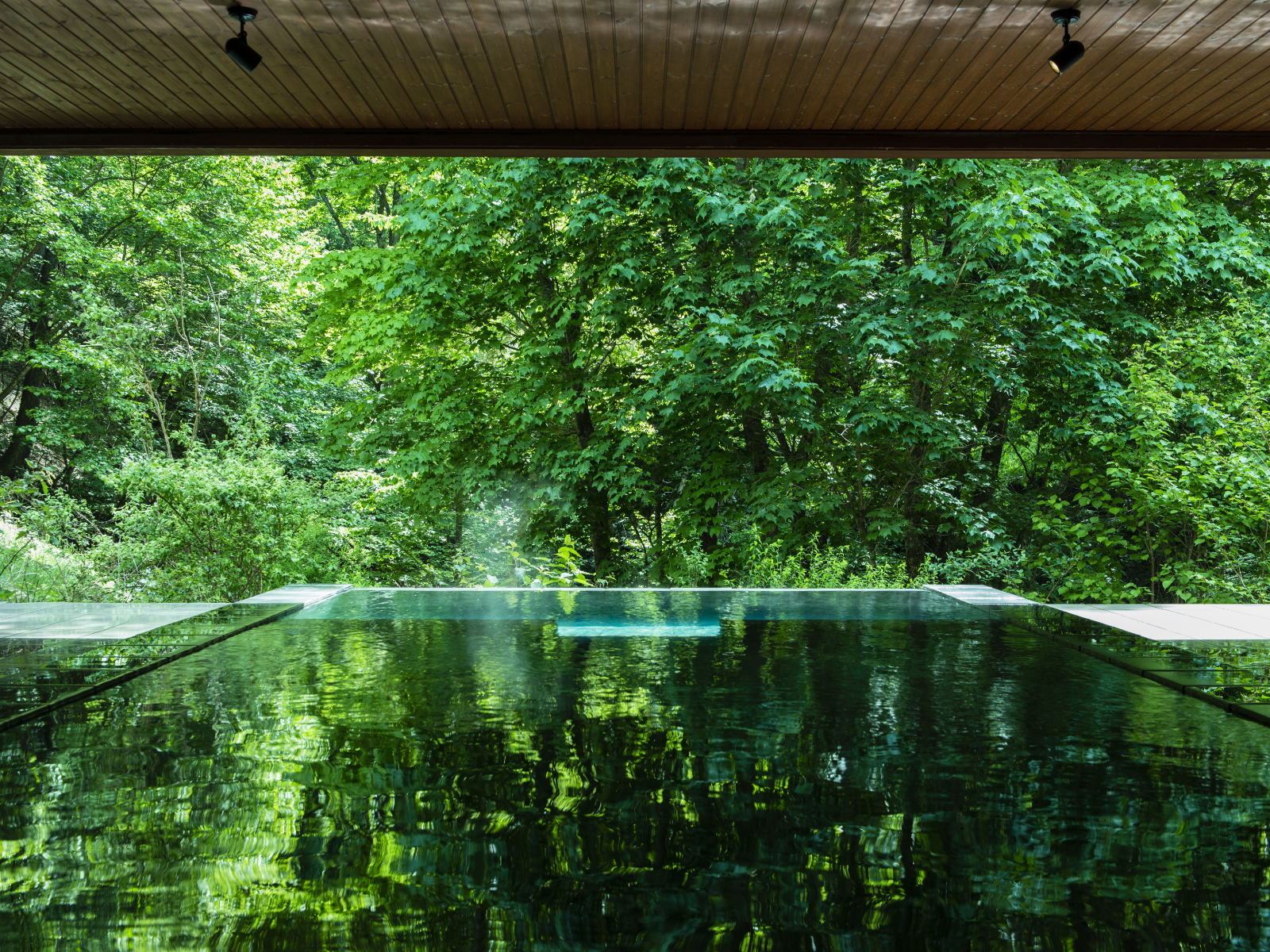
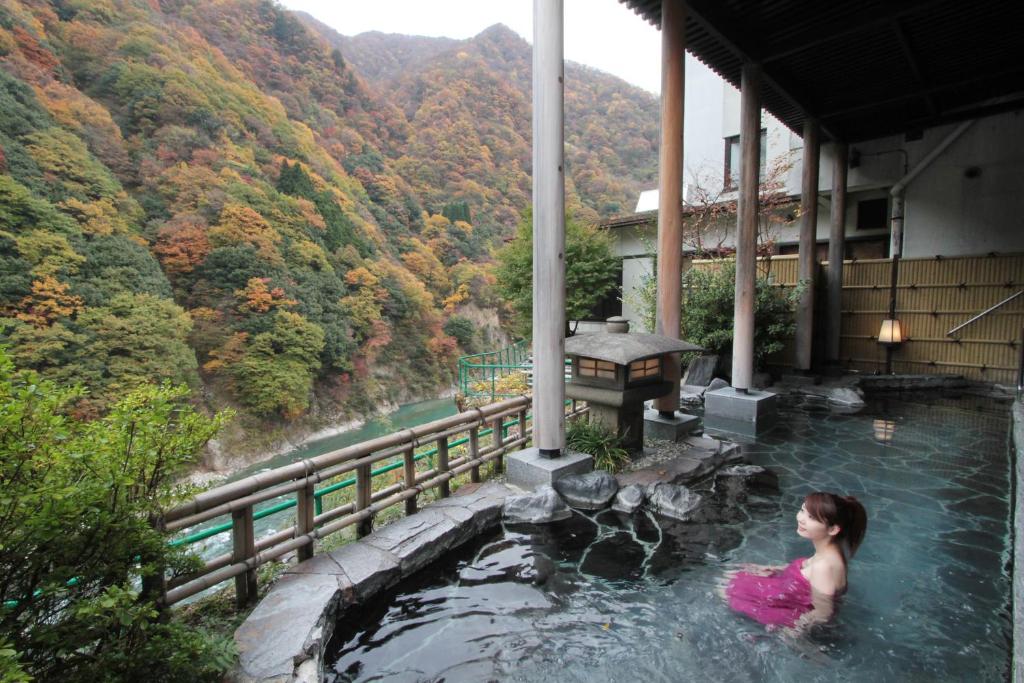
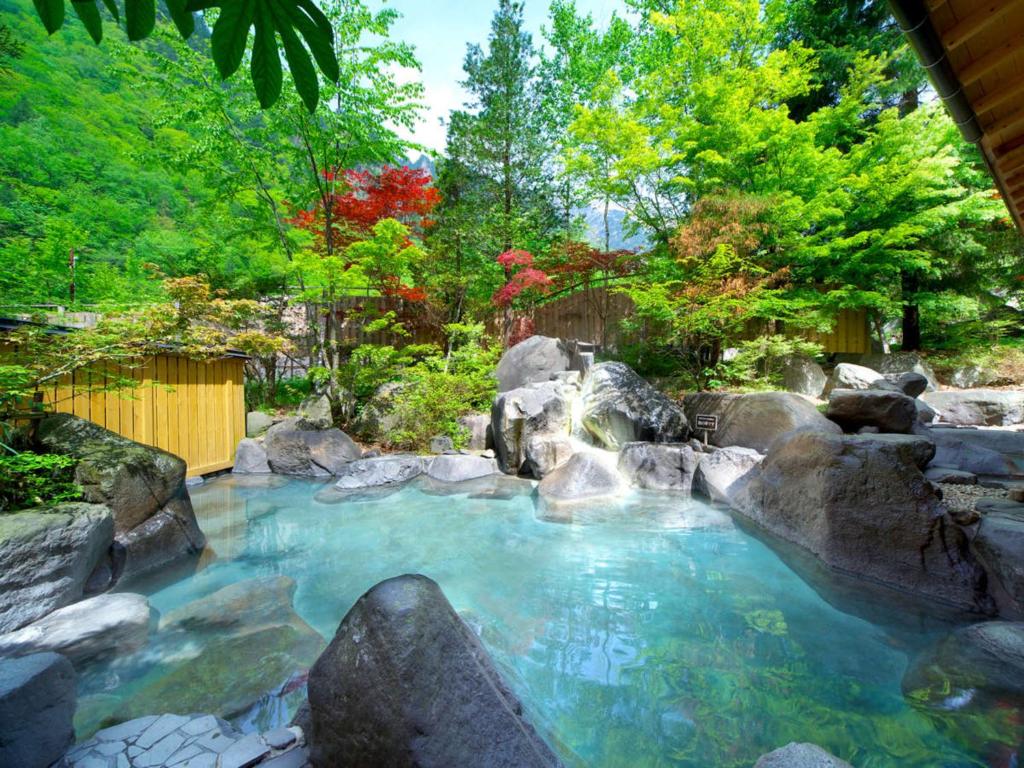
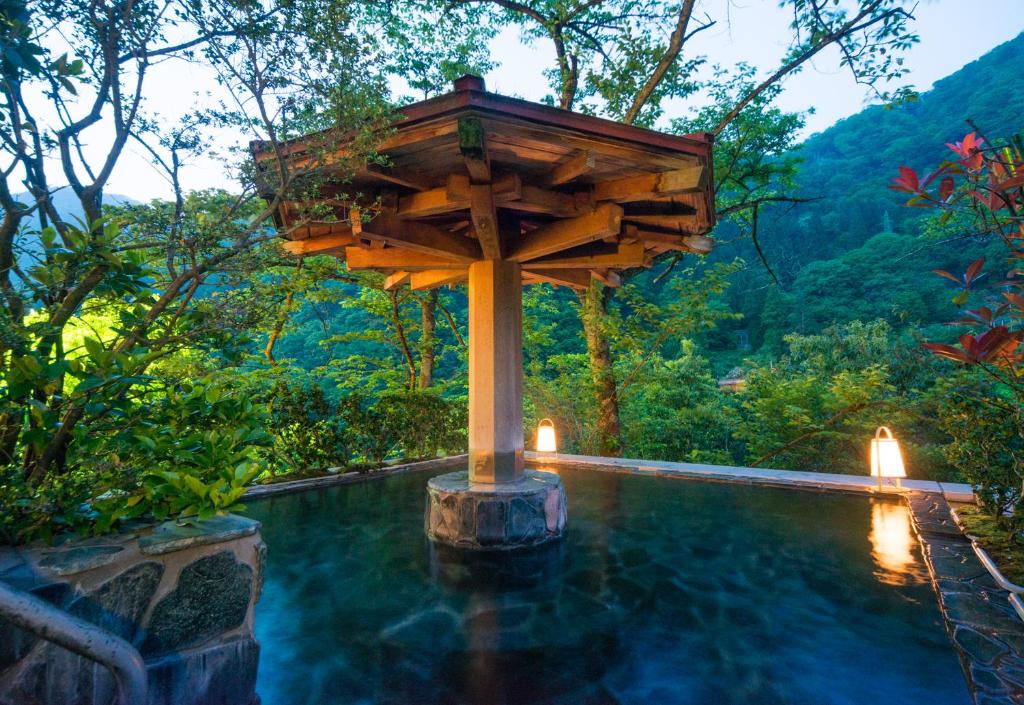
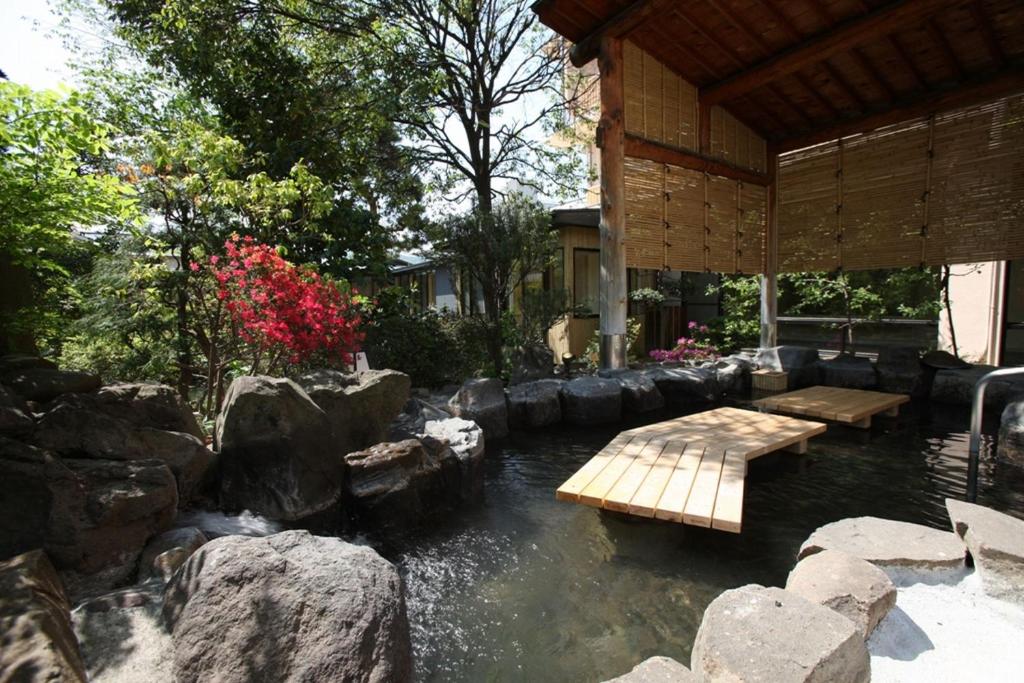
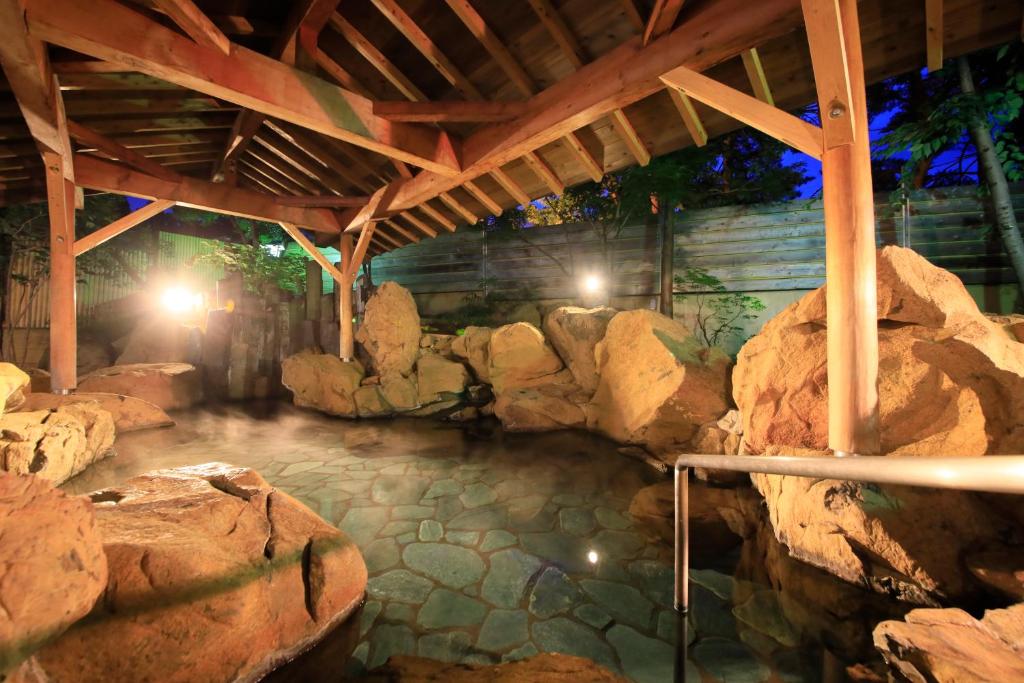
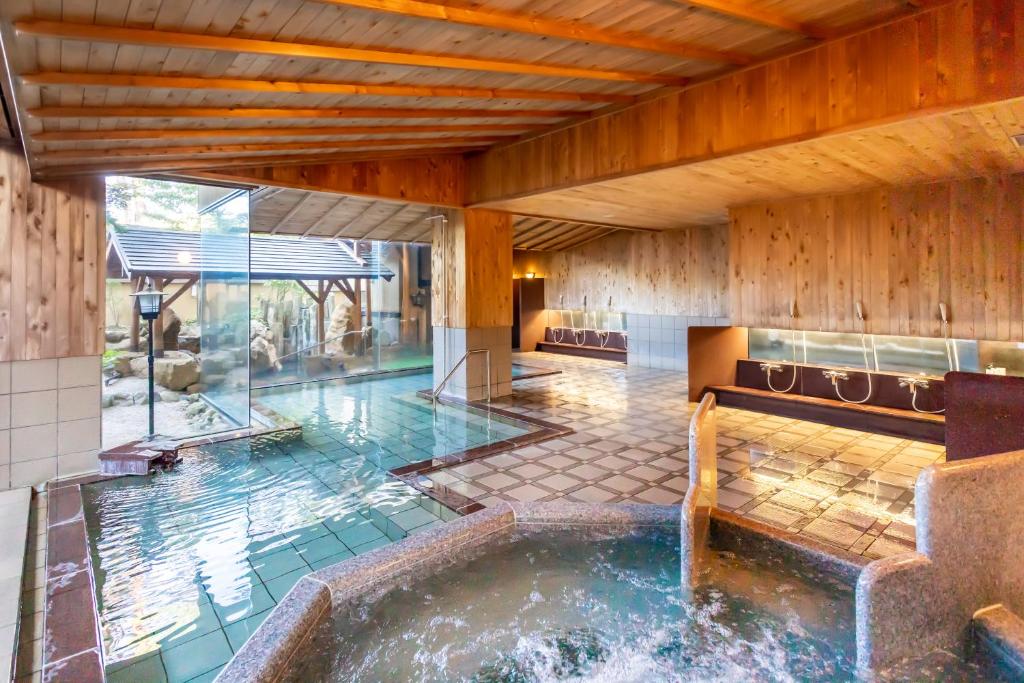
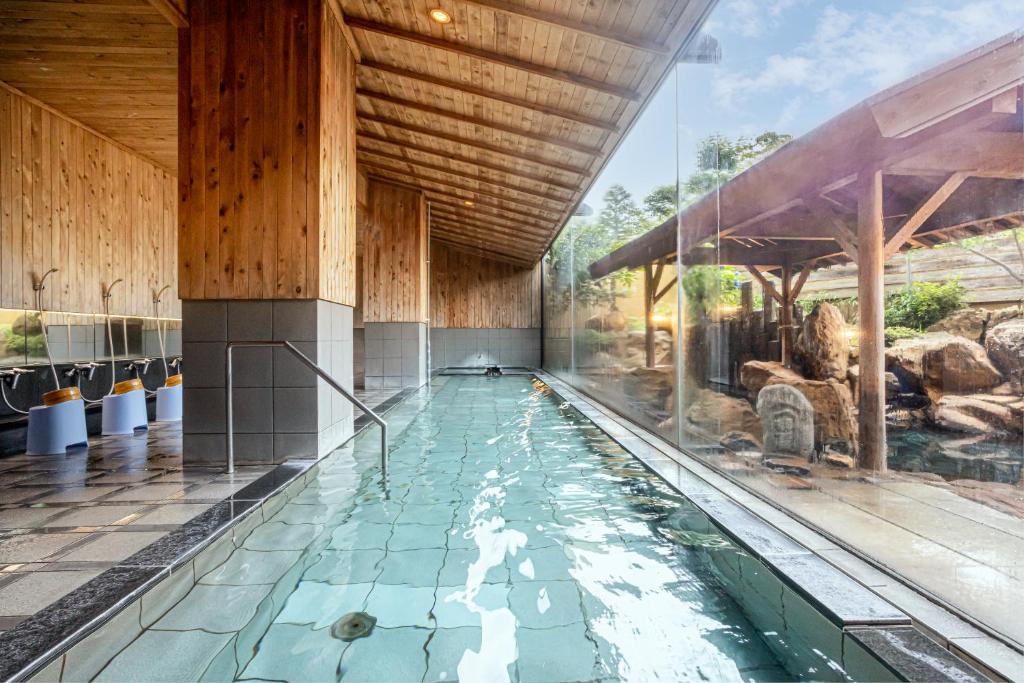
The men’s bathing area includes Takase no Yu, a spacious indoor garden bath inspired by the meeting of the Kago, Kashima, and Takase rivers. Its open-air bath, Sansui, faces seasonal greenery and the natural landscape around Omachi.
The women’s bathing area includes Kiyoto no Yu, named after a local waterfall connected with a poem by Matsuo Basho. The adjoining Yamabuki open-air bath brings together flowing water, fresh air, and changing forest scenery.
The shared indoor and open-air baths are available from 15:00 to midnight and from 5:30 to 9:30. The water is slightly diluted to control its naturally high temperature. It is also circulated, filtered, and disinfected with chlorine for hygiene.
The spring is traditionally associated with easing fatigue, muscle and joint discomfort, nerve discomfort, stiffness, sensitivity to cold, and tiredness after physical activity.
For a private hot spring experience, reserve Hoshi no Yu or Tsuki no Yu. These two semi-open-air baths give you one hour to soak without sharing the space. Advance reservations are required.
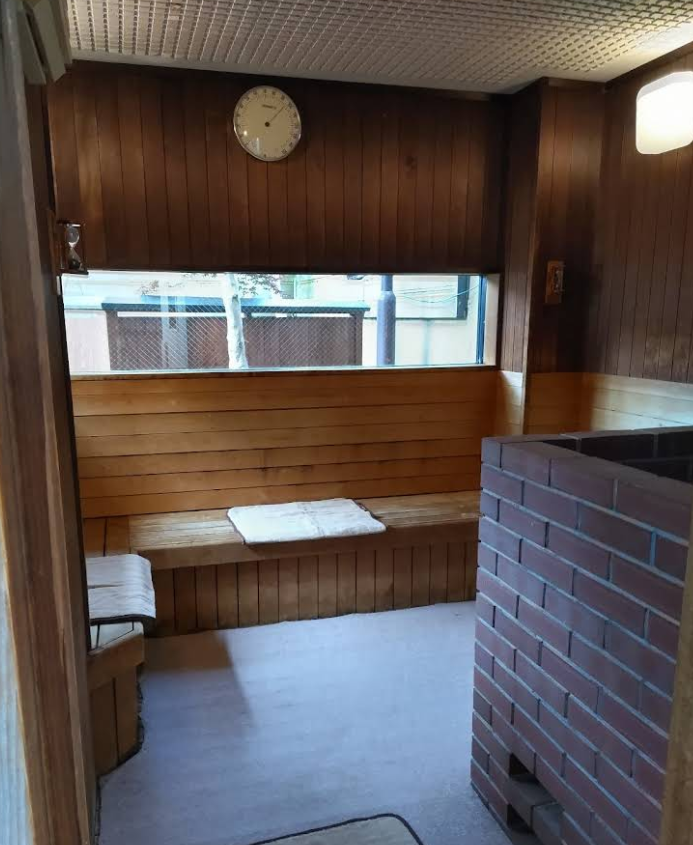
A sauna is attached to the large bathing area and operates from 15:00 to 22:00. You can also rest your feet in Rakuza no Yu beside the lounge while enjoying a drink. The footbath closes from early December until late April.
Guests with Tattoos
You cannot use the shared indoor baths, open-air baths, or sauna if you have tattoos.
You can enjoy the natural spring water privately by reserving Hoshi no Yu or Tsuki no Yu. You can also choose a room with its own open-air bath, although the in-room bath uses heated Northern Alps underground water rather than natural hot spring water.
Facilities
Keisui includes the Koga restaurant, private dining spaces at Yukatei, the traditional Nonohana Yashiki dining hall, banquet rooms, a large convention hall, karaoke facilities, a lounge, a late-evening noodle restaurant, a bar, and a souvenir shop.
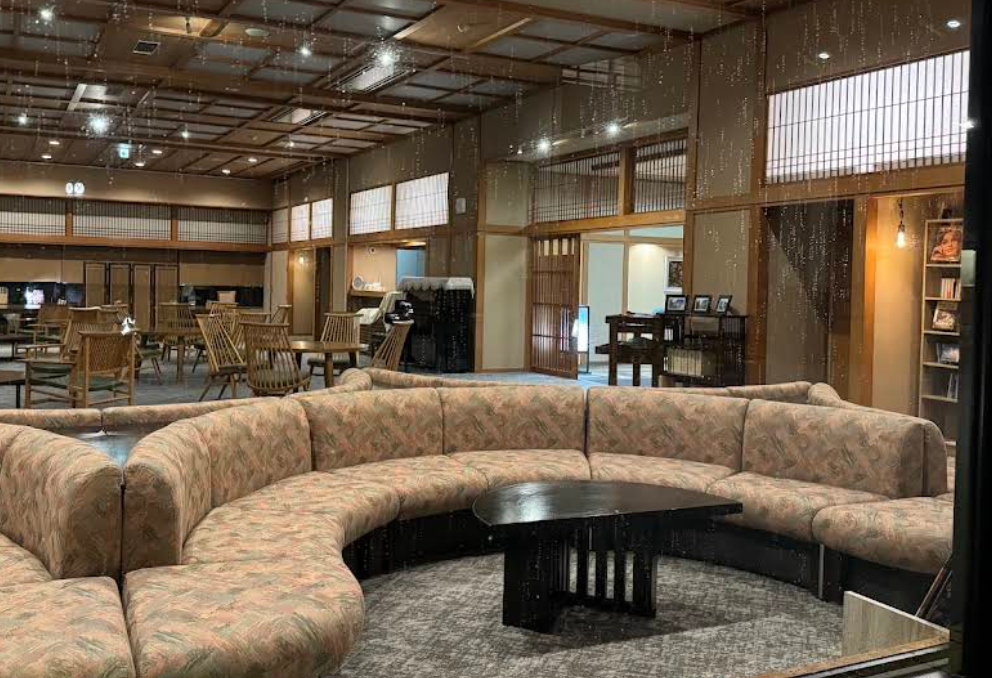
Kaen lounge gives you a comfortable place to sit after bathing and includes a small library with novels and nostalgic magazines. Coffee and beer are available, while the seasonal footbath sits just outside.
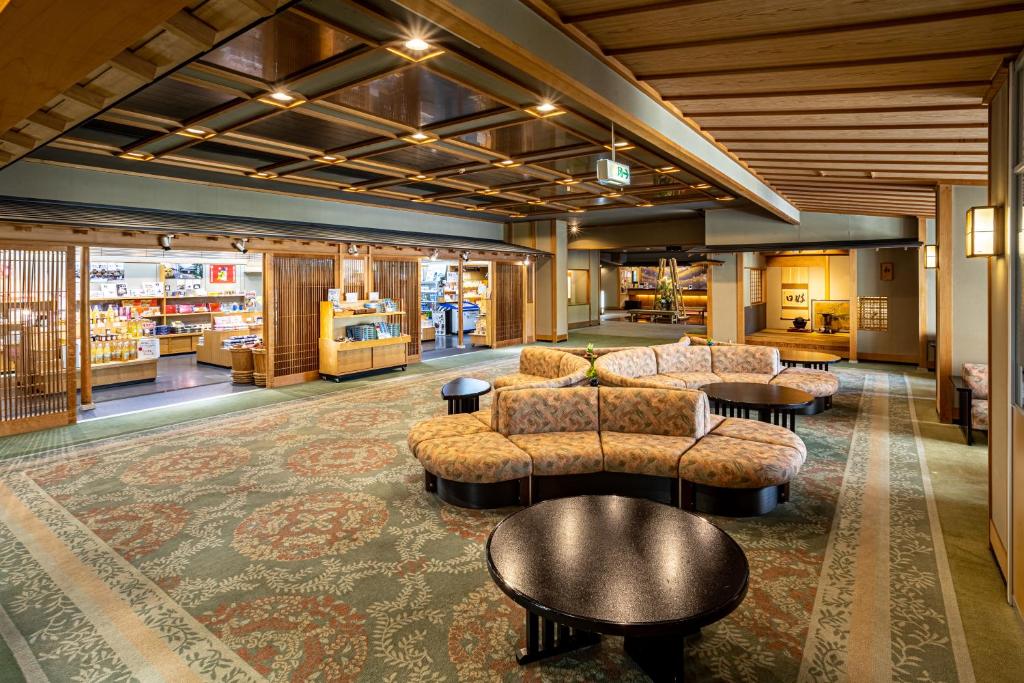
Hanaguruma sells Shinshu soba, local jam, sweets, drinks, small gifts, and seasonal produce such as Omachi apples. The shop operates from morning until evening.
Free Wi-Fi is available throughout the accommodation rooms. You can also use elevators, a ski and snowboard drying room, massage services, delivery services, and morning calls. Coin-operated laundry machines and laundry service are not available.
Free parking is available for around 100 vehicles. The indoor accommodation areas are non-smoking, with designated smoking spaces in the first-floor lobby area and outside the main entrance.
Activities
Begin your Tateyama Kurobe Alpine Route journey at Ogizawa Station, around 15 to 20 minutes away by car. From there, electric buses and mountain transport carry you towards Kurobe Dam, Murodo, the Tateyama Ropeway, and Toyama.
Spring brings the Alpine Route’s towering snow walls, while summer opens high-altitude walking routes and Kurobe Dam’s sightseeing discharge. Autumn covers the mountain slopes in rich colour before the route closes for winter.
Closer to Keisui, explore the three Nishina lakes: Lake Kizaki, Lake Nakatsuna, and Lake Aoki. Depending on the season, you can enjoy walking, cycling, canoeing, stand-up paddleboarding, fishing, and quiet time beside the water.
Takase Dam and the Takase Valley are around seven kilometres away. You can see steep mountain scenery, clear blue-green water, and one of Japan’s distinctive rock-fill dams during the seasonal access period.
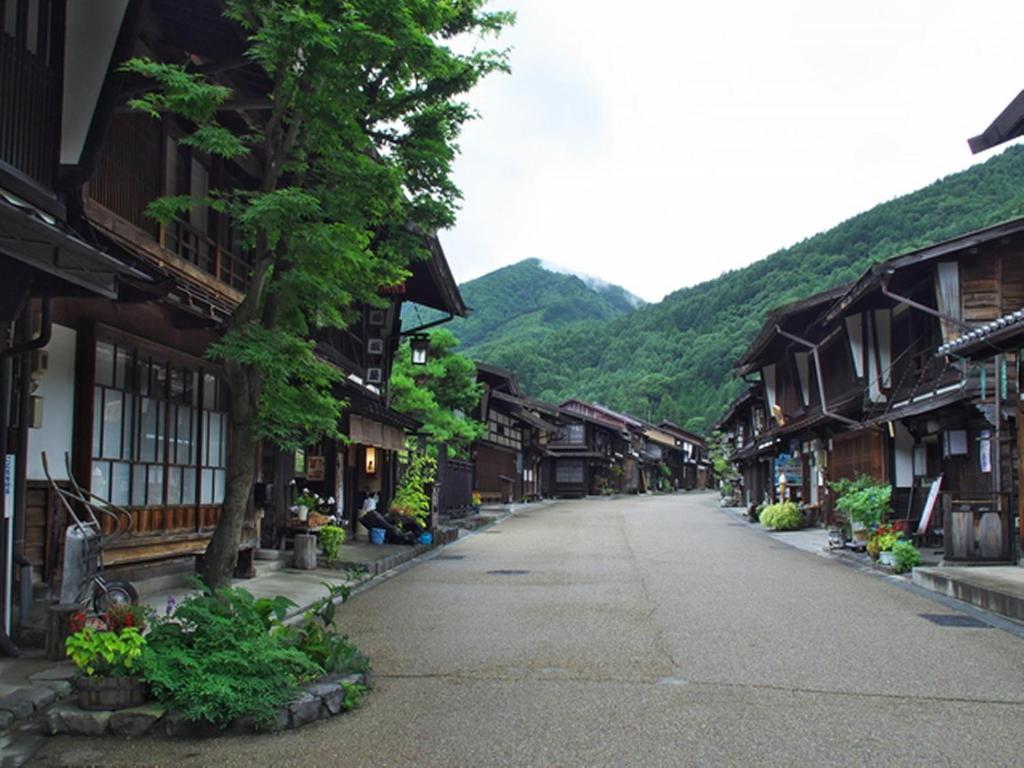
For local history, visit Nyakuichioji Shrine, which combines Shinto and Buddhist features and includes a National Important Cultural Property main hall. You can also explore Omachi’s spring-water walking route, local shops, the Omachi Mountain Museum, and the town’s sake and food culture.
During winter, Jiigatake Ski Resort is around ten minutes away by car, Kashimayari Ski Resort is around 20 minutes away, and Hakuba Goryu is around 30 minutes away.
Additional Features
Check-in begins at 15:00, with final arrival by 19:00, and check-out is by 10:00. Luggage can be stored after check-out.
A complimentary reservation-only shuttle leaves JR Shinano-Omachi Station at 15:15 and 16:30. The return shuttle leaves Keisui at 10:00. Pickup from the Omachi Onsen-kyo bus stop is also available.
The drive from the Azumino Interchange takes around 40 minutes. Snow and ice are common during winter, so you need winter tyres or suitable chains when arriving by car.
Your stay brings together natural Kuzu Onsen water, shared indoor and open-air baths, two reservable private semi-open-air baths, a sauna, a seasonal footbath, Shinshu kaiseki dining, free Wi-Fi, complimentary parking, and access to the Tateyama Kurobe Alpine Route.