Overview
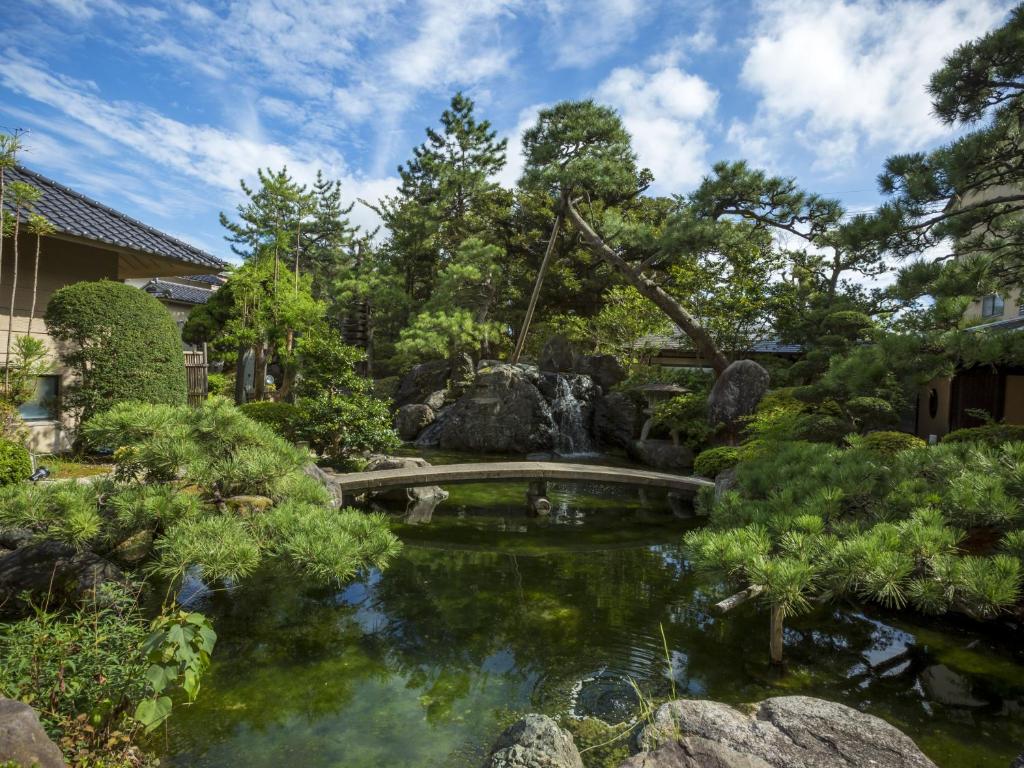
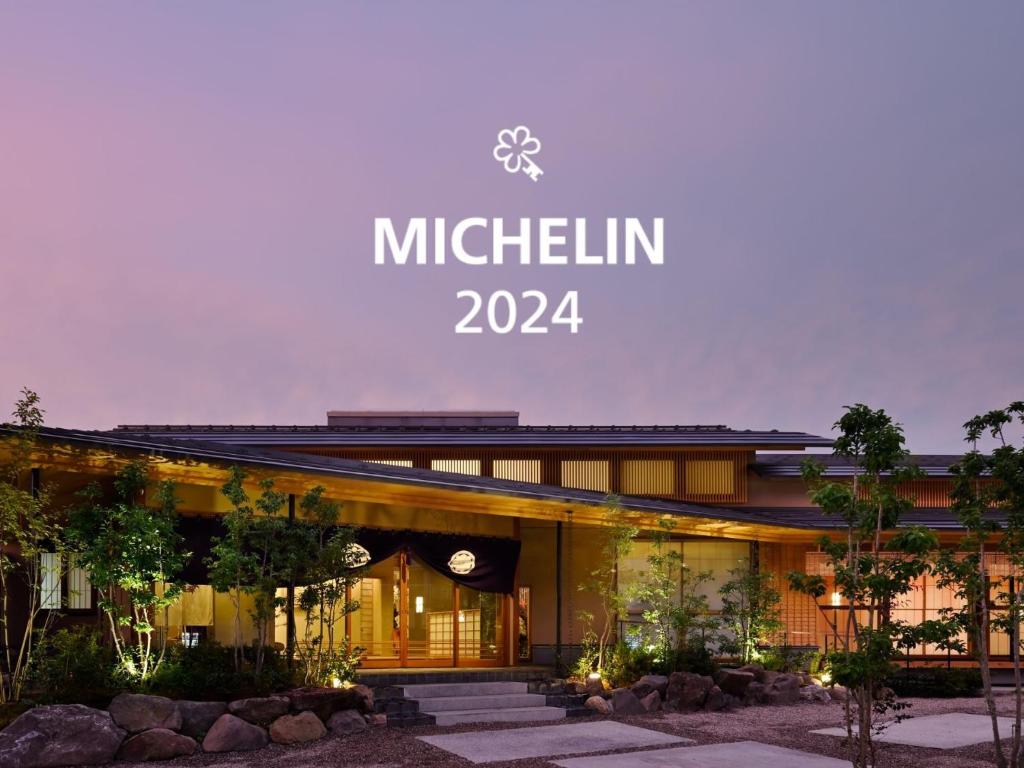
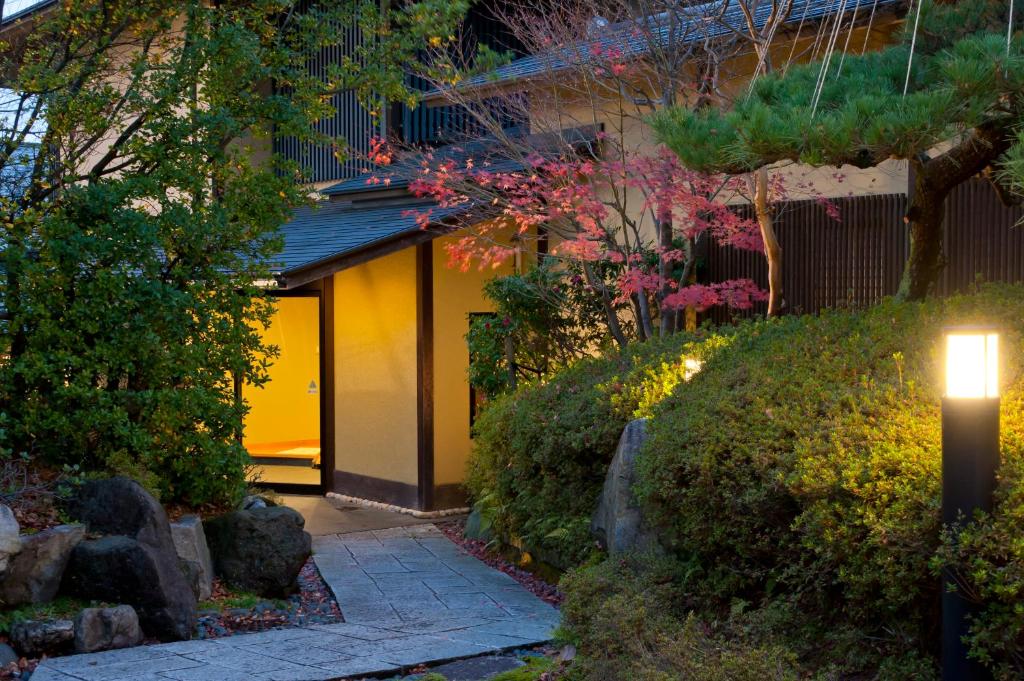
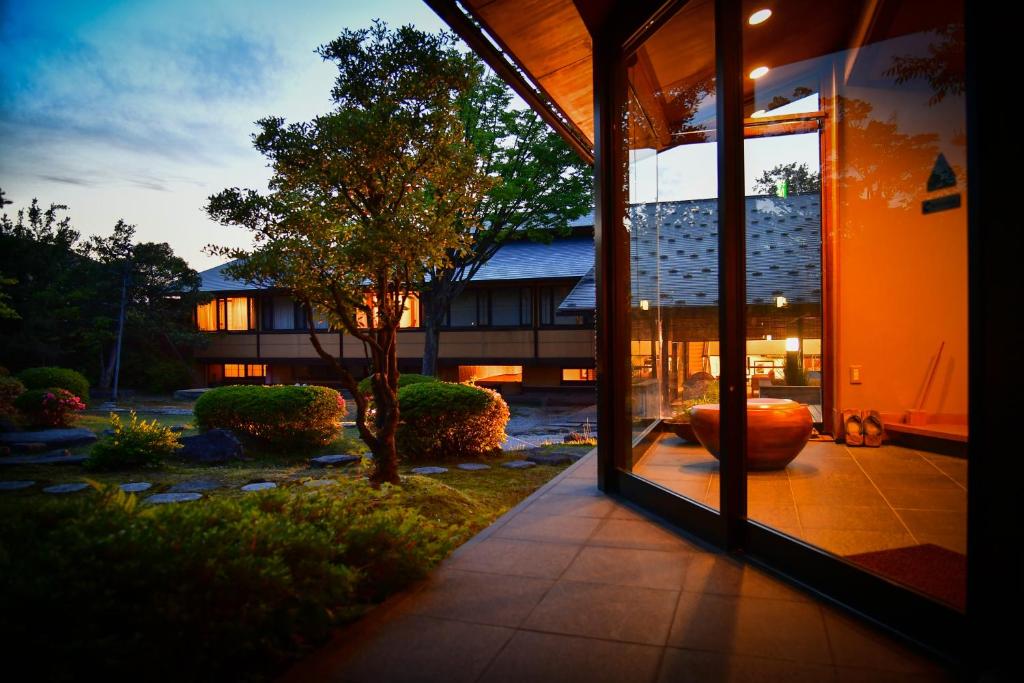
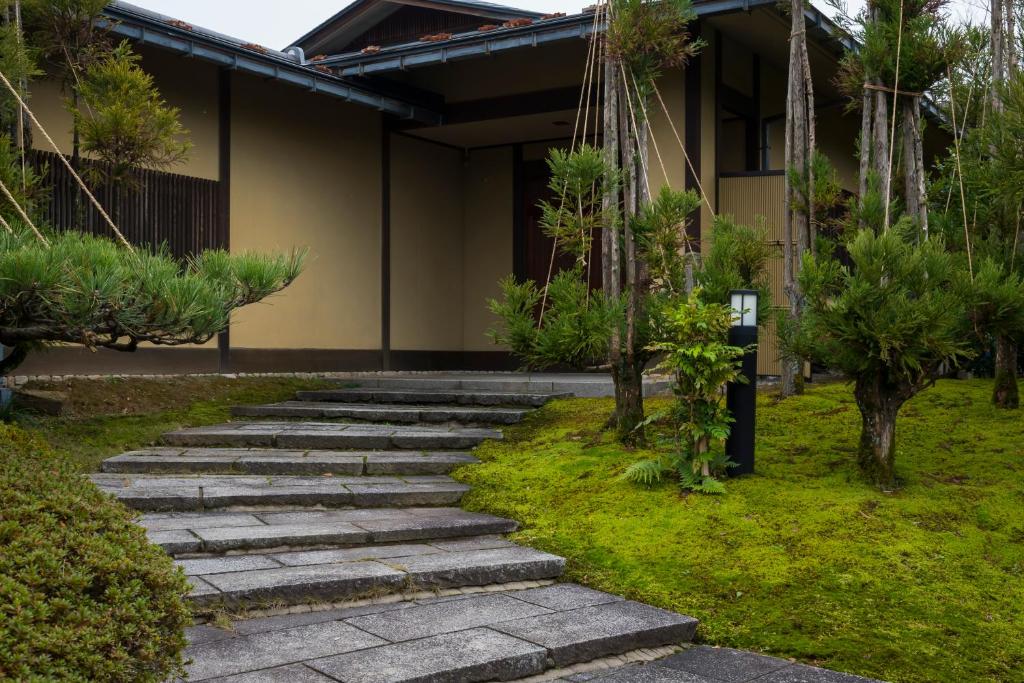
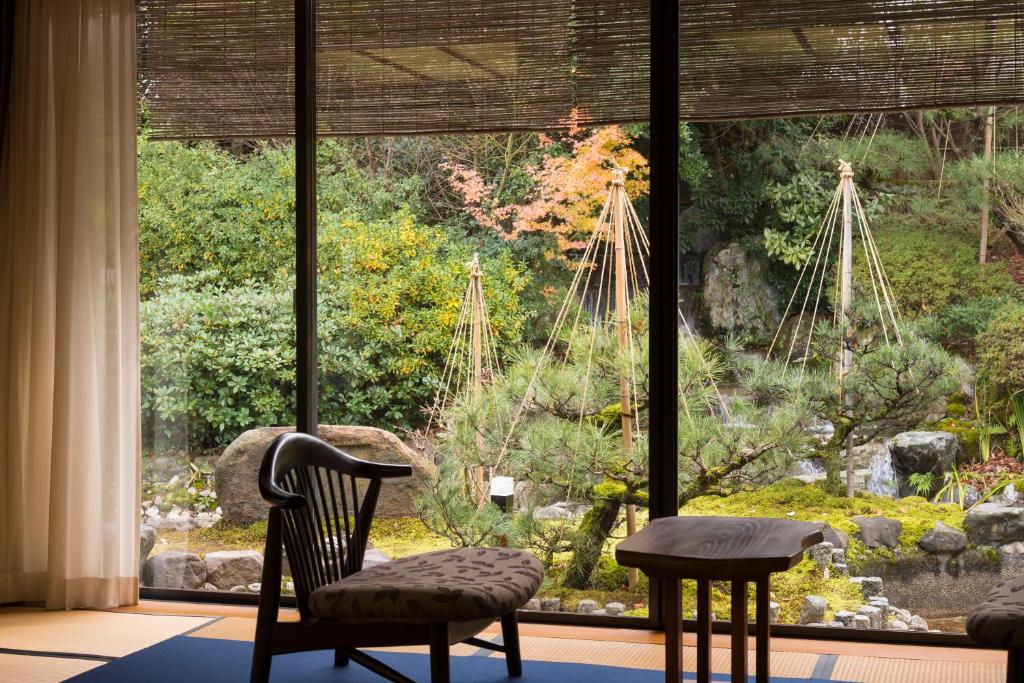
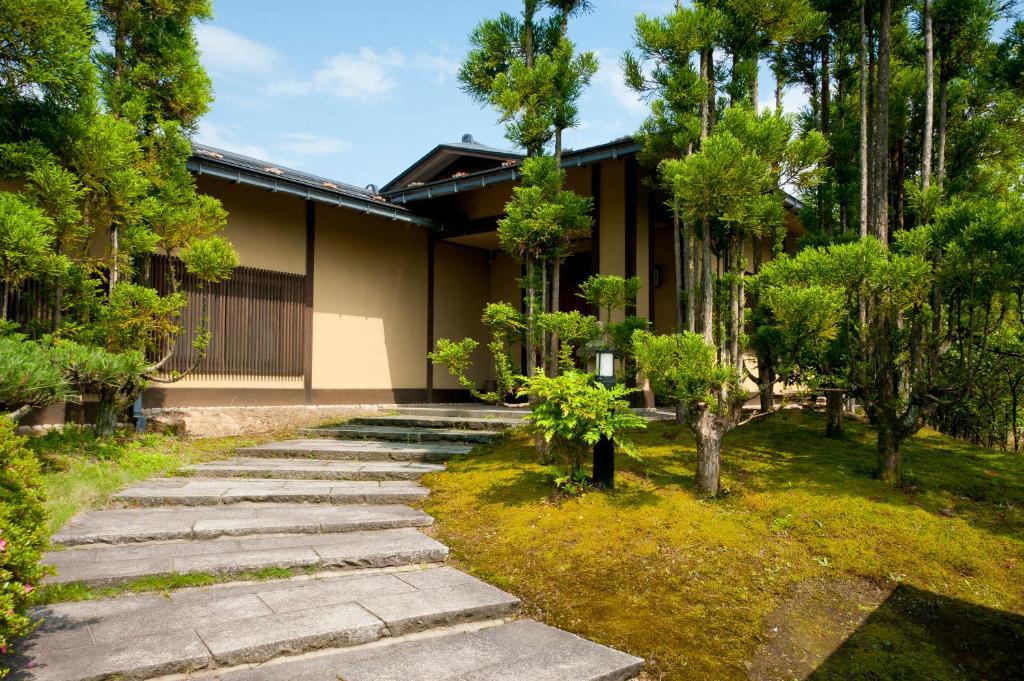
Ryotei Manyo is a quiet hot spring ryokan in Tatsunokuchi Onsen, Nomi, in Ishikawa Prefecture. You stay in a small inn with only nine rooms, set across a 2,000-tsubo garden where the mood feels private, refined, and deeply connected to local culture. Tatsunokuchi Onsen has more than 1,400 years of history, and the ryokan sits in the “inner parlor” of Kanazawa, close enough for culture and sightseeing while still giving you a slower Kaga-style retreat.
The name Manyo comes alive in the garden. Three Manyoshu poem monuments, written by the scholar Takashi Inukai, stand within the grounds, giving the property a strong link to Japan’s oldest poetry collection. You arrive for hot spring bathing, seasonal kaiseki, quiet garden views, and a stay shaped by old Kaga taste.
Accommodation
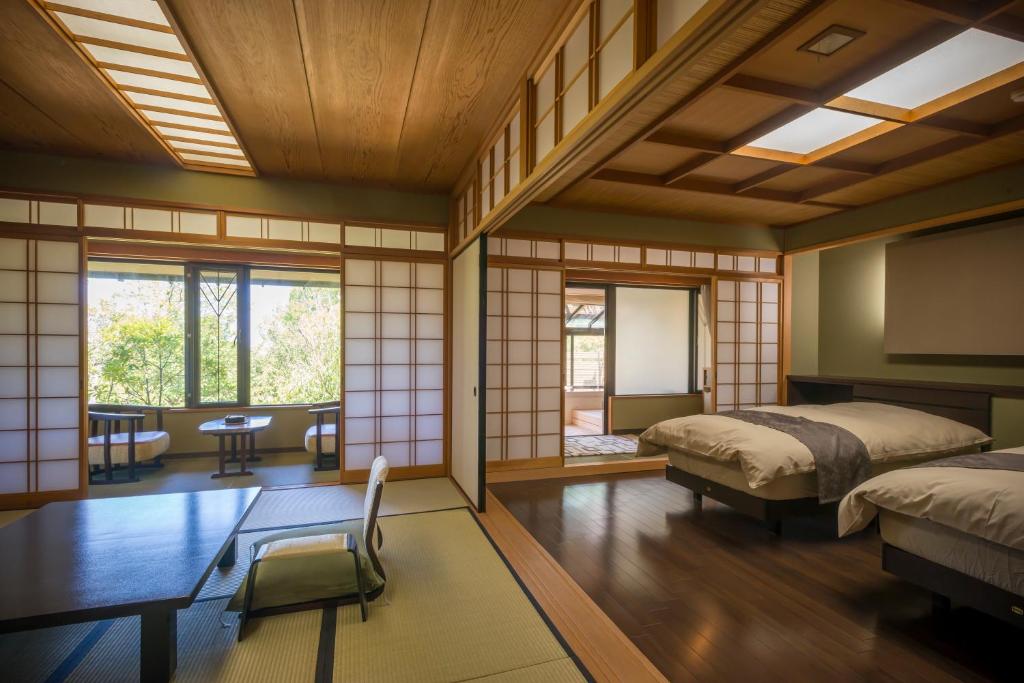
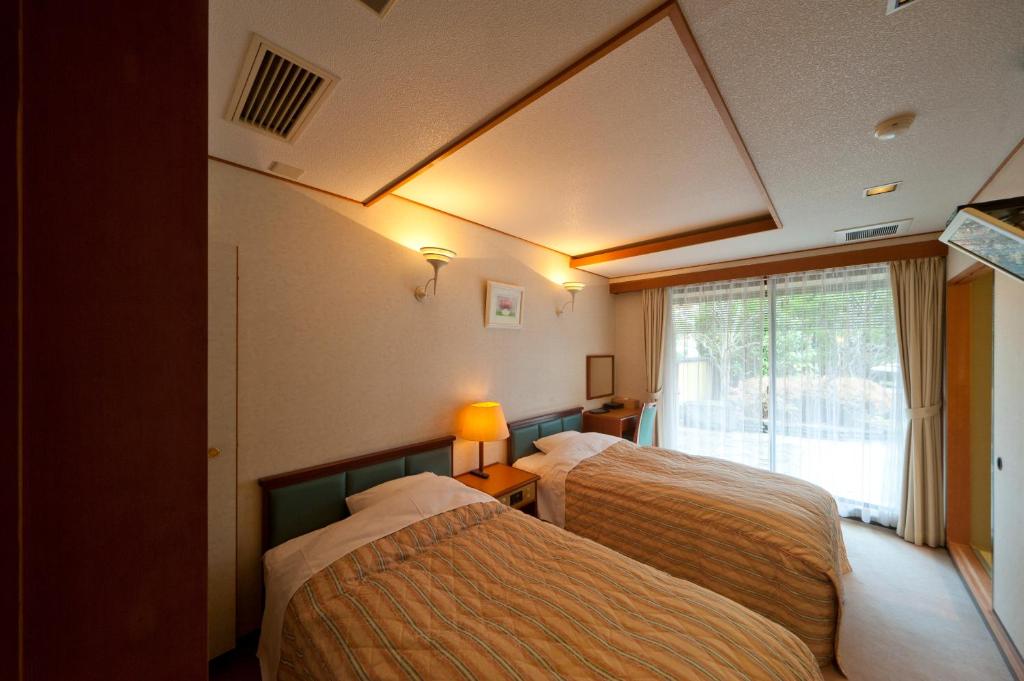
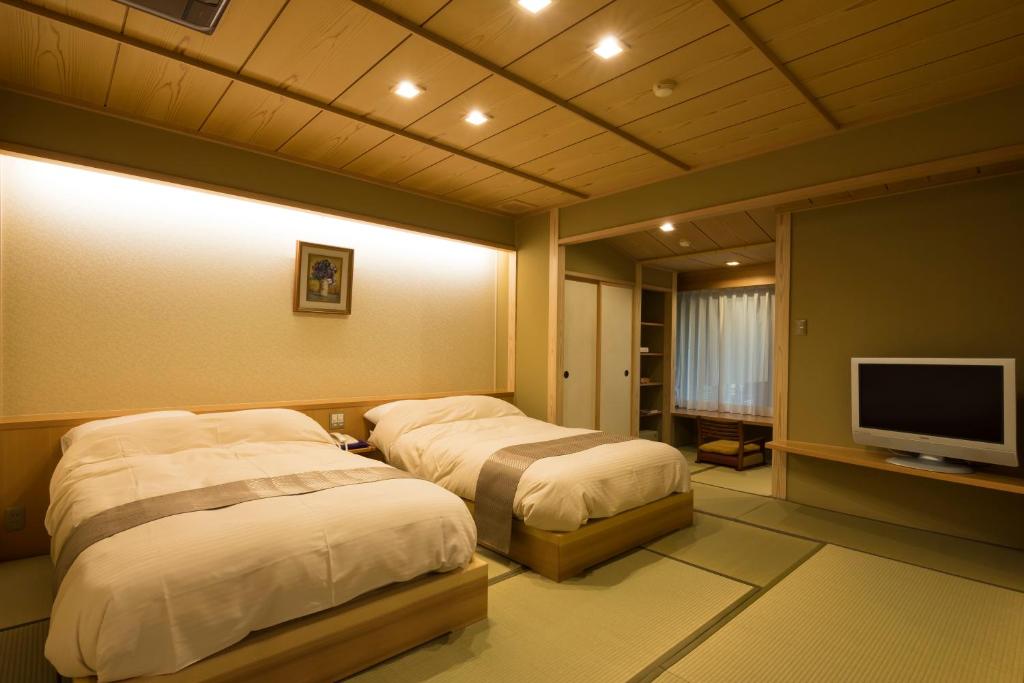
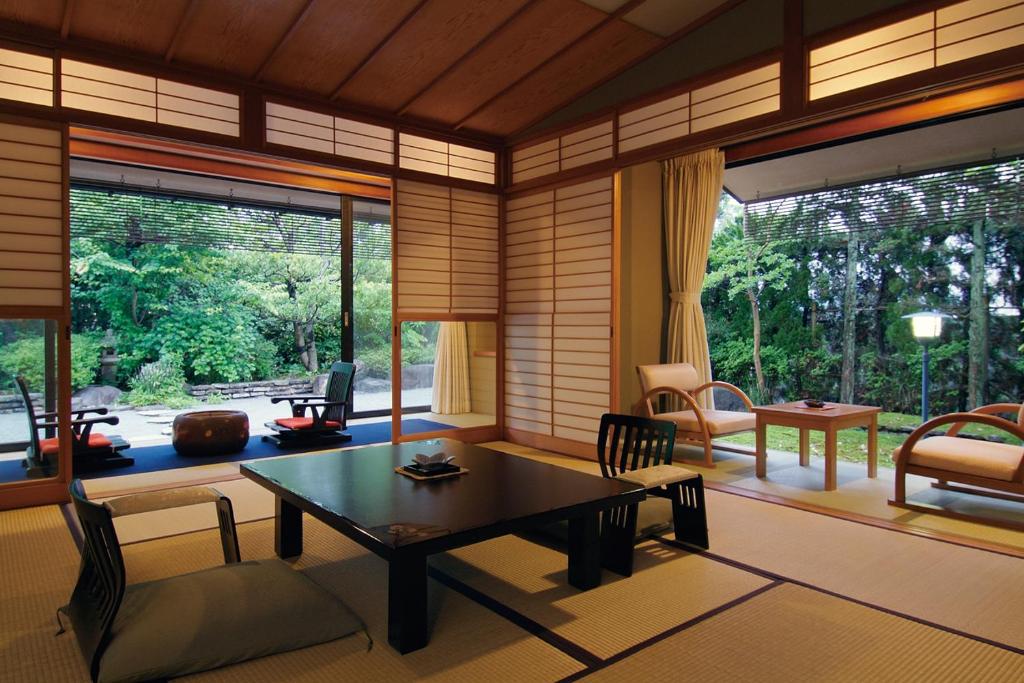
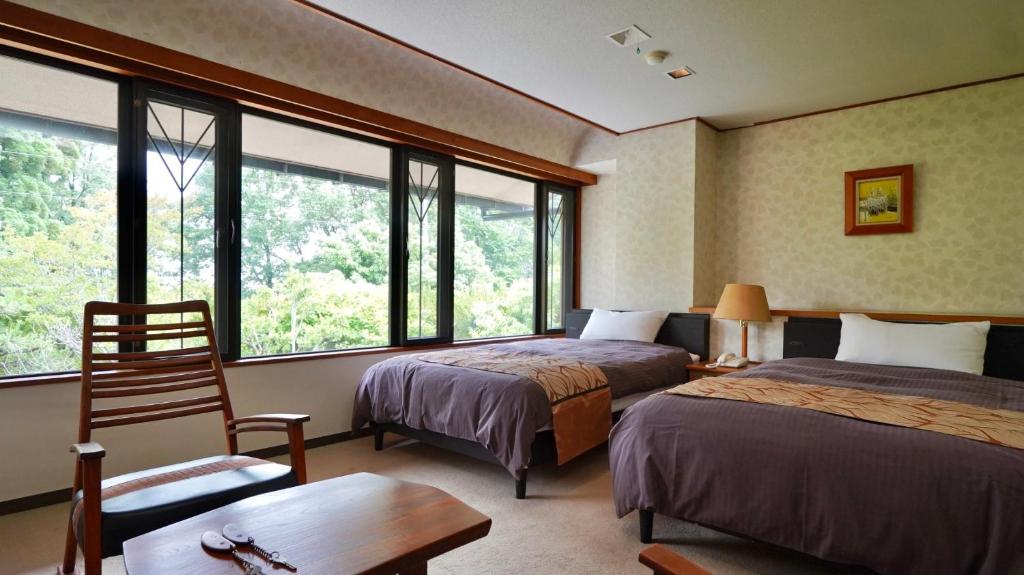
Each room at Ryotei Manyo has its own layout and atmosphere, so your stay feels personal from the moment you step inside. The rooms use Japanese design, garden views, tatami spaces, twin bedrooms, private baths, and handcrafted details to create a calm place to rest.
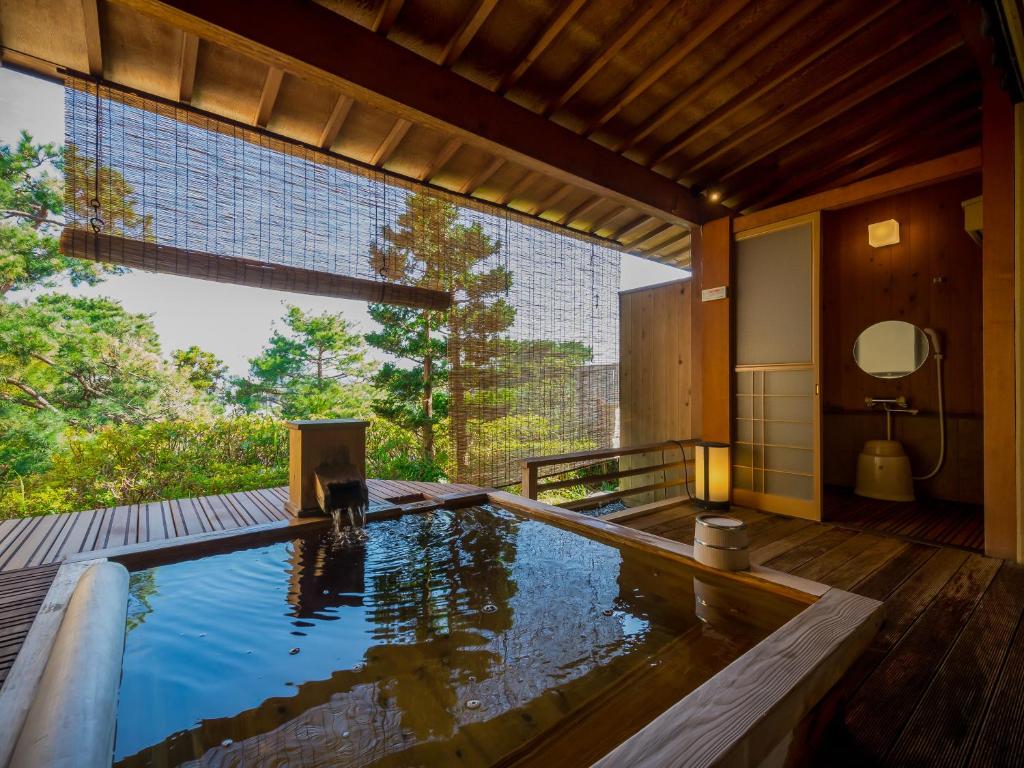
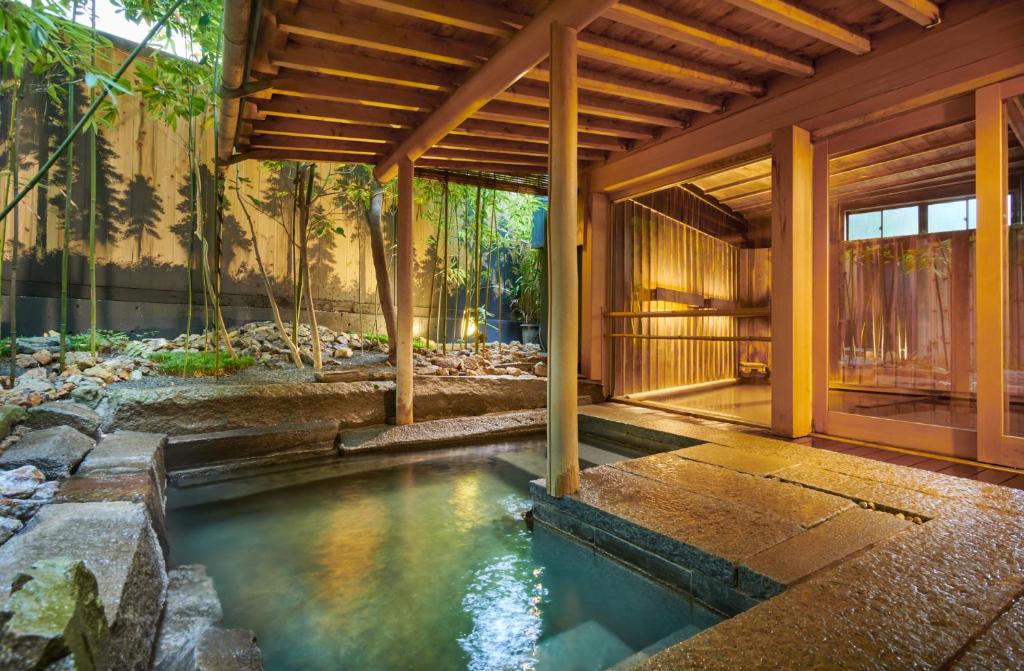
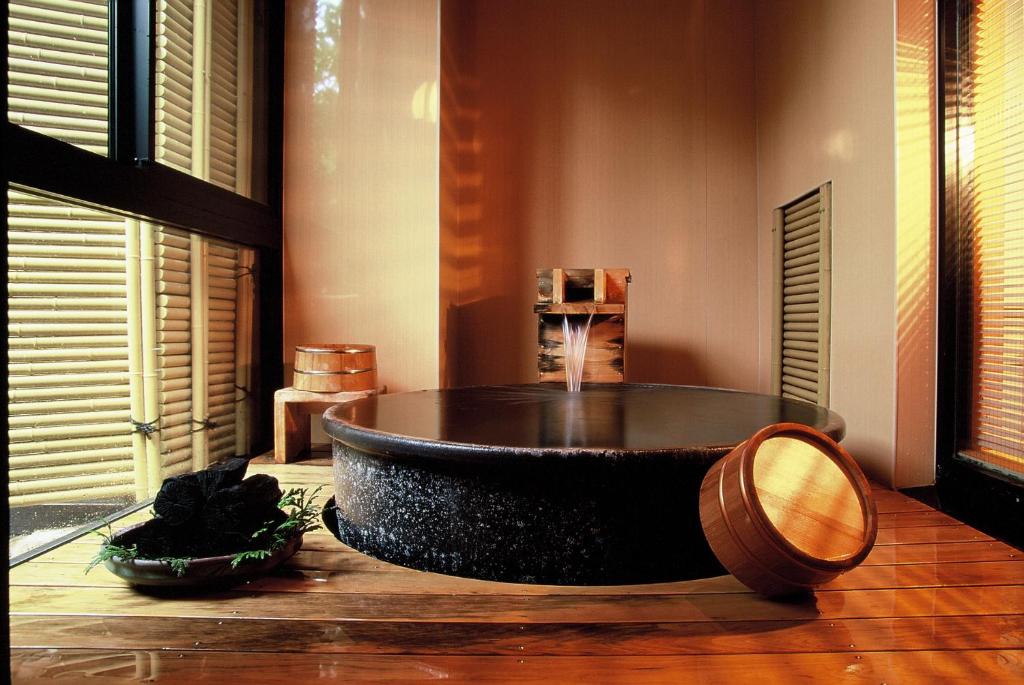
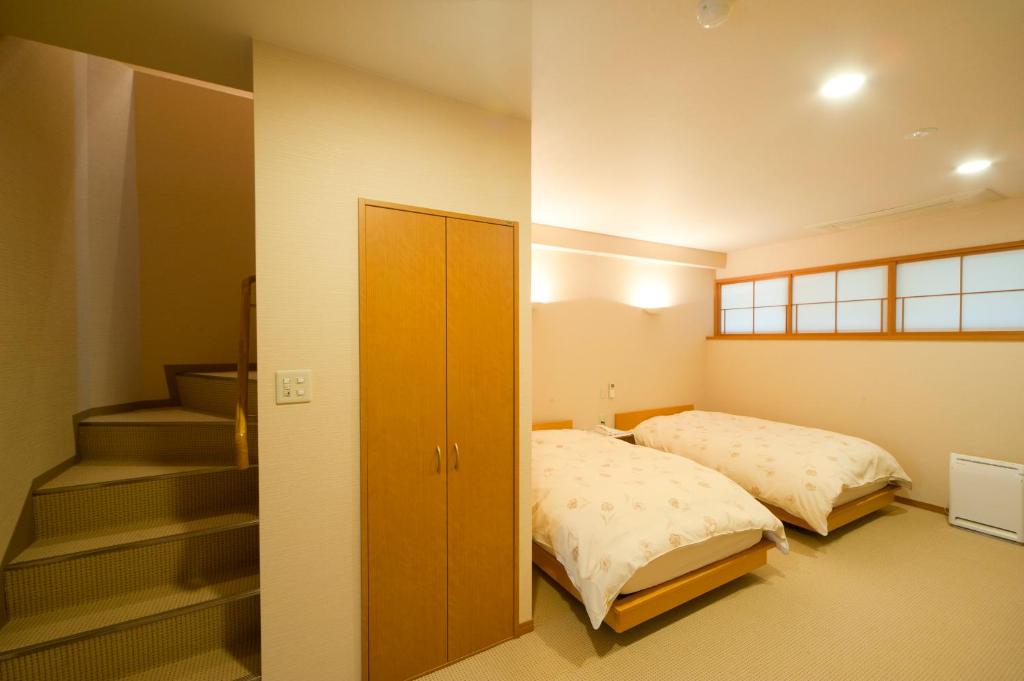
The highest-grade room, Furokuju, has its own entrance and feels close to a private villa. It includes Japanese rooms, a twin bedroom, a private garden, a bath made with ancient hinoki cypress, and a private open-air bath with a small garden. Fukujuso gives you a pure Japanese atmosphere with a 10-tatami room, twin bedroom, white gravel stone garden, and private open-air jar bath. Hagi is a Japanese-Western room with a 10-tatami room, twin bedroom, and in-room hot spring bath.
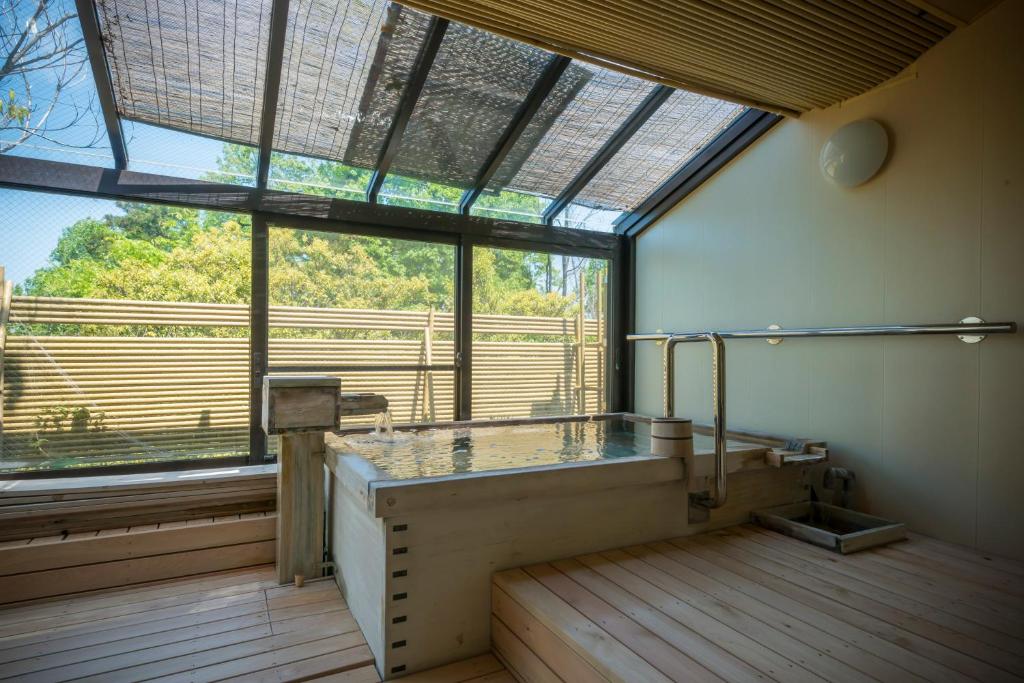
For a more atmospheric bath experience, the star-view open-air bath rooms let you soak while looking toward the night sky through a glass ceiling and side wall. These rooms include Japanese-style layouts, and one room has a universal-style design with a twin bedroom, tatami room, and a spacious private hinoki open-air bath that allows easier movement.
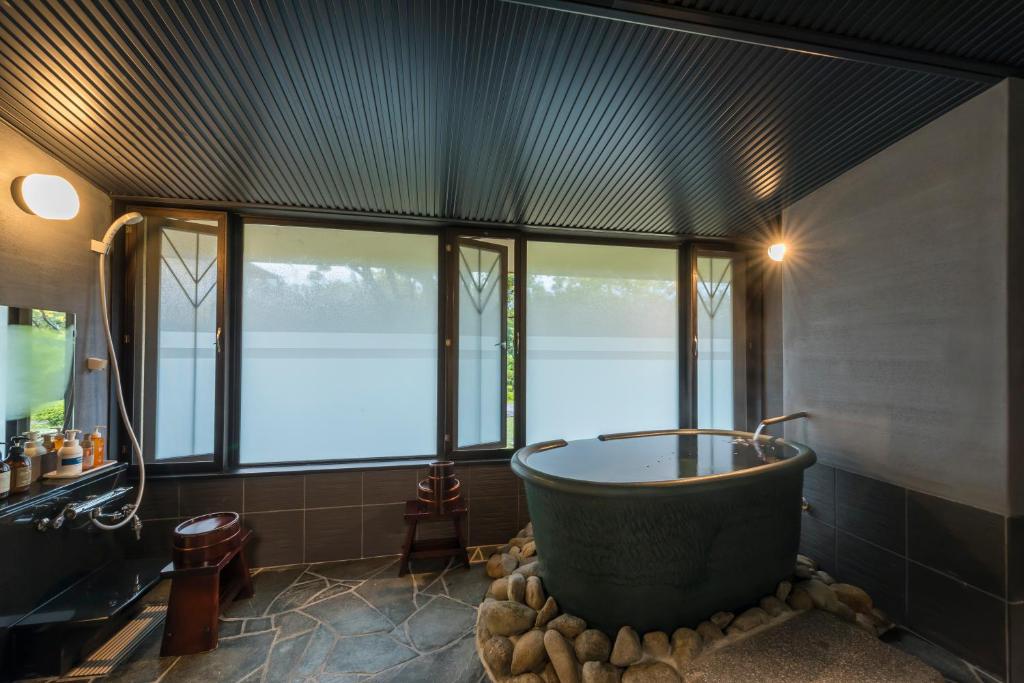
The maisonette rooms, Hanashobu, Suisen, and Momiji, have two floors, with a Japanese room upstairs and a twin bedroom downstairs. Each room has its own character, with open-air baths made from stone, pottery, or hinoki cypress, and each also includes a box steam bath. Tsubaki offers a simpler stay with a quiet Japanese atmosphere and garden-facing comfort.
Your room includes Wi-Fi, individual heating and cooling, a refrigerator, tea-making items, yukata, samue-style roomwear, towels, and basic bath items. Non-smoking rooms are not separated, so deodorization and ventilation can be arranged when you need a fresher room setup.
Dining
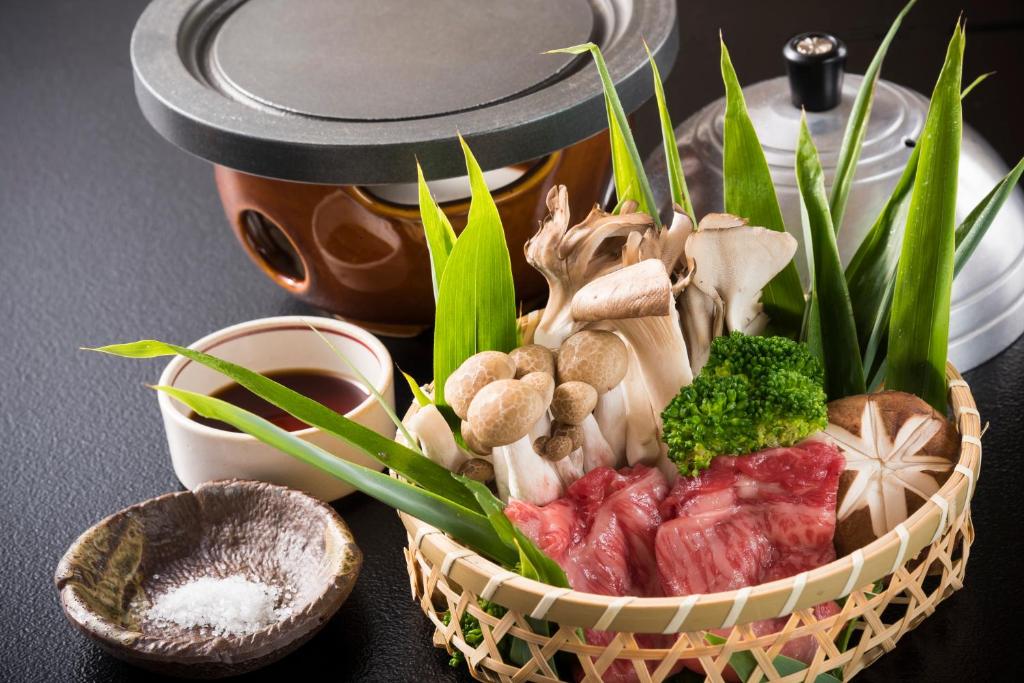
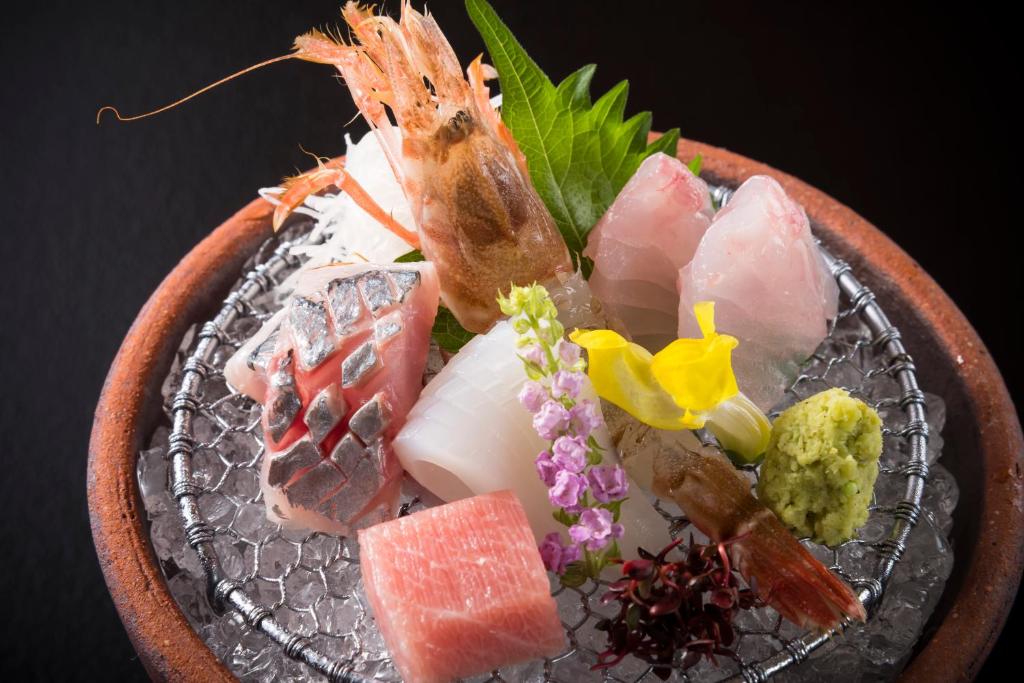
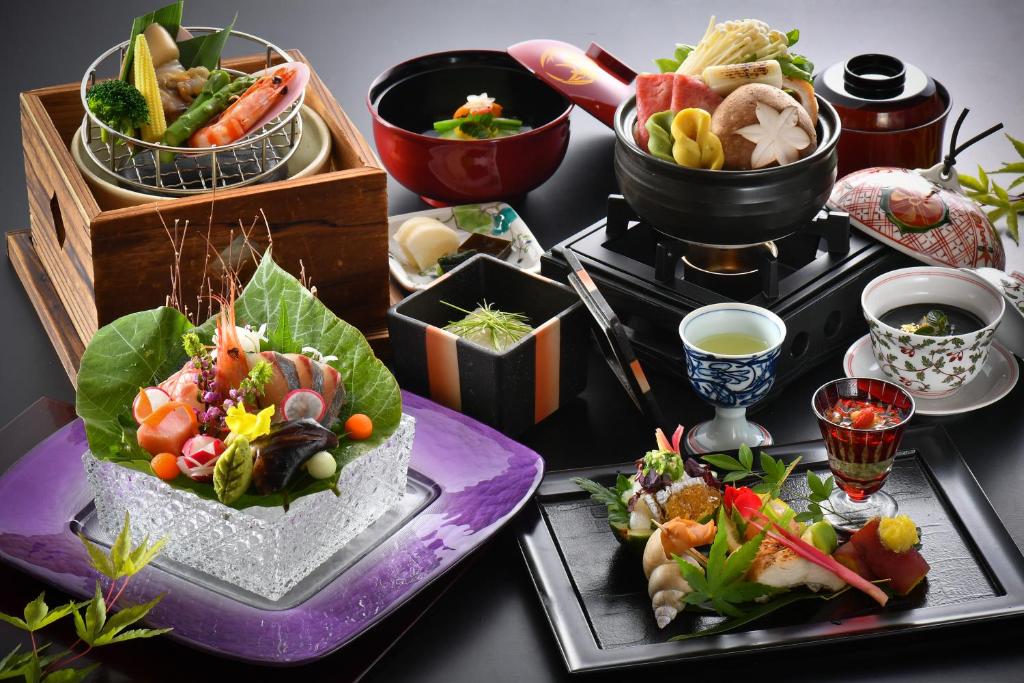
Dining at Ryotei Manyo focuses on seasonal kaiseki made with ingredients from the Sea of Japan, the Hakusan foothills, and the Kaga Plain. Each dish is served one by one, so you can enjoy the timing, aroma, temperature, and presentation of the meal at a slow pace.
Dinner brings together Ishikawa seafood, Kaga vegetables, mountain ingredients, and carefully chosen tableware. You may enjoy crab in winter, nodoguro from the Hokuriku coast, fresh seafood brought from nearby markets, and vegetables sourced directly from local farms. The meal also highlights the beauty of the region through Kutani ware, Wajima lacquerware, Kanazawa lacquerware, and sometimes local Tatsunokuchi pottery.
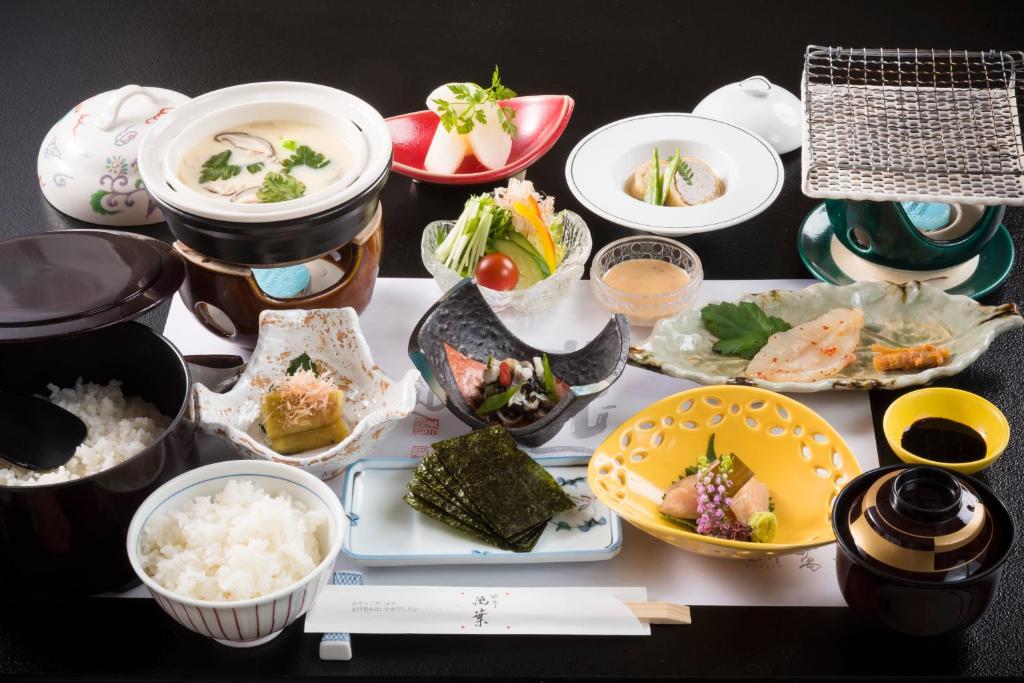
The standard dinner is the seasonal “Kiwami Kaiseki” course, with special plans that may feature steamed abalone or whole nodoguro. Dinner begins between 18:00 and 19:00. In the morning, you enjoy a gentle Japanese breakfast with dishes such as dried fugu and warm chawanmushi prepared at your table. Meals are served in private sunken-kotatsu dining rooms, so you can sit comfortably and enjoy each course in a quiet setting.
Onsen and Wellness
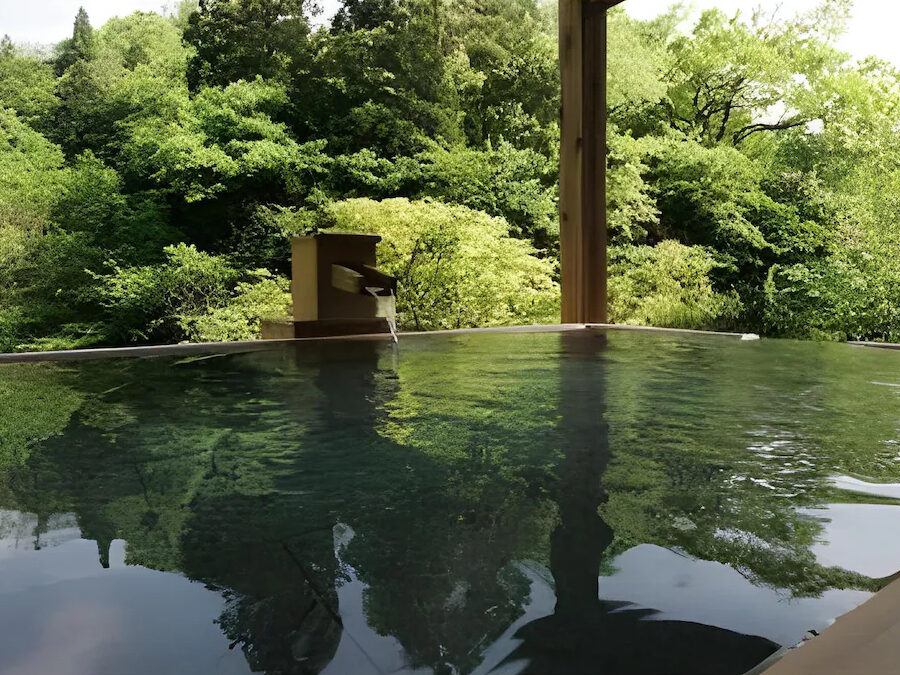
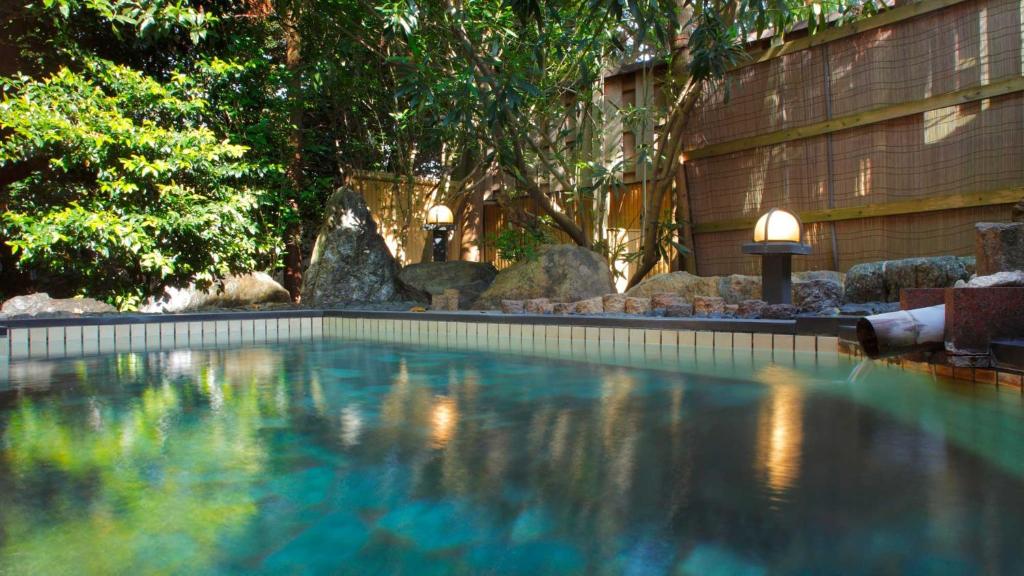
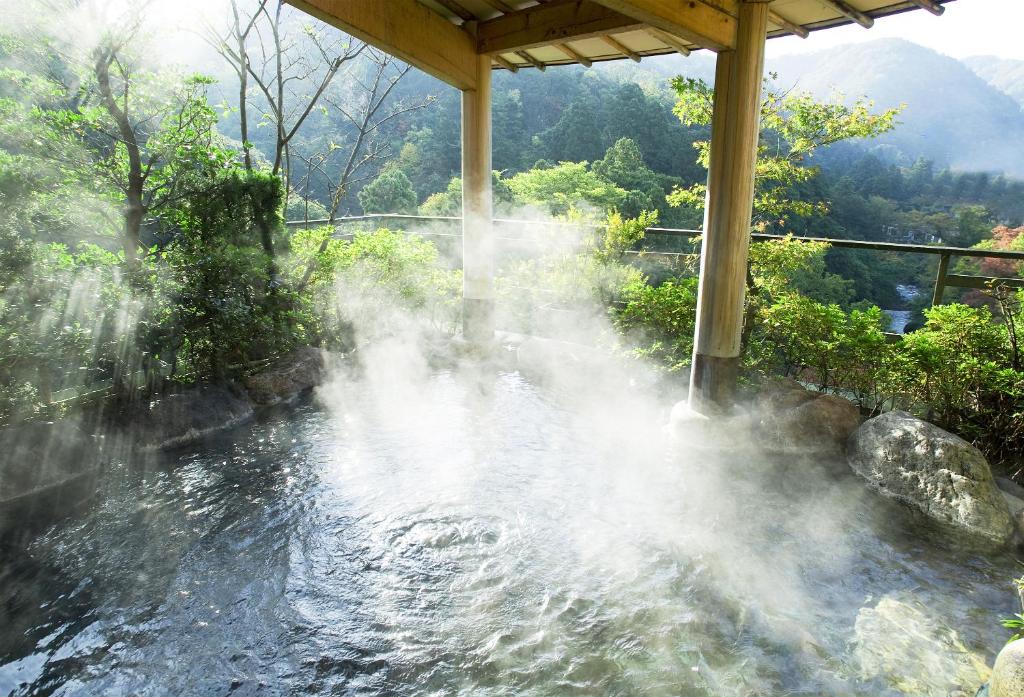
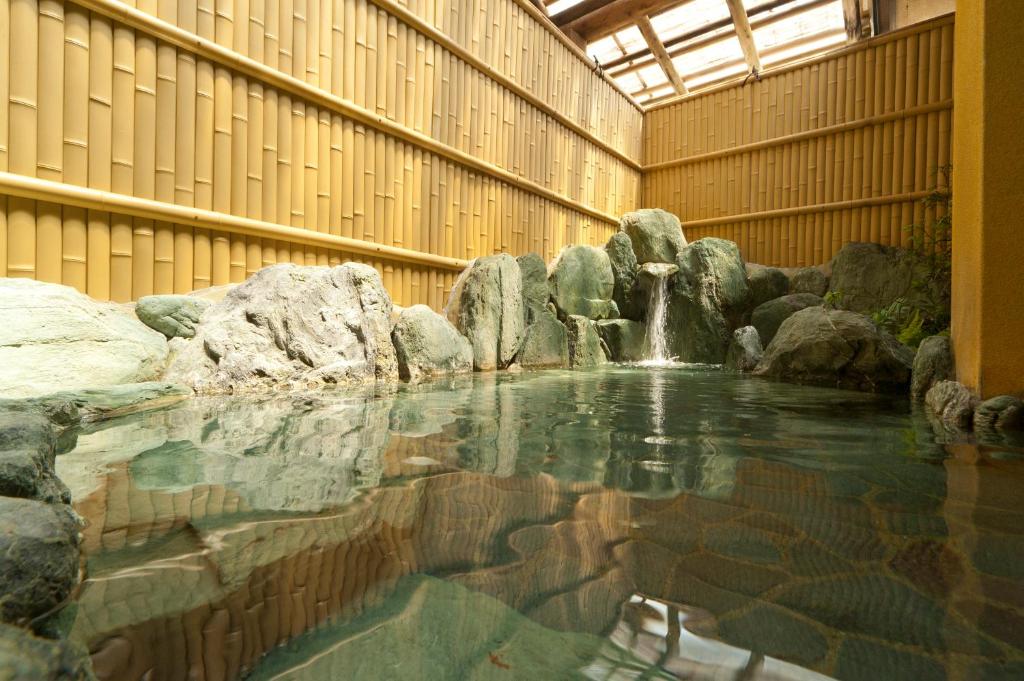
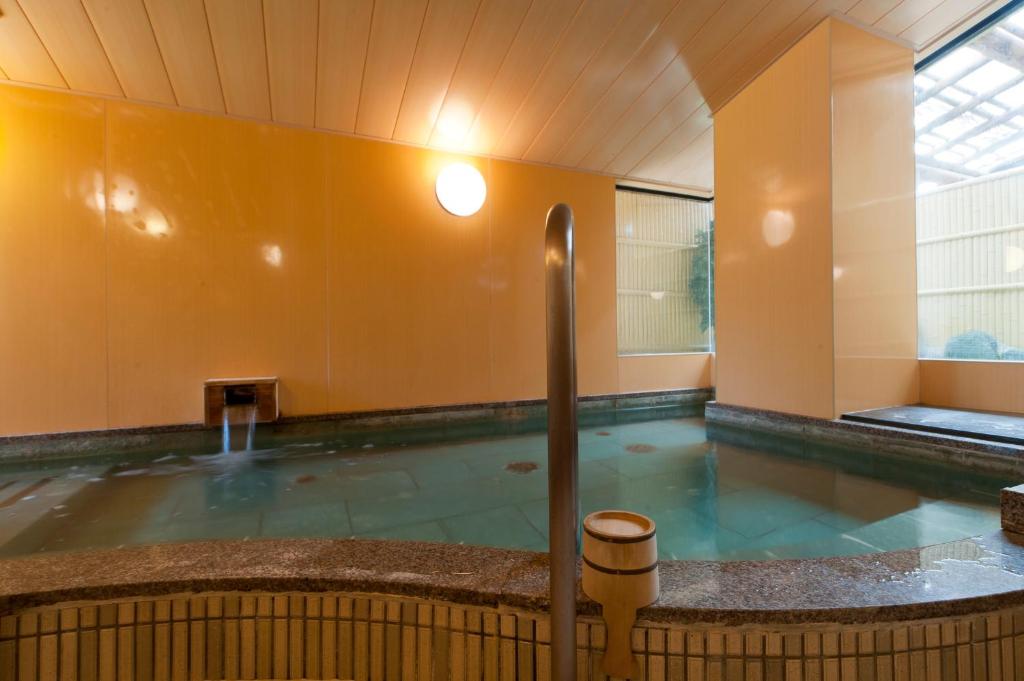
Ryotei Manyo uses Tatsunokuchi Onsen, a natural hot spring with a history said to reach back more than 1,400 years. The water is a sodium sulfate and chloride spring, also described as a Glauber’s salt spring. It is known for a smooth feel on the skin and is often called a beautifying bath because your skin feels soft after soaking.
You can enjoy the ryokan’s natural hot spring baths from 6:00 to 24:00. The property also has private bath options, and reservations can be made after arrival. The private bath is used by turning the sign at the entrance and locking the door from inside, giving you a simple and comfortable way to bathe in privacy.
Many rooms also include private open-air baths or in-room hot spring baths, depending on the room type. This gives you the freedom to soak at your own pace, especially if you choose a room with its own bath. You can also use the sister property Tagawa Ryusenkaku’s famous mixed open-air bath, Tanbo-no-Yu, free of charge when it is open. This bath is set in a rural landscape and uses hot spring water from six sources rising from the rice-field area. Bathing garments are provided, and use is generally available from 15:00 to 22:00, with shuttle service available.
Guests with tattoos
Ryotei Manyo has shared hot spring bathing areas as well as private bath options. If you have tattoos, use a room with a private bath or reserve the private bath after arrival. The sister property’s mixed open-air bath, Tanbo-no-Yu, is used with bathing garments, giving you another comfortable bathing option when it is open.
Facilities
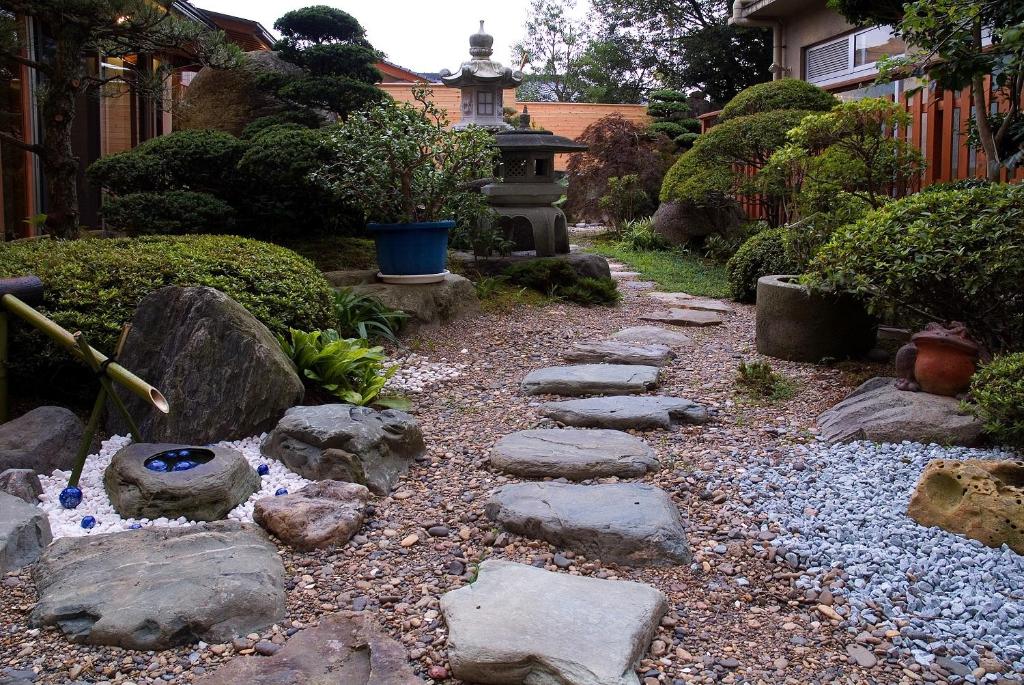
Ryotei Manyo has a dry landscape garden, a lobby with seated check-in and matcha service, Salon Manyo Club with self-service freshly ground espresso, private sunken-kotatsu dining rooms, banquet halls, a post-bath lounge, shared and private hot spring bathing spaces, and free Wi-Fi throughout the building. The private dining rooms are named Ume, Matsu, Yuzu, Fuji, and Sakura, while the banquet spaces include a large 42-tatami hall and a 25-tatami hall. After bathing, you can stop at the post-bath lounge for self-service cold water, tea, and small sweets. The entrance area has a stone slope and handrails, and wheelchair rental is available with support at the entrance when needed.
Activities
You can explore the cultural side of Tatsunokuchi Onsen and the wider Kaga area from Ryotei Manyo. The area is connected with the writer Kyoka Izumi, who spent part of his youth in Tatsunokuchi and wrote about the hot spring. Nearby historic places include Shufuku-ji, known as a temple connected with good fortune, and local sites linked with classic stories such as the Heike Monogatari and the kabuki play Kanjincho.
You can also plan time in Kanazawa, Komatsu, or the wider Ishikawa region. The ryokan works well when you want to combine garden quiet, onsen bathing, seasonal cuisine, and local history with a slower stay away from the busiest city areas.
Additional Features
Ryotei Manyo includes free Wi-Fi, free parking, natural hot spring baths, private bath options, room types with private open-air baths, private dining rooms, matcha at check-in, self-service espresso in Salon Manyo Club, post-bath refreshments, banquet rooms, and shuttle service to and from JR/IR Komatsu Station or IR Matto Station with advance request for two or more people. Check-in begins at 15:00, and check-out is by 11:00. Pets cannot stay at the ryokan. Free parking is available for 15 cars.