Overview
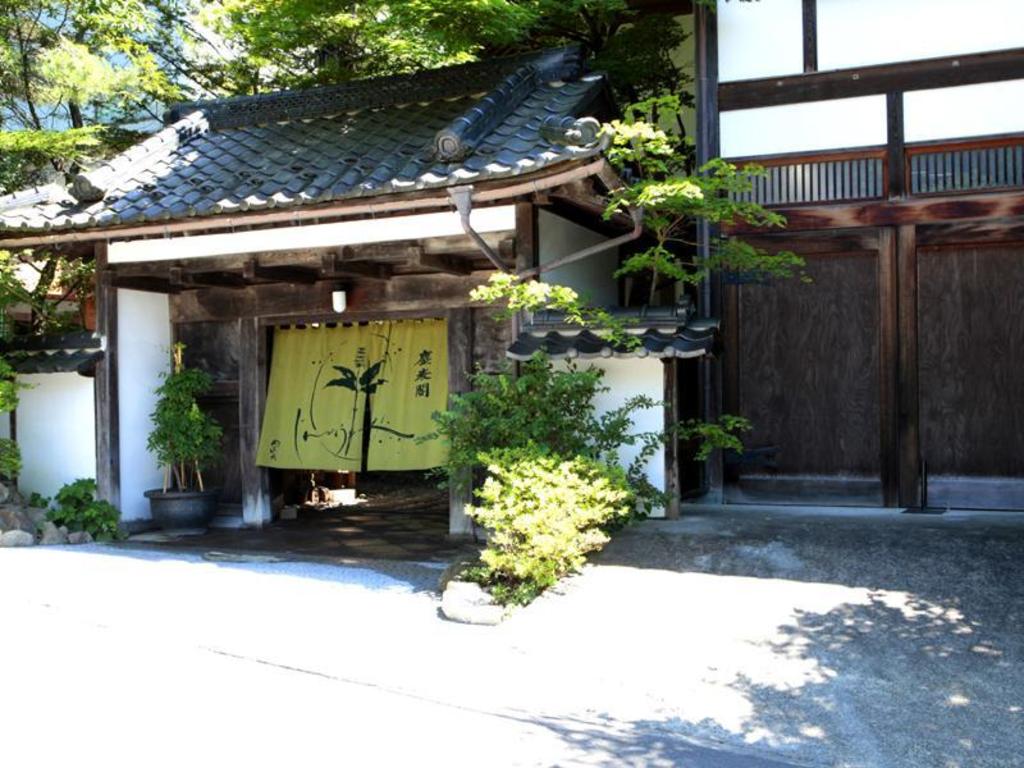
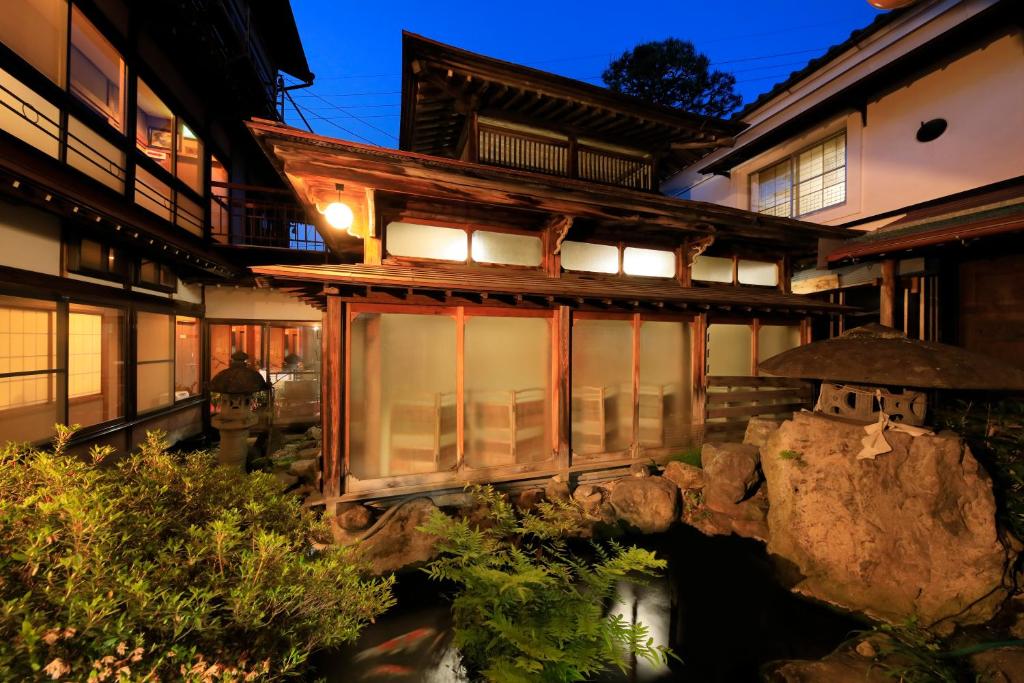
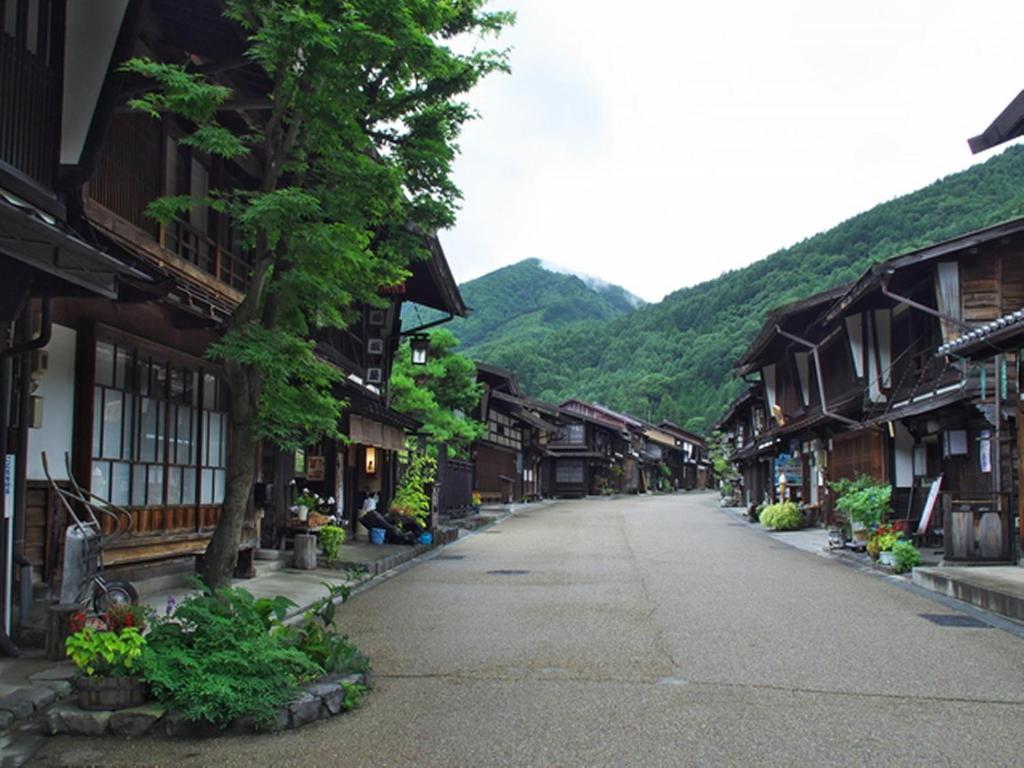
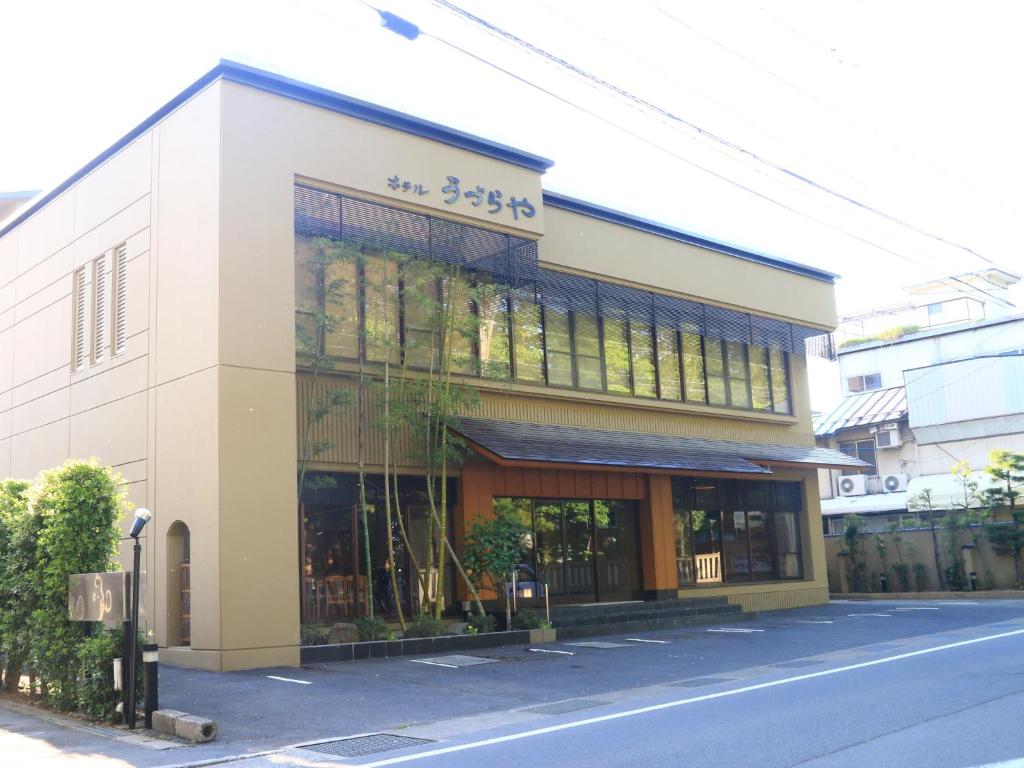
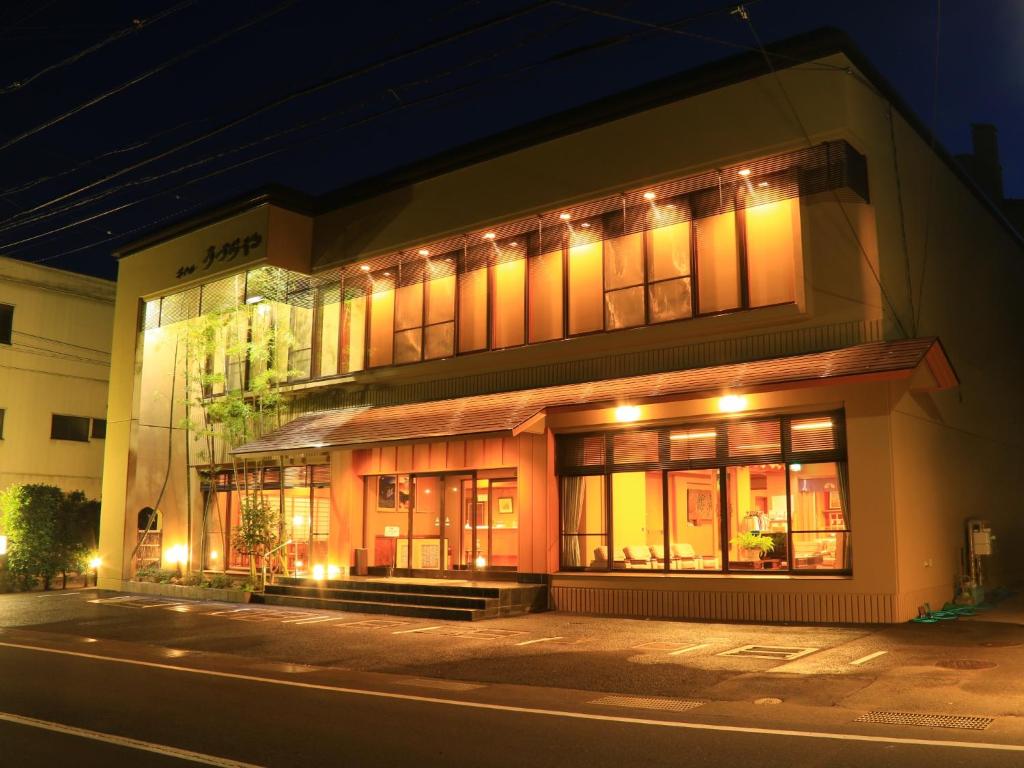
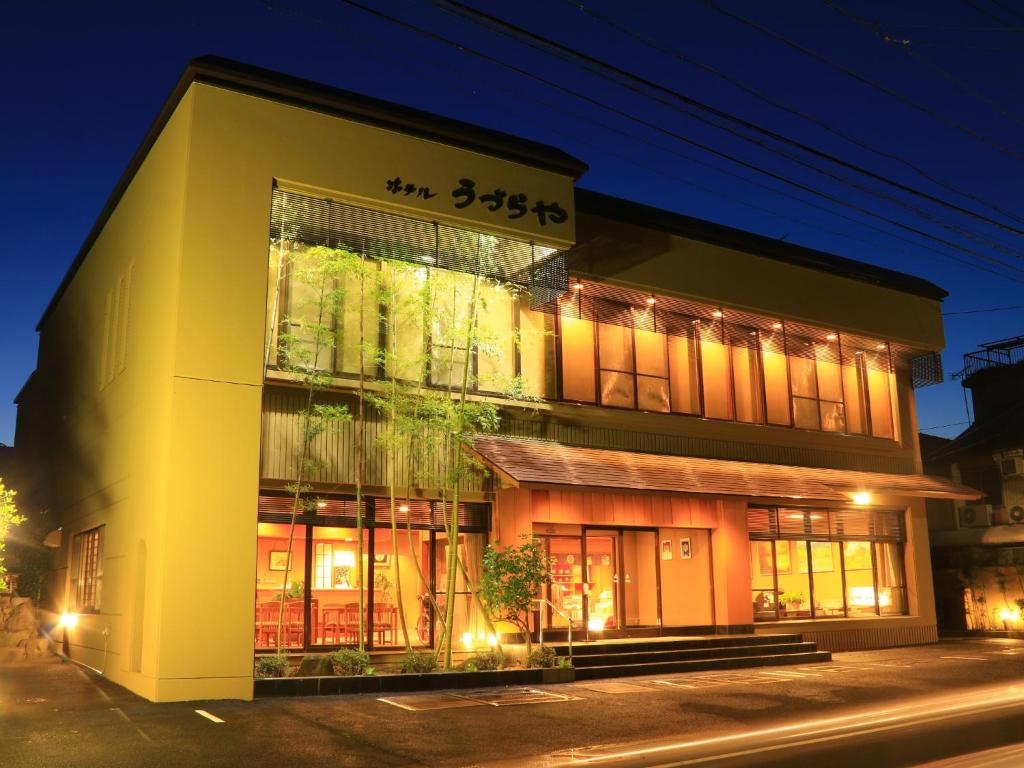
Stay in the historic Sarashina area of Chikuma at Hotel Uzuraya, a traditional ryokan near the terraced fields of Obasute. From the surrounding hills, you can look across the rice paddies, the Chikuma River, and the broad Zenkoji Plain.
This landscape has inspired poets for centuries. Matsuo Basho and other literary figures travelled to Sarashina to admire the moon, while the reflection that appears across the water-filled rice terraces became known as Tagoto no Tsuki, or “the moon in every field.”
Hotel Uzuraya gives you a quiet base for experiencing this rural side of Nagano. You can enjoy seasonal Shinshu food, bathe in Yawata Onsen, visit the nearby shrine, or travel farther to Zenkoji Temple, Ueda, Matsumoto, and Togakushi.
Accommodation
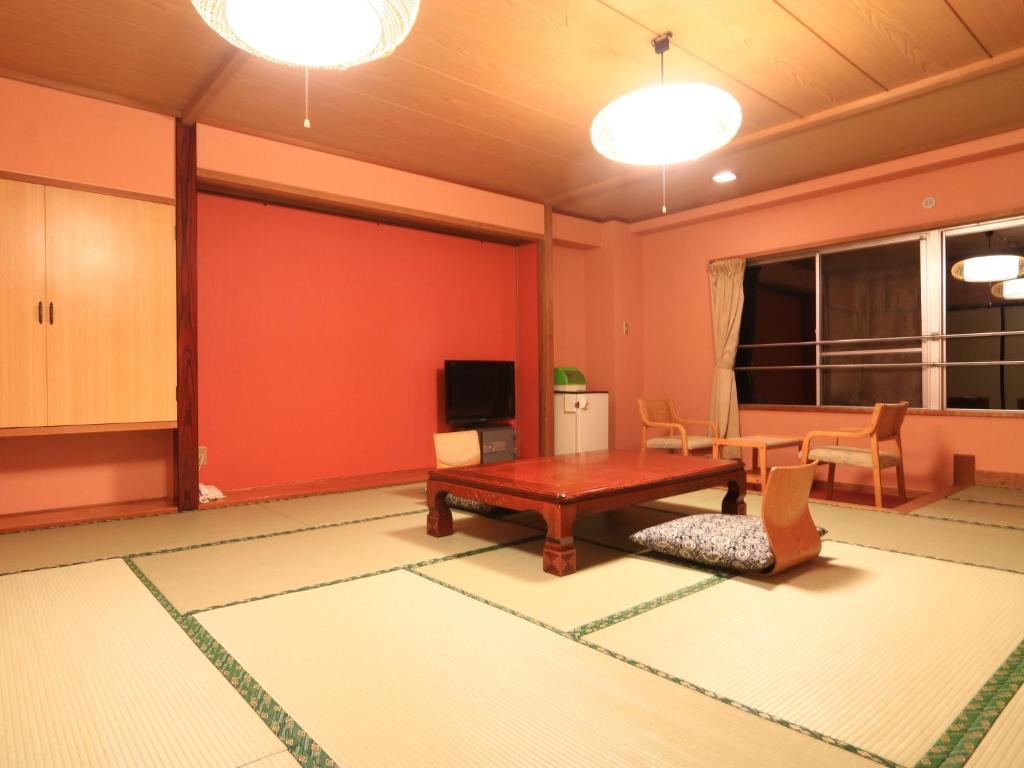
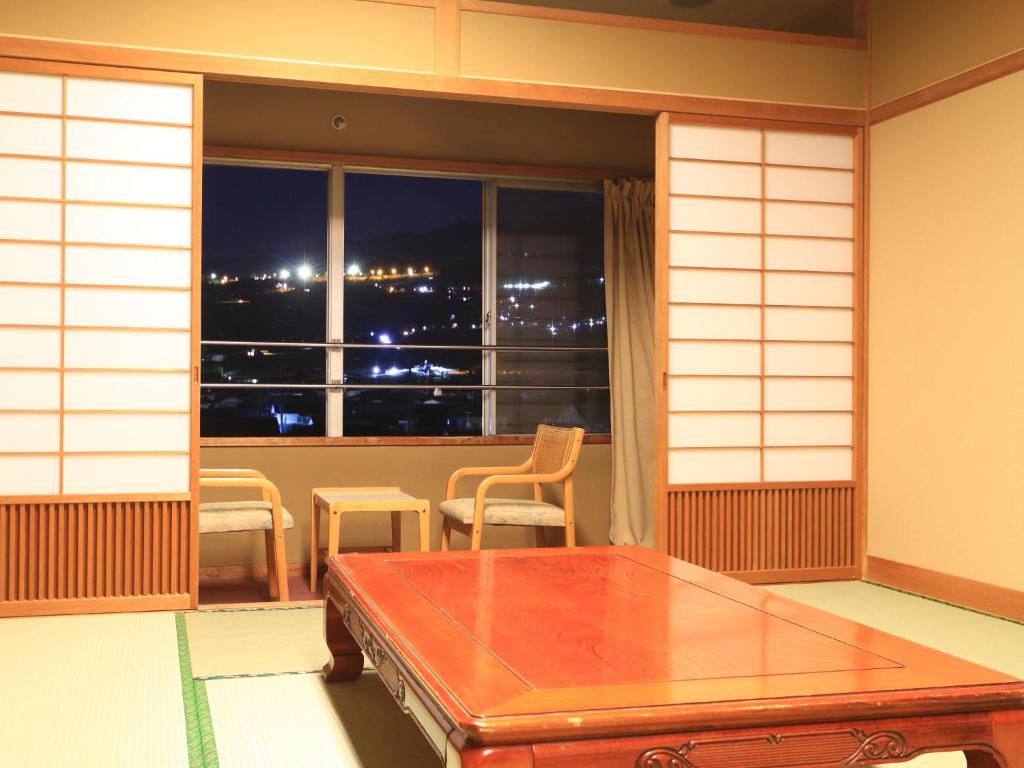
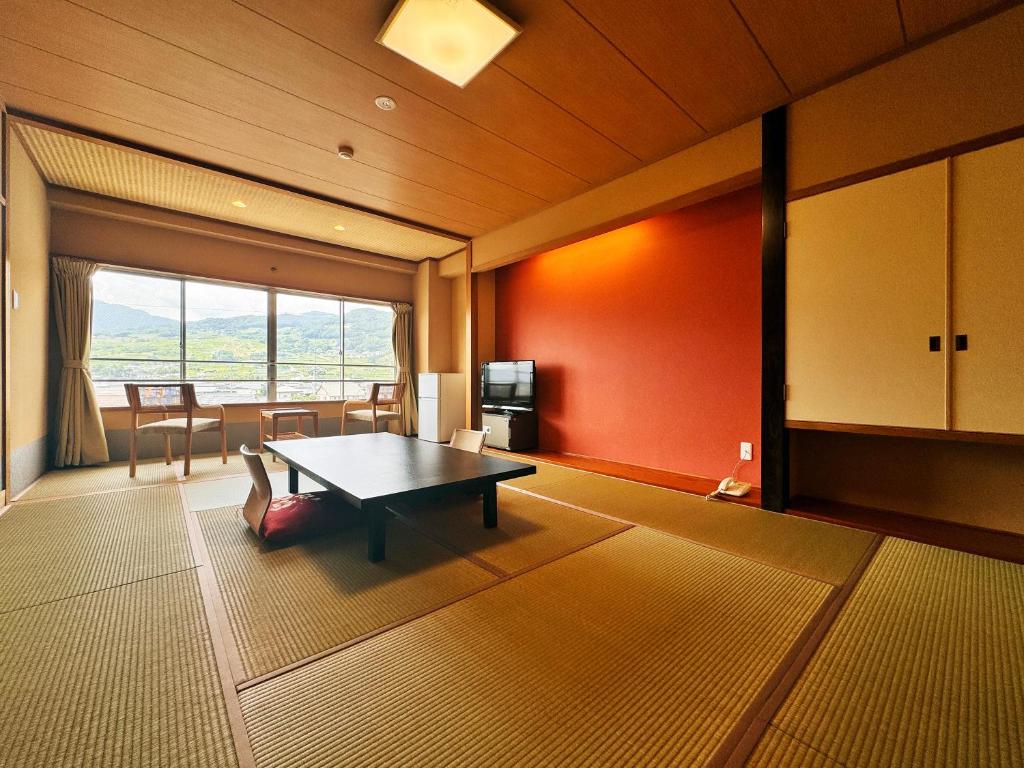
Hotel Uzuraya has 21 Japanese-style rooms with tatami flooring and futon bedding. The room collection includes compact eight-tatami rooms, layouts measuring between eight and 10.5 tatami mats, rooms with ten to 12 tatami mats, and larger spaces measuring between 12.5 and 16 tatami mats.
The smaller rooms create a simple setting for a solo stay or time together as a couple. The larger rooms give you more space to sit with tea, stretch out on the tatami, or share your stay with family and friends.
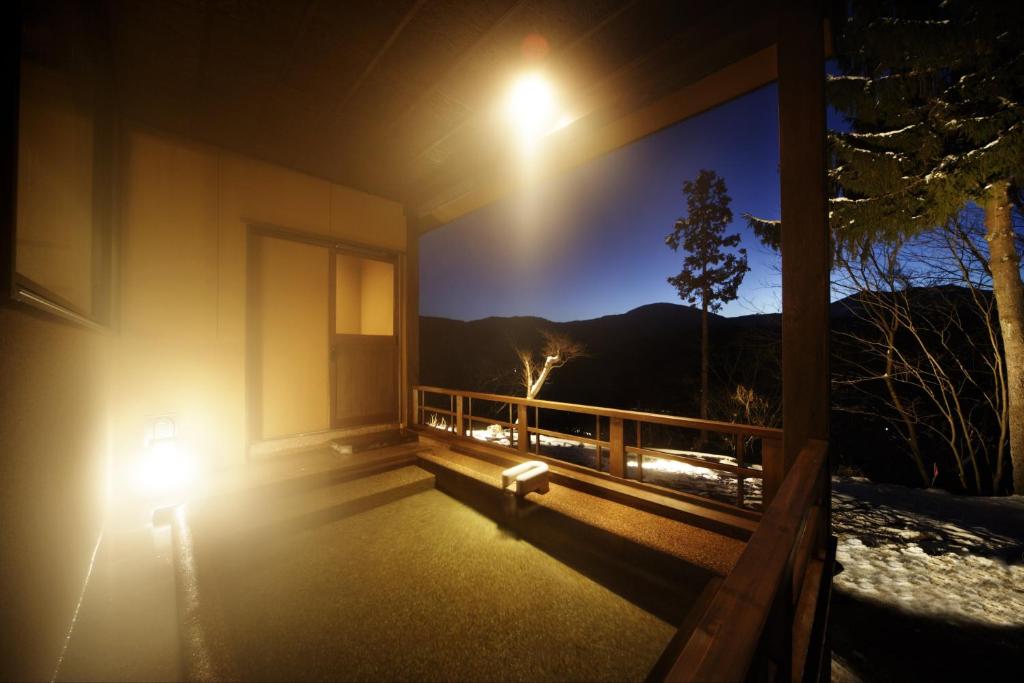
The outlook differs by room. Selected rooms bring in views of the mountains and open countryside around Chikuma, while others face the nearby townscape.
Every room has a private bathroom, washlet toilet, television, freezer-refrigerator, safe, kettle, tea set, telephone, hairdryer, towels, yukata, slippers, and toiletries. Natural hot spring water is available in the shared bathing area rather than the room baths.
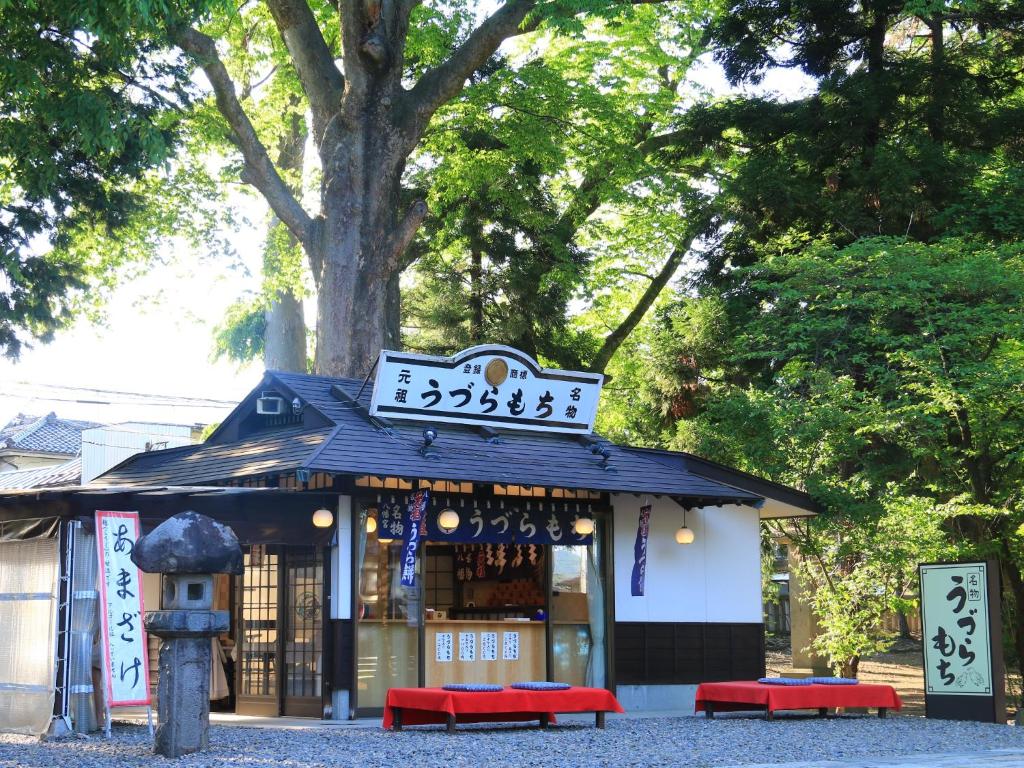
A quail-shaped uzura mochi is prepared in your room as a welcome sweet. Hotel Uzuraya’s first owner created this local speciality, which has a close connection with the nearby Takemizuwake Shrine.
All accommodation is non-smoking, and complimentary Wi-Fi is available throughout the building.
Dining
Dinner celebrates the produce and food traditions of Shinshu through a seasonal Japanese course. The menu changes with the time of year and the ingredients available from the surrounding mountains, rivers, and farms.
The Uzura Gozen may begin with apricot wine and a selection of small dishes such as fig simmered in red wine, sesame tofu, smoked salmon, and crab aspic. Further courses may include tuna carpaccio, seafood and mushrooms in a Shinshu miso hot pot, duck steak, chawanmushi, grilled sweetfish, a clear soup with duck and maitake mushrooms, Sarashina soba, and a seasonal dessert.
The Gekka Gozen follows a similar seasonal structure but places slow-cooked beef tongue stew at the centre of the meal. The tender meat and rich sauce bring a deeper flavour to the dinner while keeping the local appetisers, fish, vegetables, soba, and dessert.
You can also add a platter of horse sashimi or Shinshu-style simmered carp when available. Local sake, fresh sake, shochu, and other drinks from Nagano complement the food.
Breakfast is served as a balanced Japanese set meal. Tofu is warmed at your table and accompanied by rice, soup, vegetables, fish, and small morning dishes.
Meal adjustments are available for shrimp, crab, buckwheat, peanuts, and walnuts when requested before arrival. All food is prepared in one shared kitchen, so complete separation from allergens cannot be guaranteed.
Onsen and Wellness
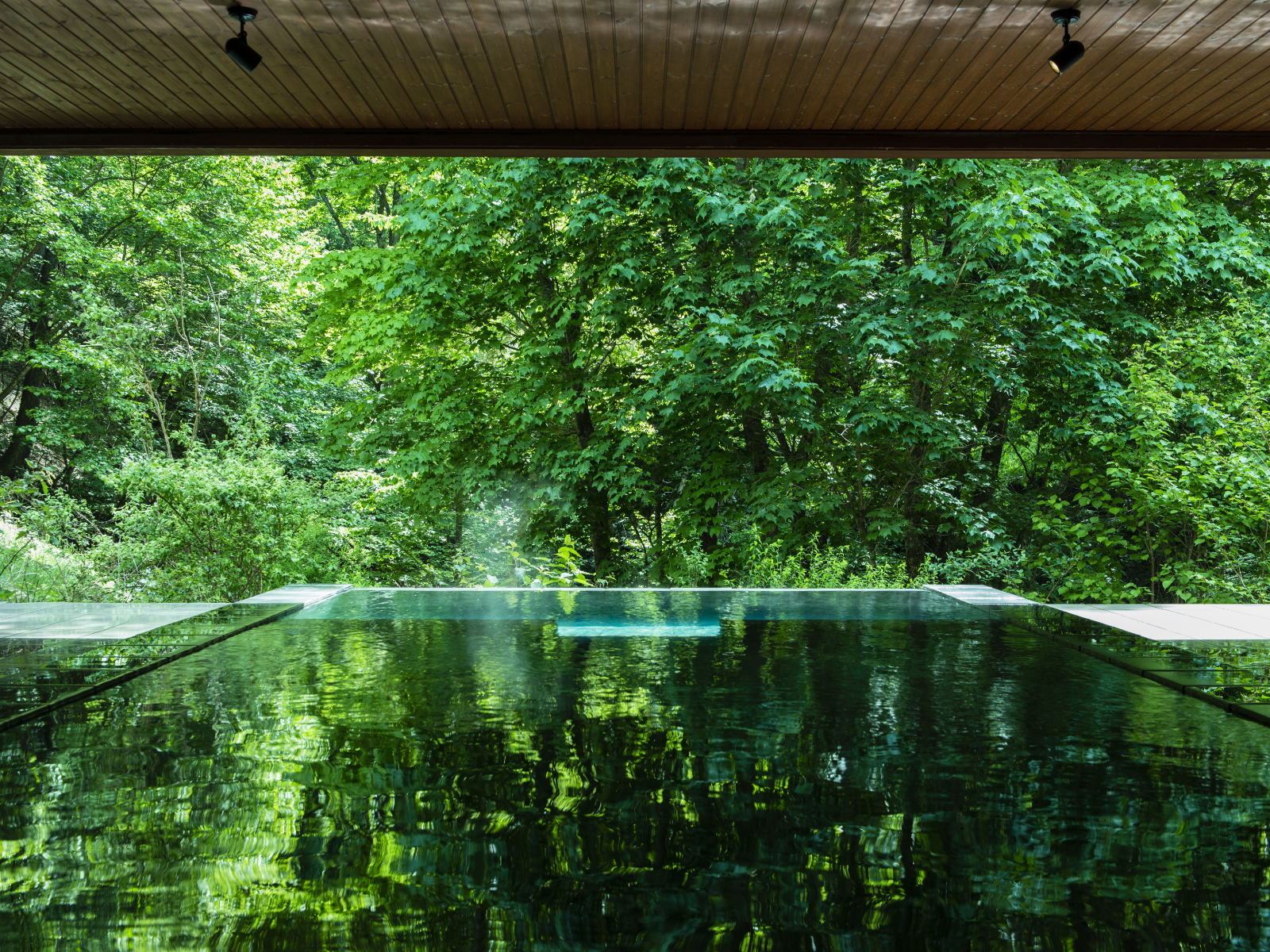
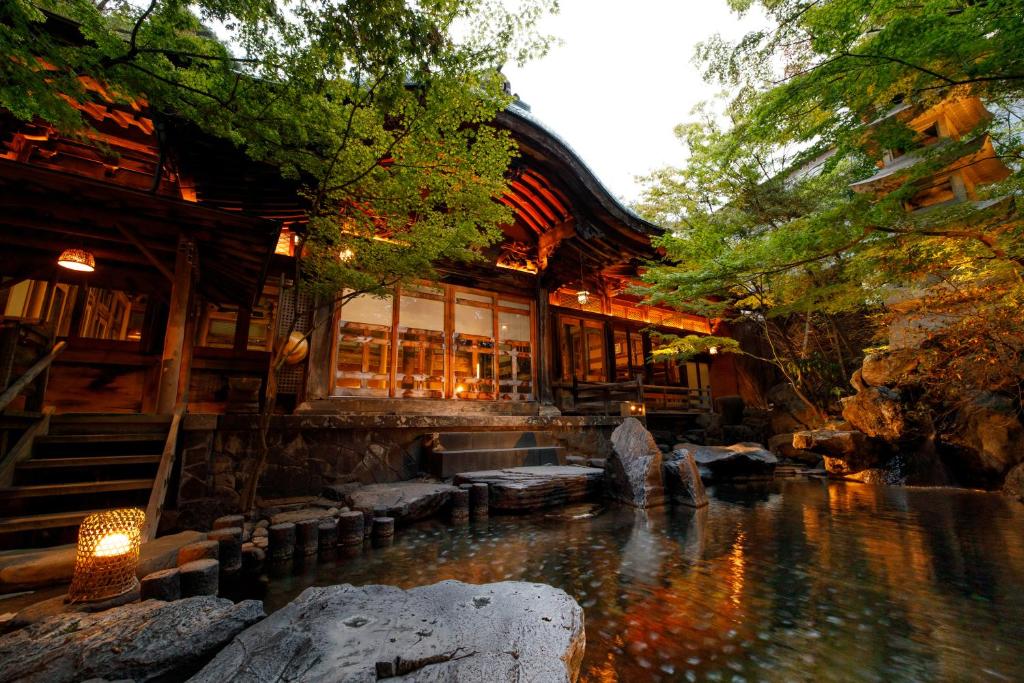
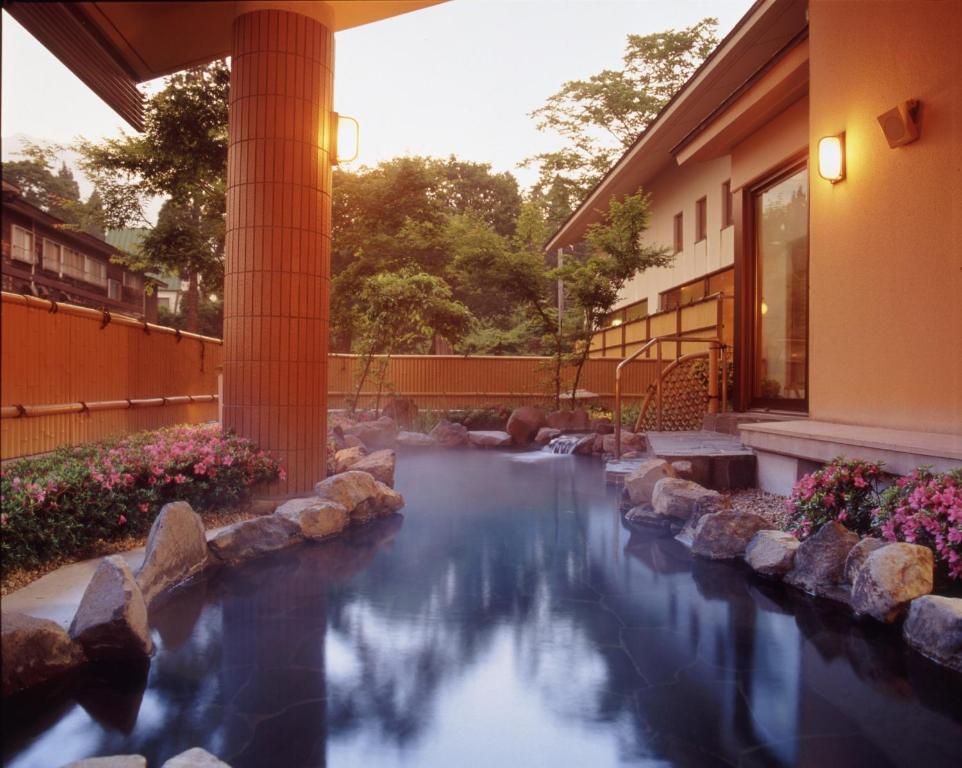
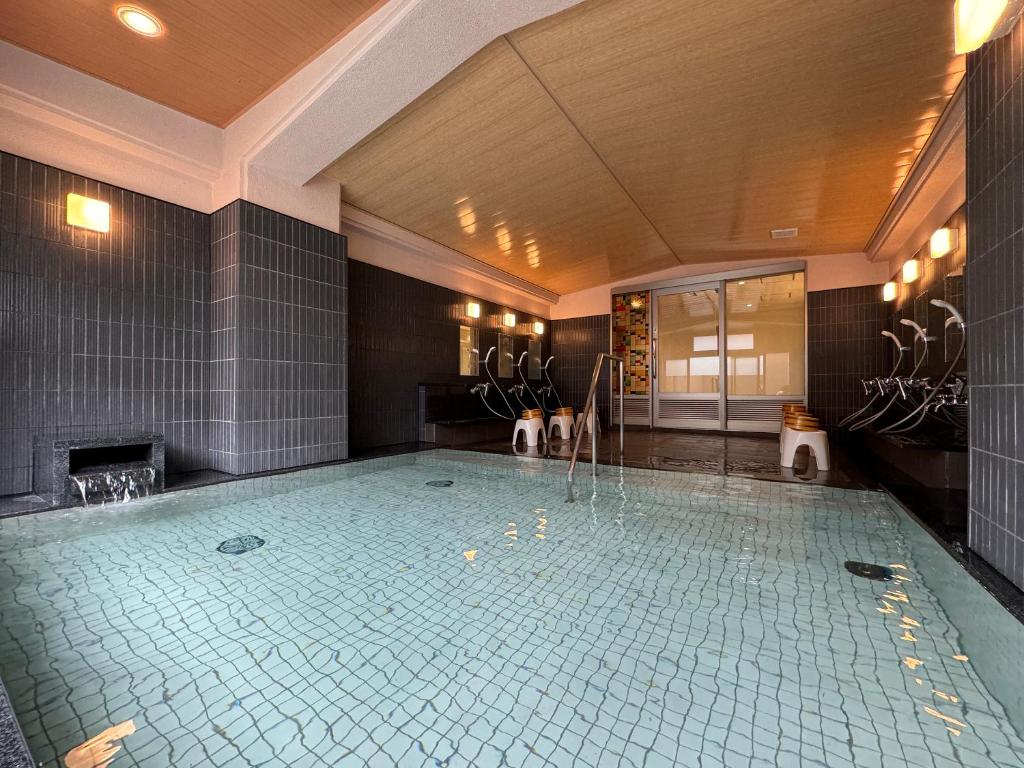
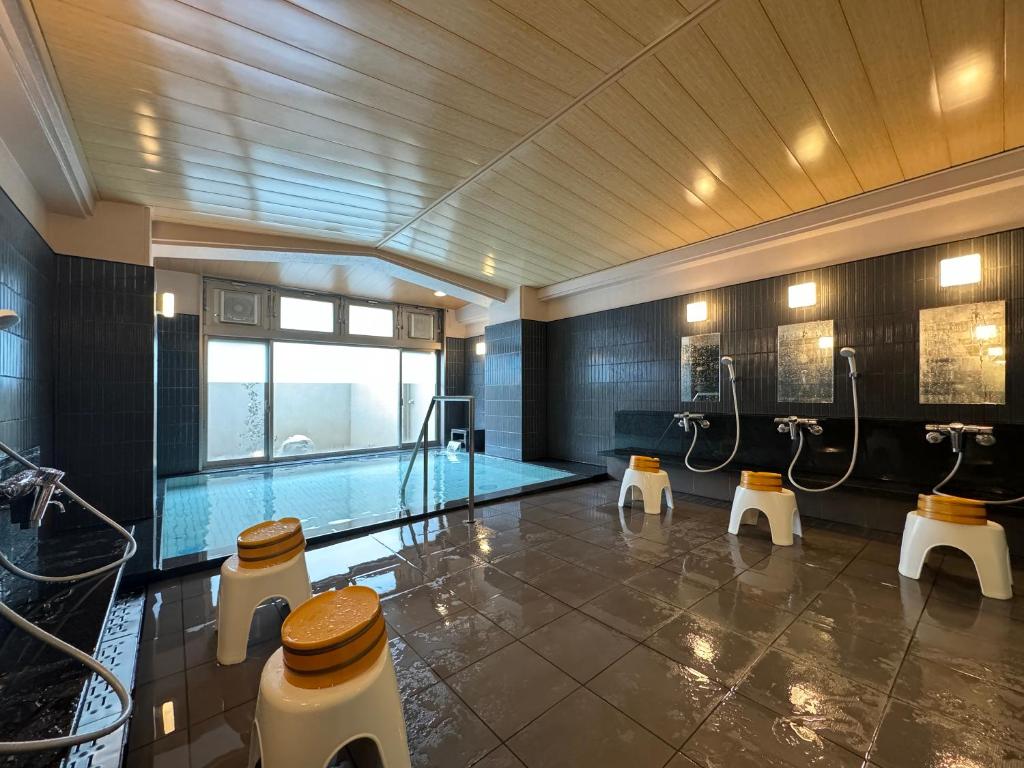
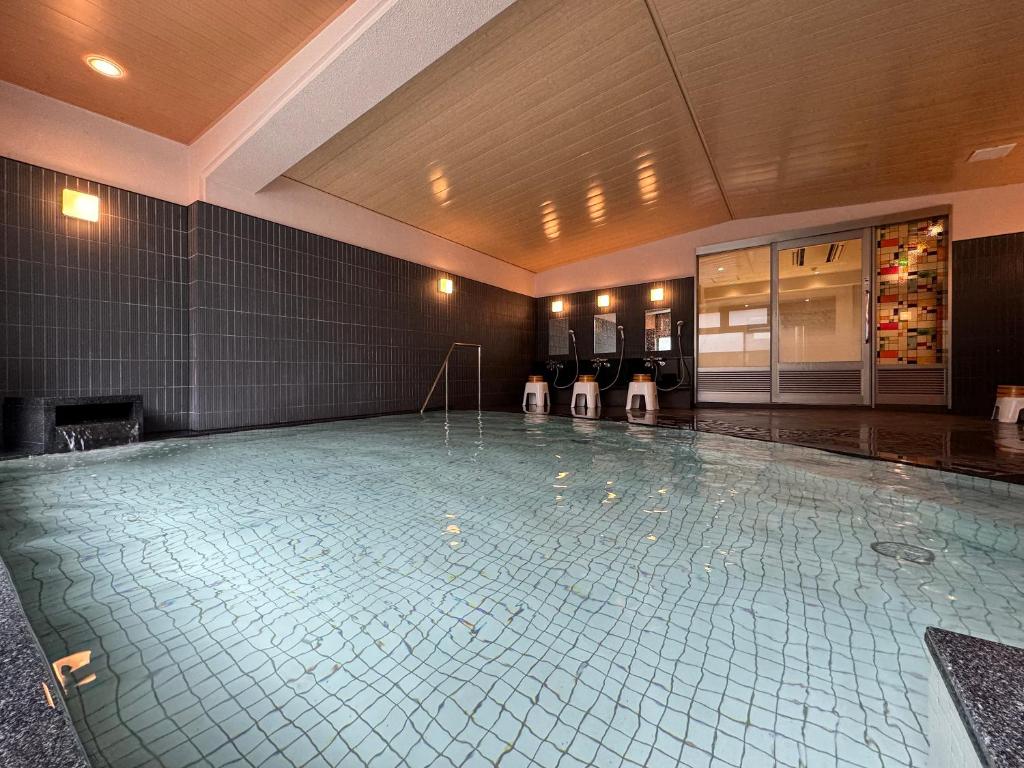
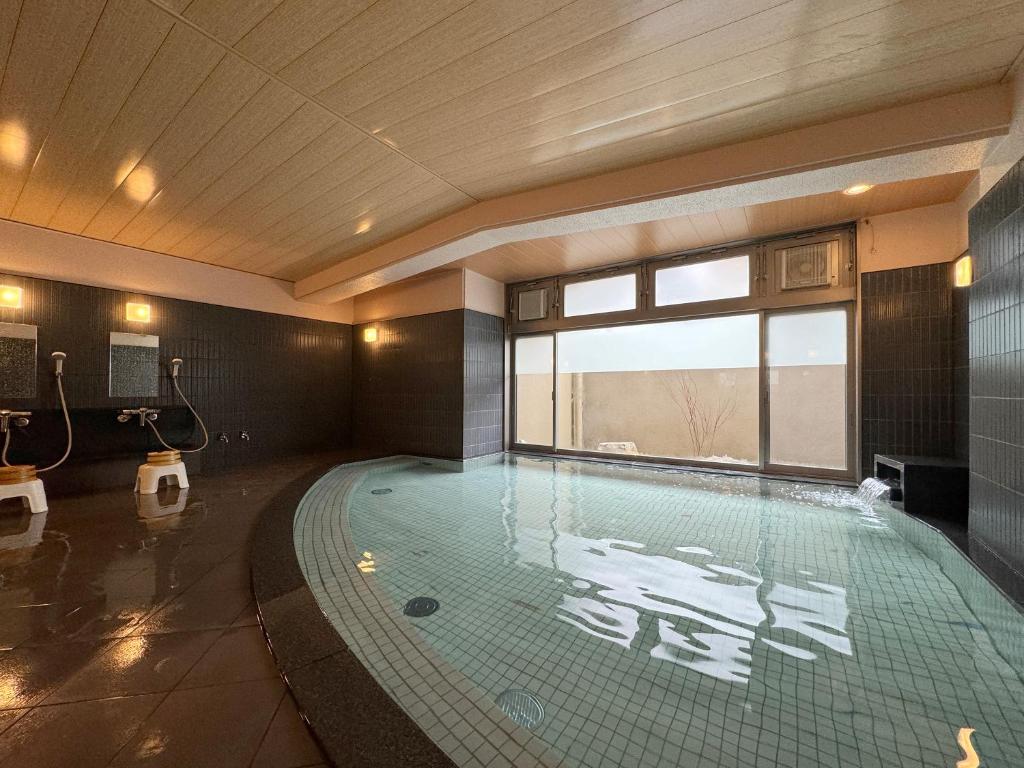
The shared baths use natural water from Sarashina no Yu Yawata Onsen. The spring is classified as a hypotonic neutral spring, giving the water a mild character that feels gentle during a longer soak.
The source emerges at approximately 17.1°C with a pH of 6.8, so the water is heated before bathing. Its composition includes metasilicic acid and iron, which allow it to qualify as a natural hot spring under Japanese law.
Traditional bathing indications include neuralgia, rheumatic discomfort, sensitivity to cold, minor cuts, and fatigue recovery. The warmth remains with you after leaving the tub, making the bath especially welcome after sightseeing or spending time outdoors.
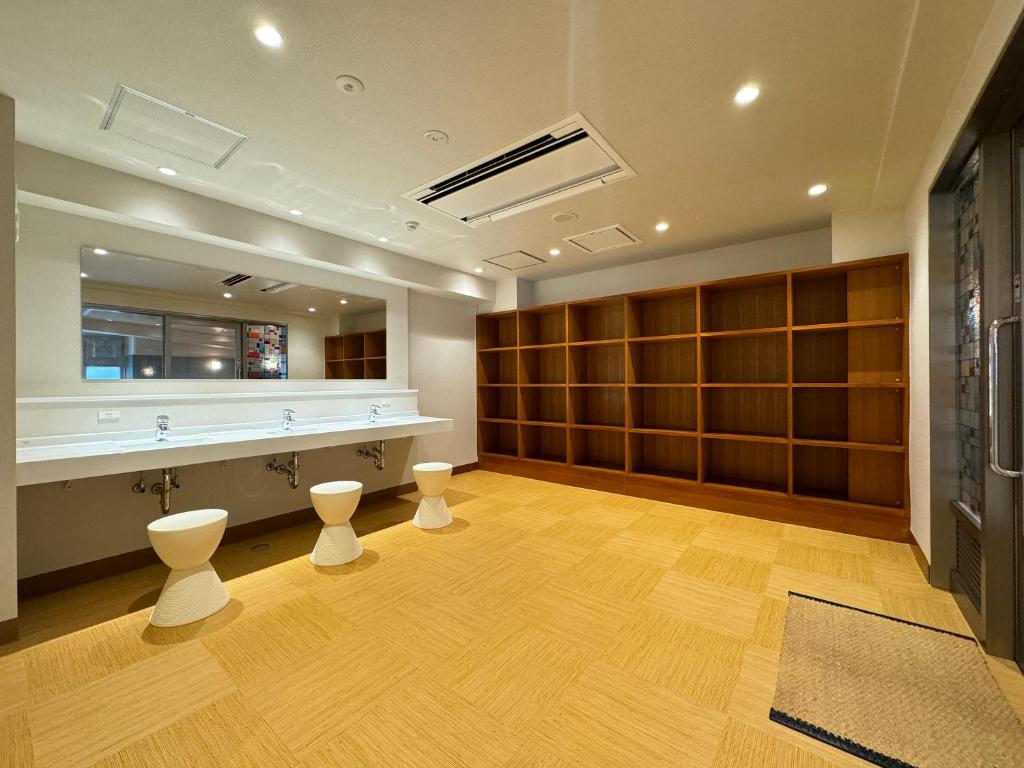
Separate indoor baths serve men and women. Both have wide tubs where you can stretch your legs, along with handrails that make entering and leaving the water easier.
The baths are available around the clock, apart from cleaning or maintenance periods. You can bathe after dinner, late in the evening, or before breakfast without following a short bathing schedule.
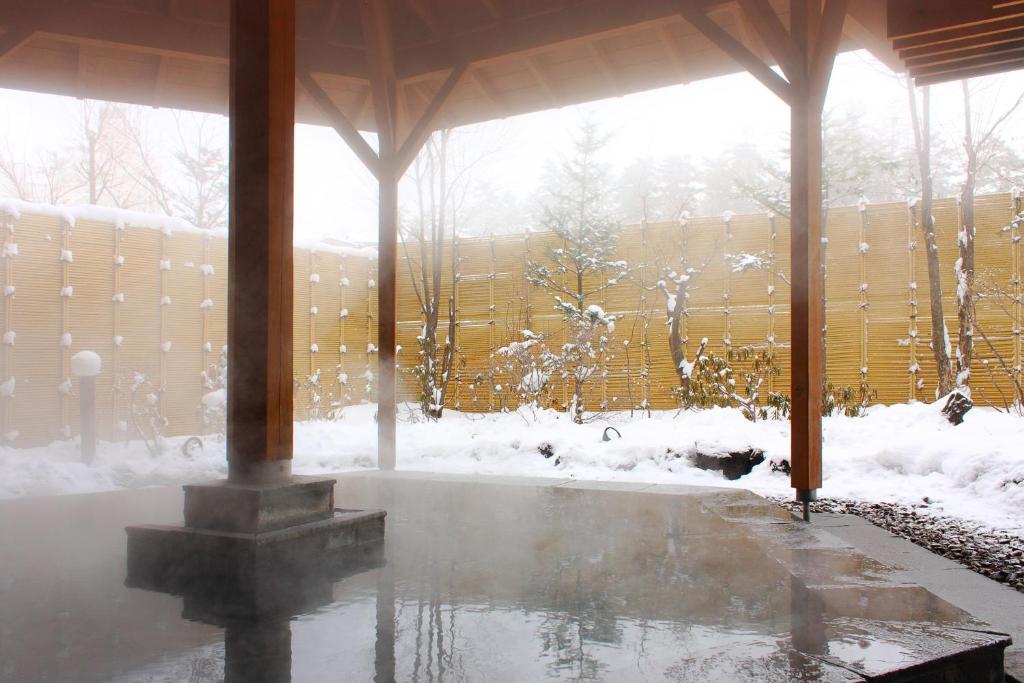
Hotel Uzuraya does not have an open-air bath, sauna, reservable private bath, or room with its own natural onsen.
Guests with Tattoos
If you have tattoos, you cannot use the shared indoor baths.
There is no reservable private bath or in-room onsen, so a separate hot spring bathing option is not available inside Hotel Uzuraya.
Facilities
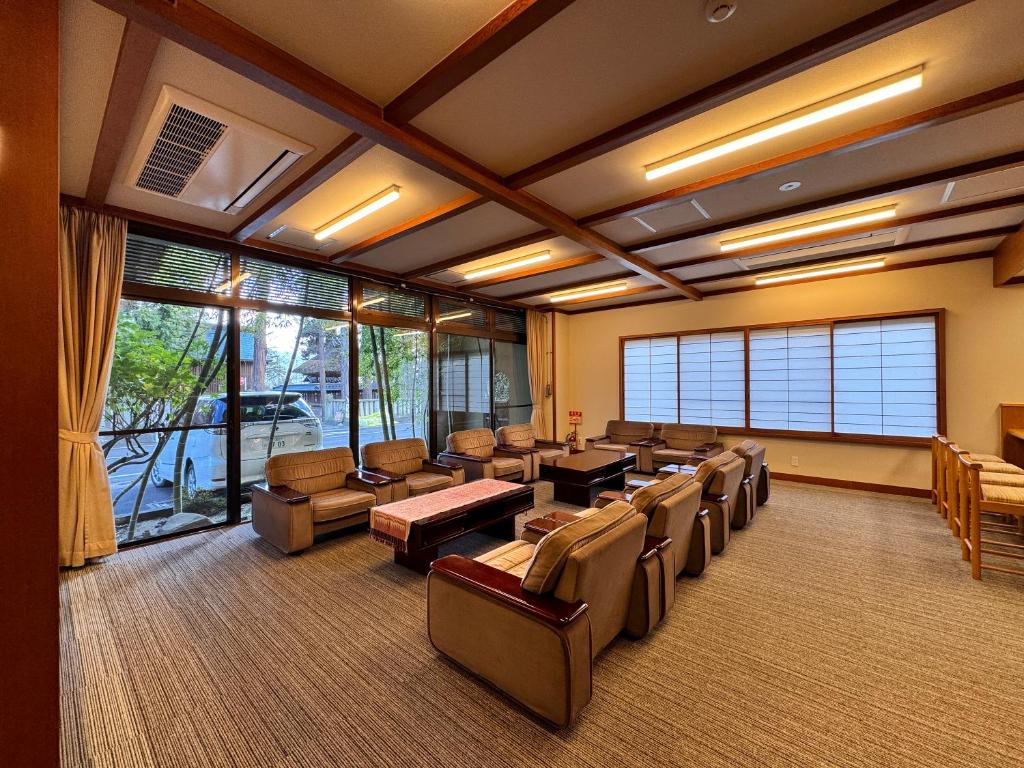
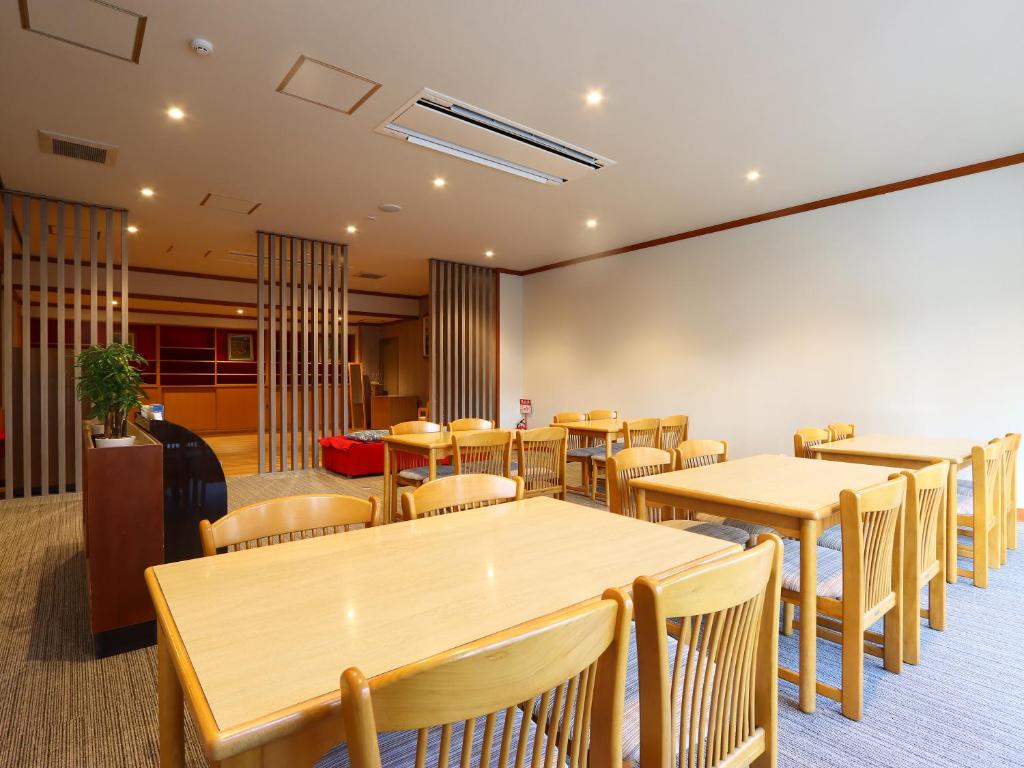
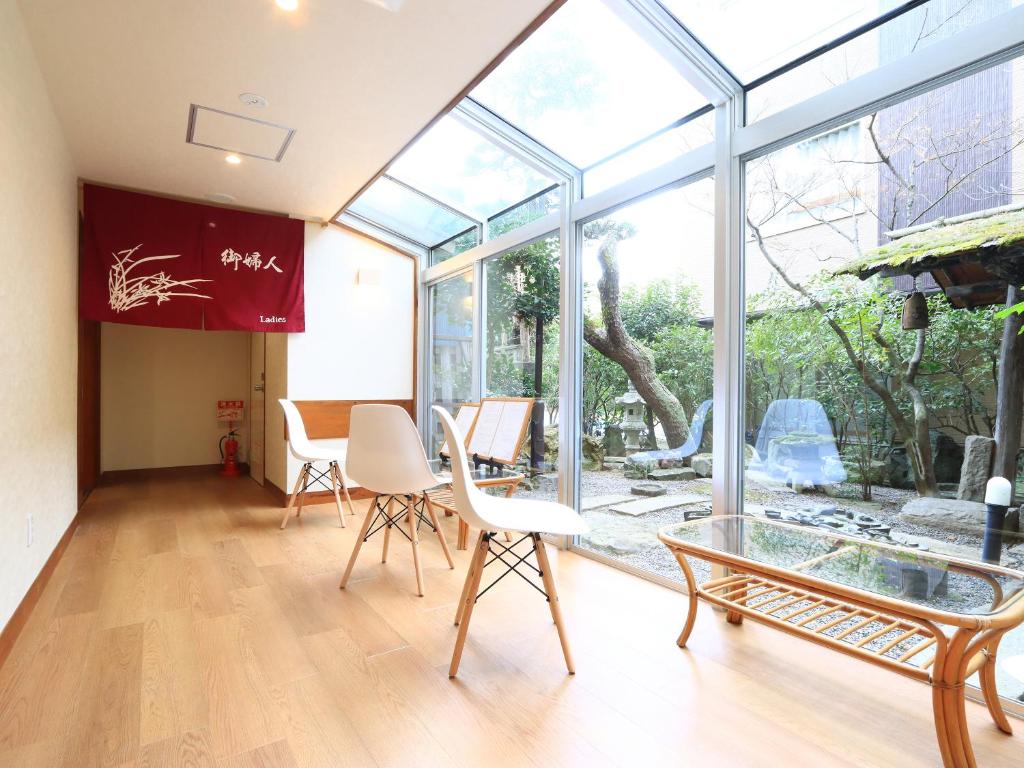
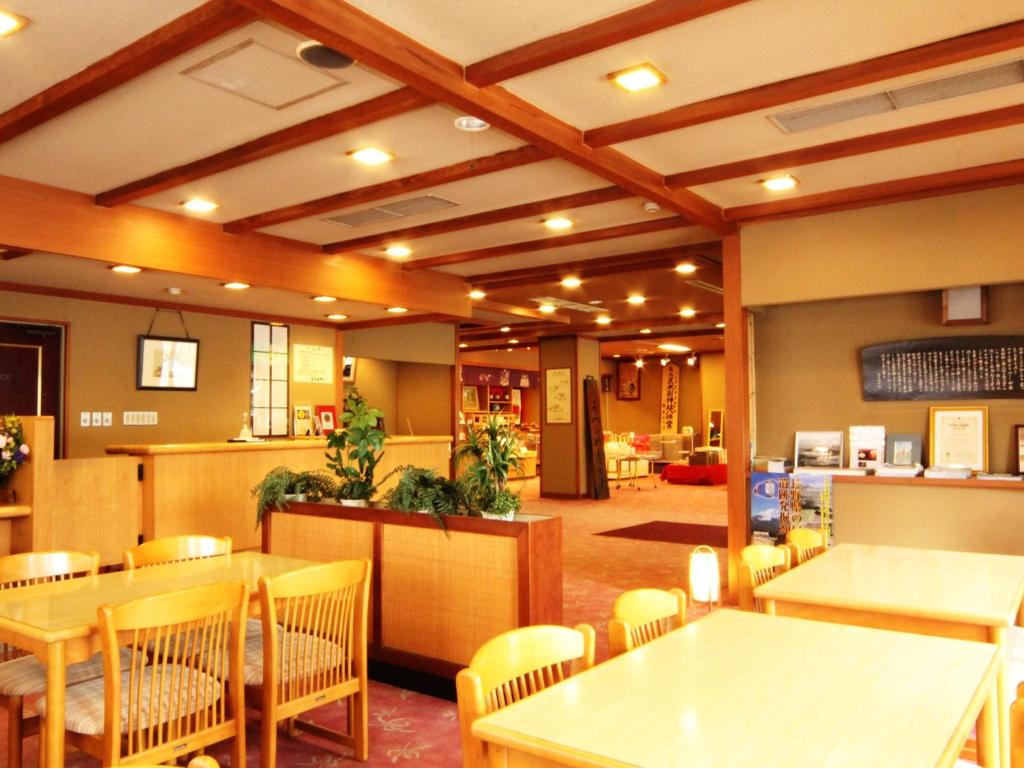
The lobby lounge gives you a comfortable place to sit after arriving or before heading out for the day. Complimentary Wi-Fi is available throughout the building, including the rooms and shared spaces.
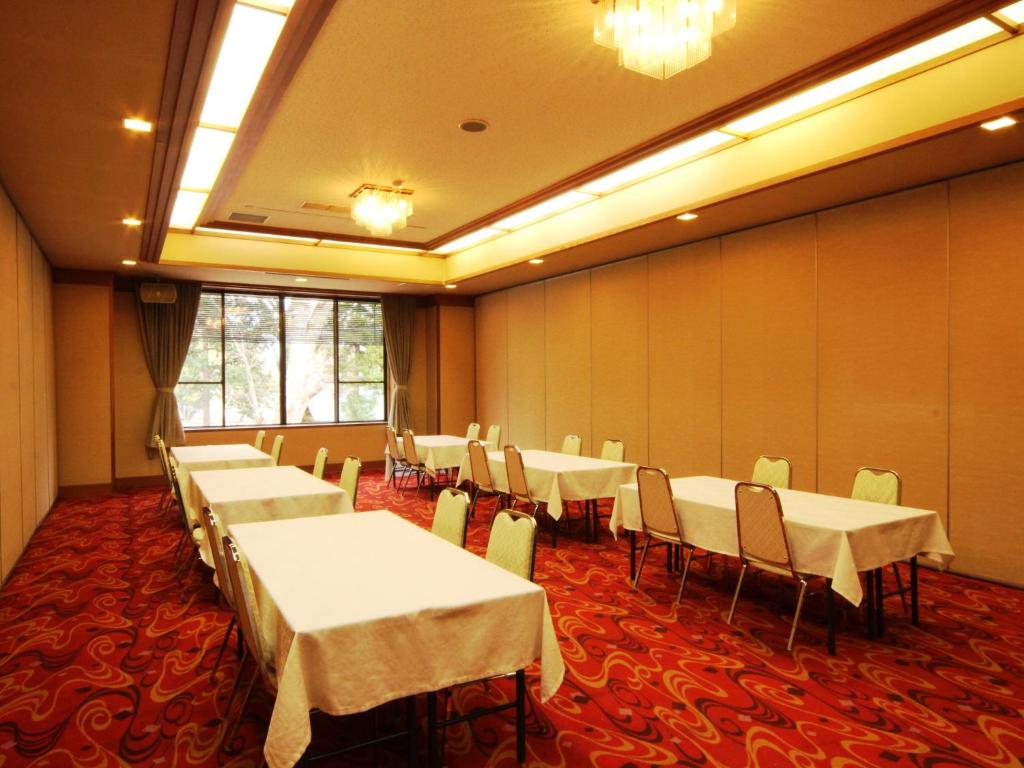
Meals are served in the main dining area. Three banquet halls can be combined for larger celebrations, memorial gatherings, meetings, or organised group meals.
A coin laundry includes three washing machines and one dryer, making the ryokan suitable for a longer stay. Soft-drink vending machines are also available.
You can arrange a massage by making your request before the daily deadline. Luggage storage and parcel-delivery services are available through the front desk.
An elevator connects the main floors. Handrails are fitted beside the large bath, entrance ramp, and stairways, while a wheelchair can be borrowed when reserved in advance.
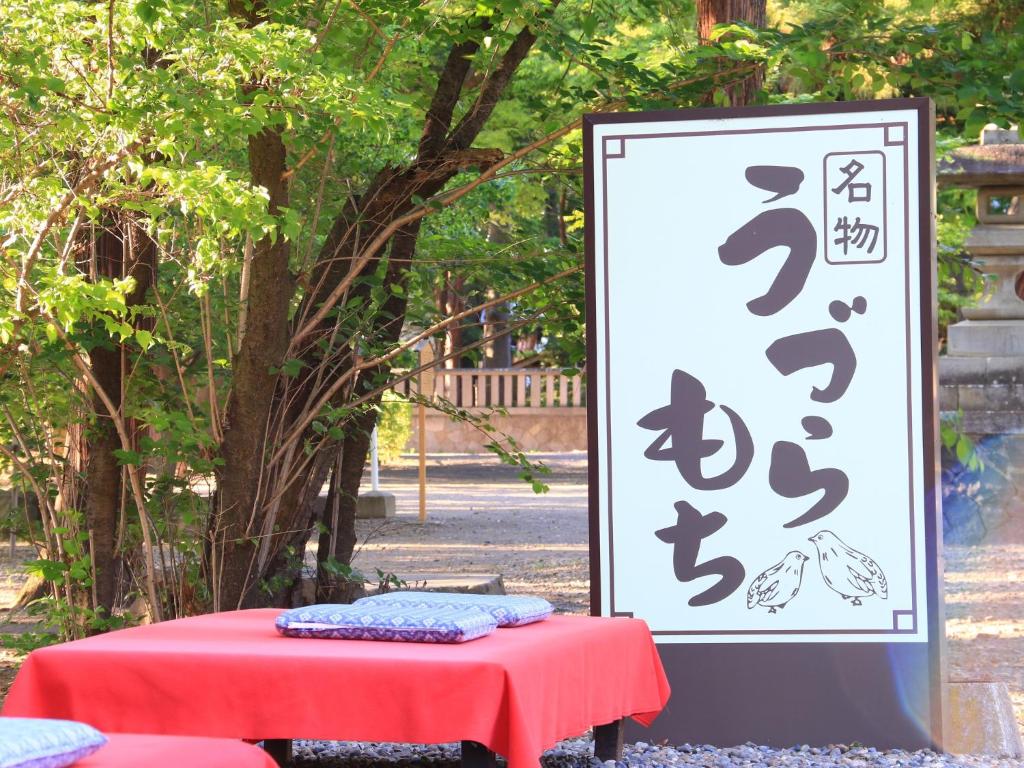
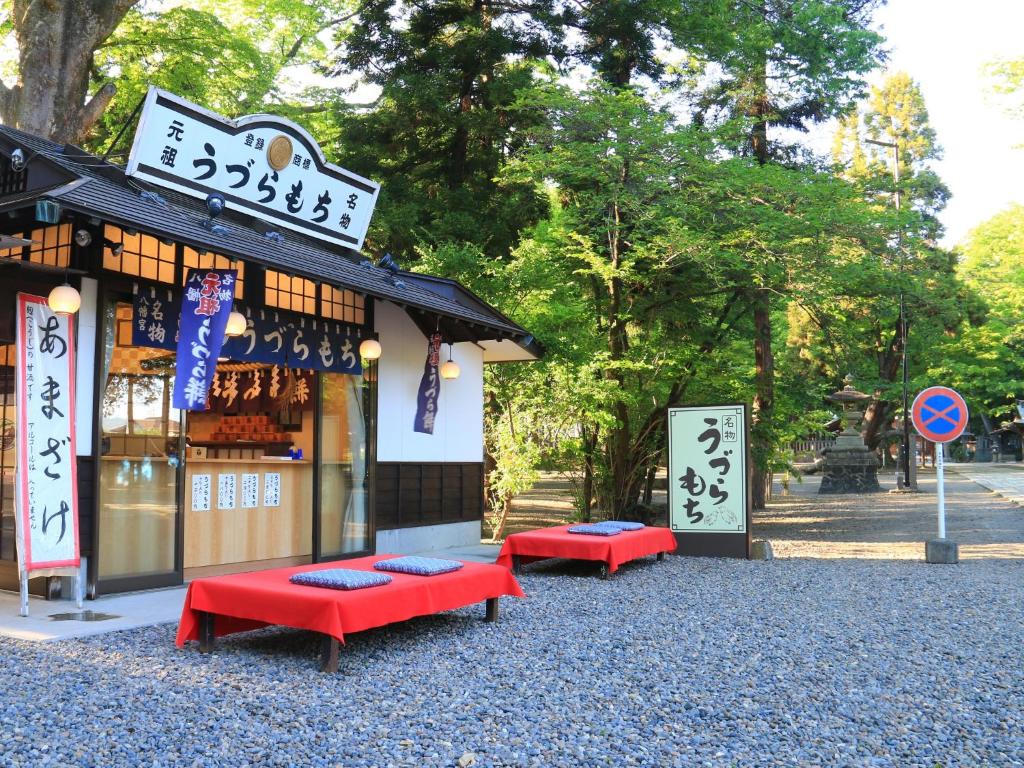
Uzura mochi can be purchased at the ryokan or at the tea house inside the grounds of nearby Takemizuwake Shrine.
Activities
Explore the Obasute rice terraces, one of Nagano’s best-known cultural landscapes. Around late spring, water fills the paddies before rice planting, creating the conditions for the moon to appear across several fields as Tagoto no Tsuki.
The hillside also provides broad views across the Chikuma River and Zenkoji Plain. Around sunset and after dark, the lights spread across the valley below. Obasute Station offers another elevated viewpoint and is known for its railway switchback.
Takemizuwake Shrine is a short walk away. The shrine is one of Shinshu’s three major Hachiman shrines and has a long connection with the local community, the ryokan’s name, and its quail-shaped mochi.
Zenkoji Temple is around 45 minutes away by car. You can also reach Ueda Castle and Obuse in around 35 minutes, Matsumoto Castle in around 50 minutes, and Togakushi in around 70 minutes, depending on road conditions.
The apricot-growing areas around Chikuma bring pink blossoms to the hills during spring. Autumn changes the fields and surrounding mountains to warmer colours, while clear winter nights provide crisp views across the valley.
Additional Features
Check-in begins at 15:00. Arrive by 18:00 when dinner is included or by 21:00 for a breakfast-only or room-only stay. Check-out is by 10:00.
Yashiro Station is around ten minutes away by bus or taxi. A shuttle may be arranged in advance, depending on your transport needs and availability.
Complimentary parking is available for cars and larger vehicles. The entire building is non-smoking, with a designated smoking area outside.