

Overview
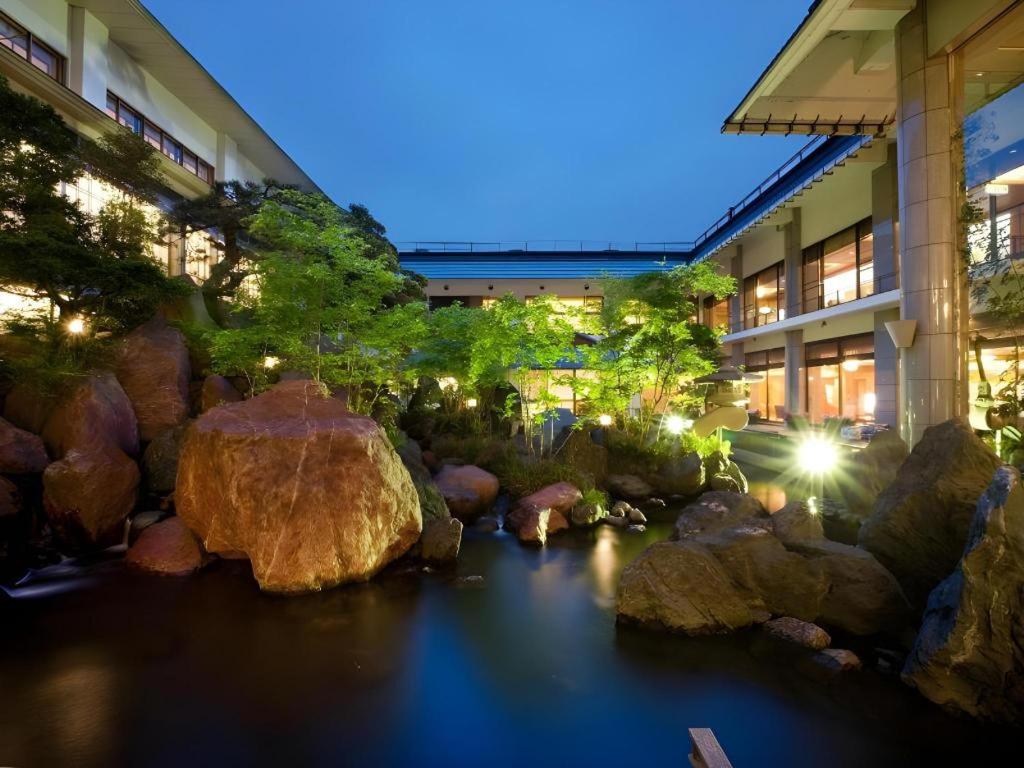
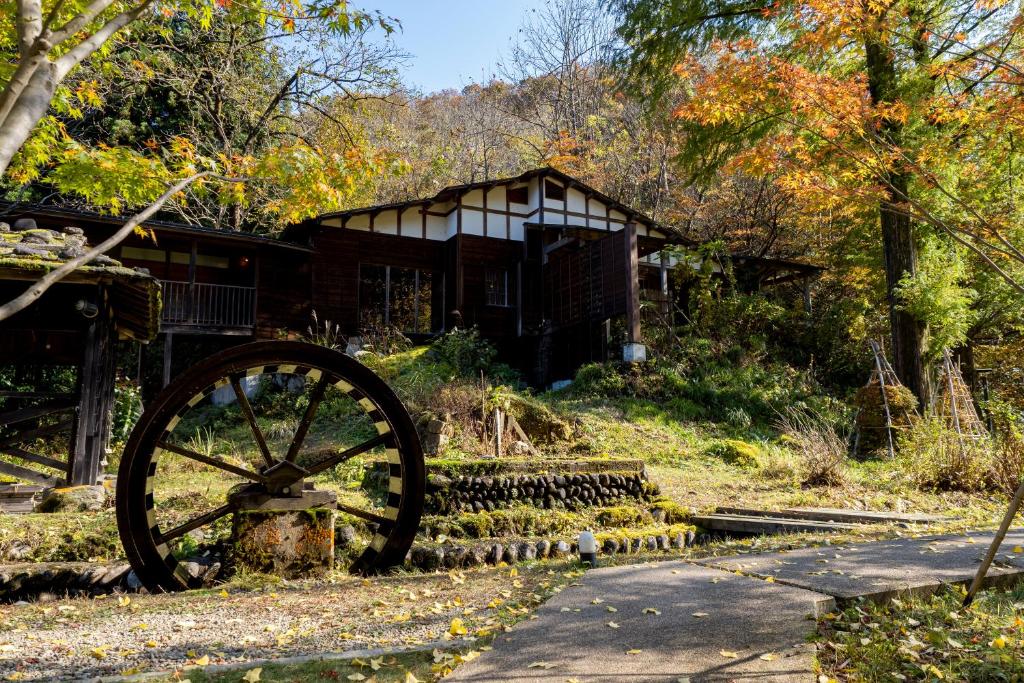
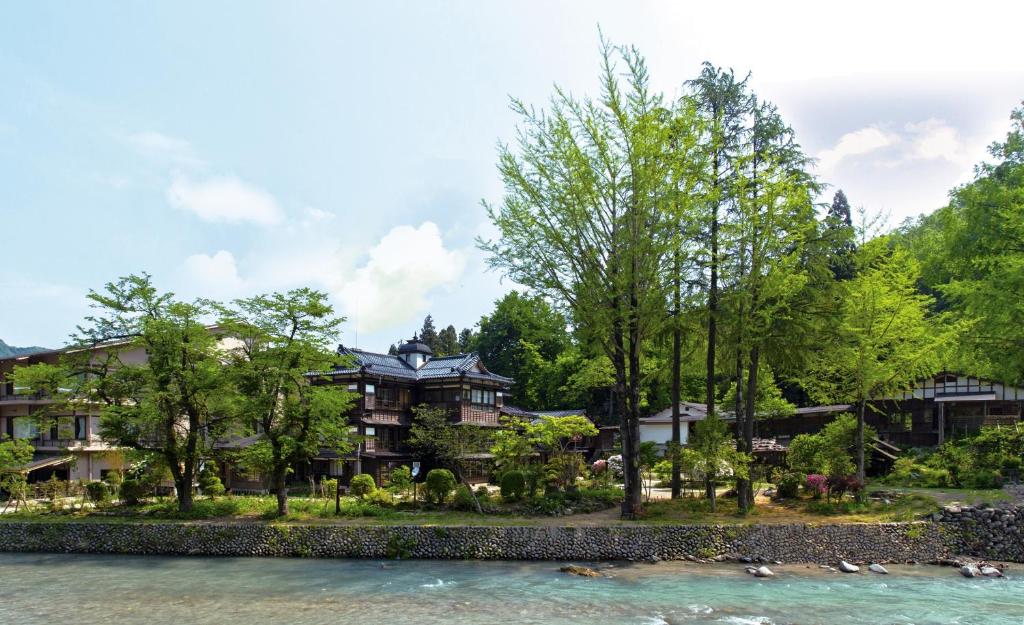
Rankeiso, officially Myosen Waraku Rankeiso, stands beside the Sumon River in Echigo-Nagano Onsen, a quiet mountain area of Sanjo, Niigata. You stay in a single ryokan surrounded by woodland, flowing water, seasonal flowers, and heavy winter snow. The atmosphere feels traditional, honest, and closely tied to the land.
The ryokan’s story began around 100 years ago, when founder Yasokichi Otake spent two years digging a well by hand. Instead of oil, the well revealed a salty cold mineral spring with a deep mineral character. That spring became the heart of the inn and was once used as a healing bath and even sold as medicine.
Rankeiso belongs to the Japan Association of Secluded Hot Spring Inns and includes Ryokufukan, a wooden building registered as a National Tangible Cultural Property. You come here for a true countryside onsen stay: strong saline water, river views, handmade mountain cuisine, old timber buildings, and a pace that lets you settle into the sound of the stream.
Accommodation
Rankeiso has 17 rooms across three buildings: Ryokufukan, Keiryukan, and Suiyukan. Each building gives you a different experience, so your choice shapes the mood of your stay.
Ryokufukan is the historic wooden main building and was registered as a National Tangible Cultural Property in 2012. It was originally built near Tsubame Station in the early Showa period as Ogawaya Ryokan, then moved to Rankeiso in 1955. The building has five rooms on the second and third floors, each with its own layout and old-style decorative details. Some rooms have a private toilet, while others use shared toilets and washbasins on the same floor. Because Ryokufukan is an older wooden structure, sound can carry more easily between rooms.
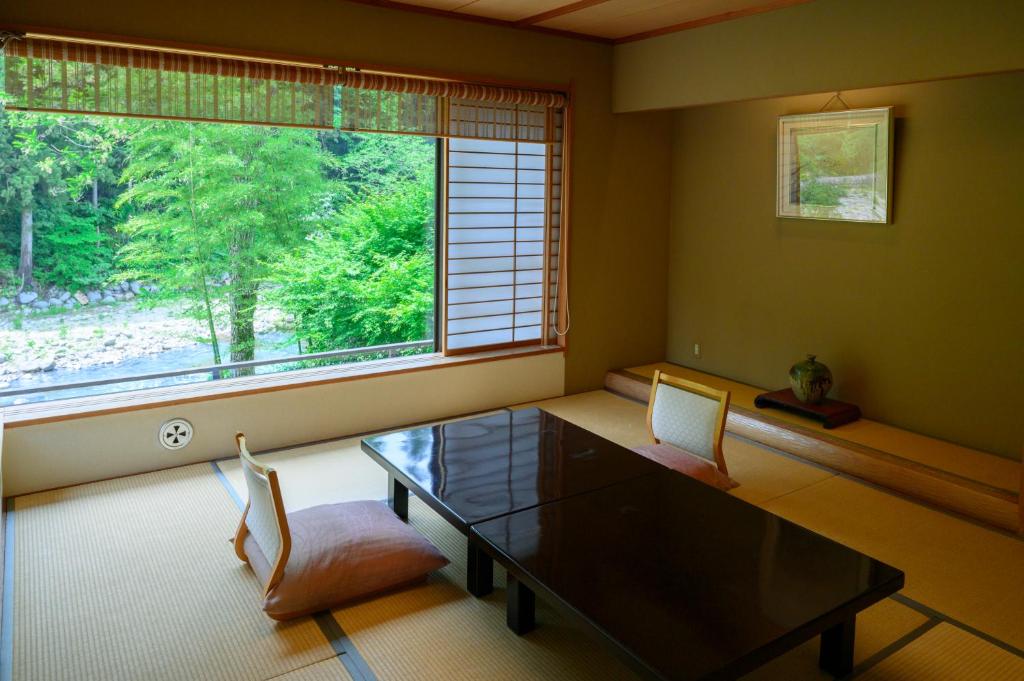
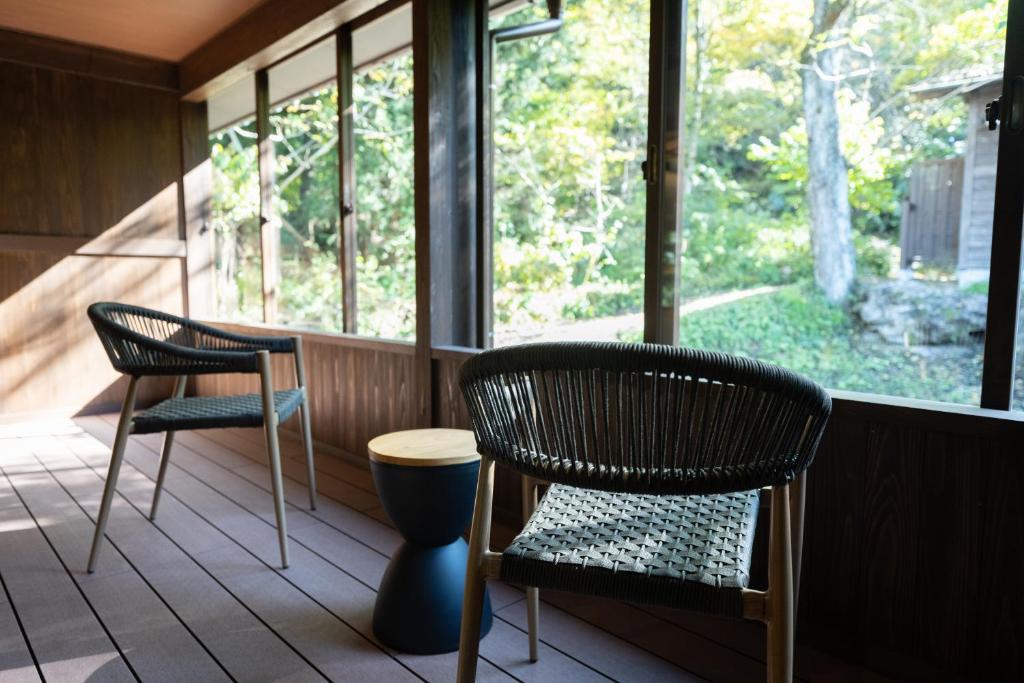
Keiryukan sits beside the river and gives you rooms with wide windows facing the valley scenery. The second-floor rooms have ten tatami mats, while the third-floor rooms have ten tatami mats plus an engawa-style seating area with a table and chairs. These rooms include a unit bath and toilet. The larger second-floor room, Shakunage, has 20 tatami mats and a private toilet located across from the room. Keiryukan also has mizuyā areas in the rooms where you can use Maki no Shimizu, the mountain spring water used throughout the ryokan.
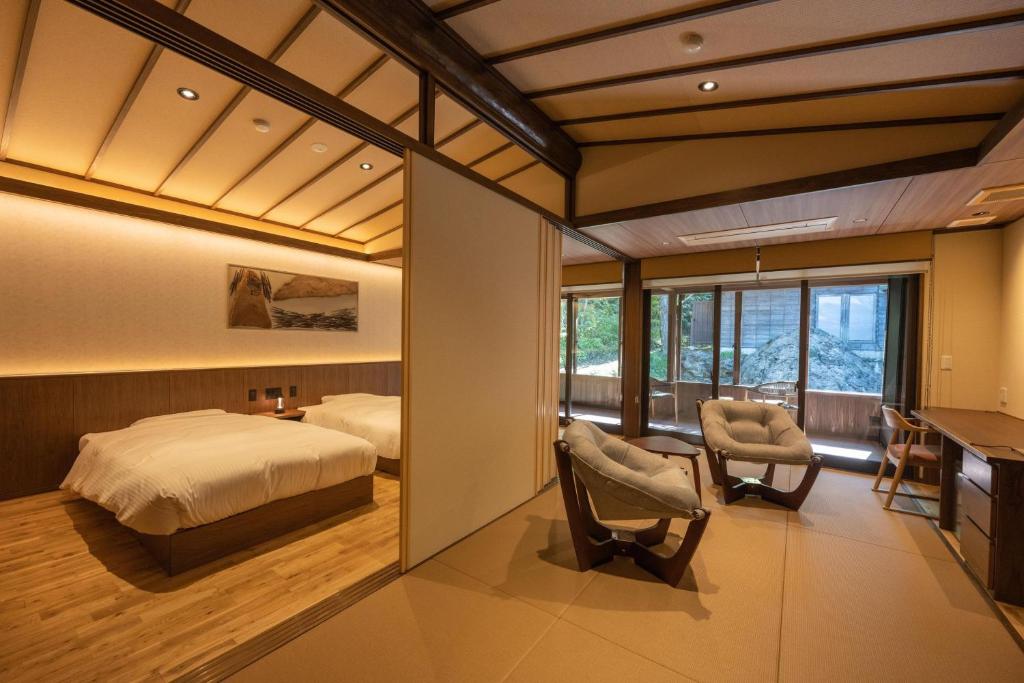
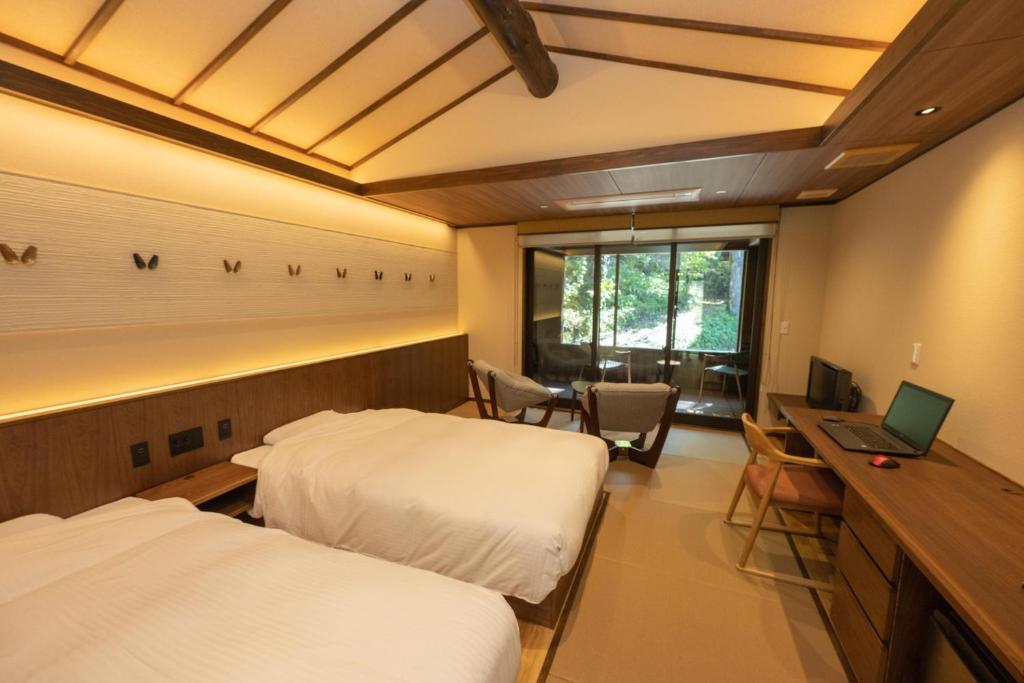
Suiyukan reopened in 2022 as a single-storey building on the mountain side near Yama no Yu. These rooms combine tatami flooring with beds, making them easier to use when you prefer not to sleep on futons. The rooms have terraces, desks, Wi-Fi, and wired LAN, so they also work well for a longer stay or quiet remote work. Hanaikada has 12.5 tatami mats and two beds, while Mizuki has 20 tatami mats, two beds, and additional sleeping options when needed. Local craft details from the Tsubame-Sanjo area appear in the room design.
Children’s yukata and baby racks can be prepared when needed. In Japanese-style rooms, a simple rental bed may be available when sleeping on the floor is difficult, depending on the room and your group size.
Dining
Dining at Rankeiso reflects the mountains, rivers, and fields of Niigata. The kitchen uses Maki no Shimizu, the natural spring water that flows through the property, because the ryokan does not use city tap water. This gives soups, rice, tofu, and simmered dishes a clear and gentle taste.
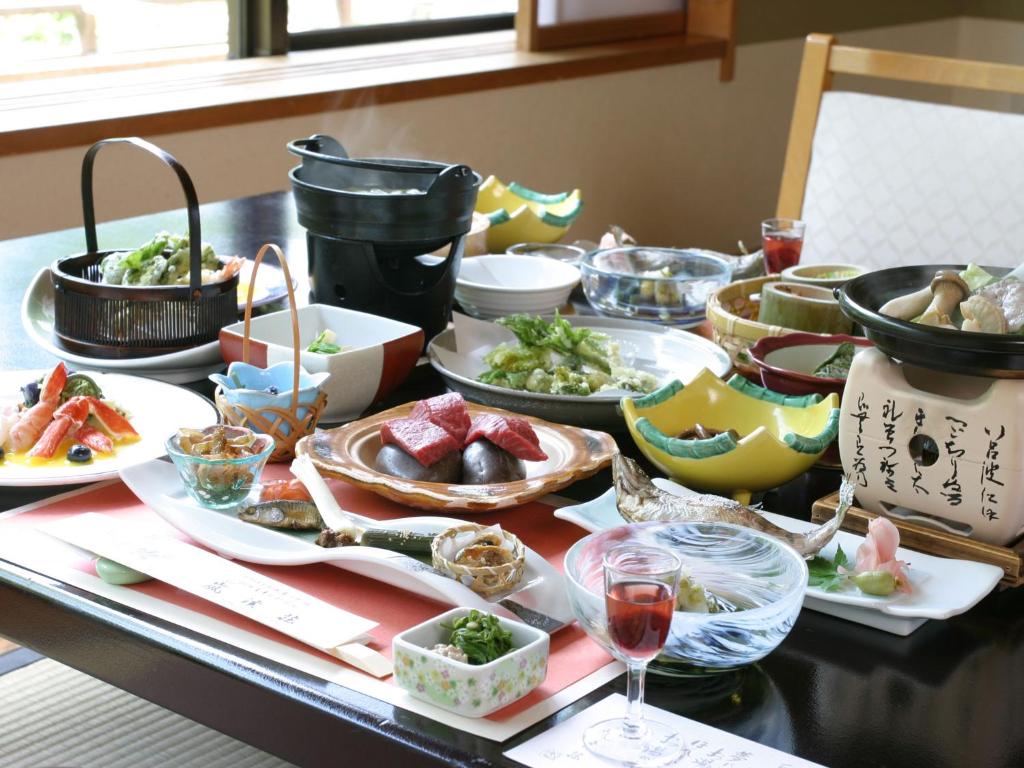
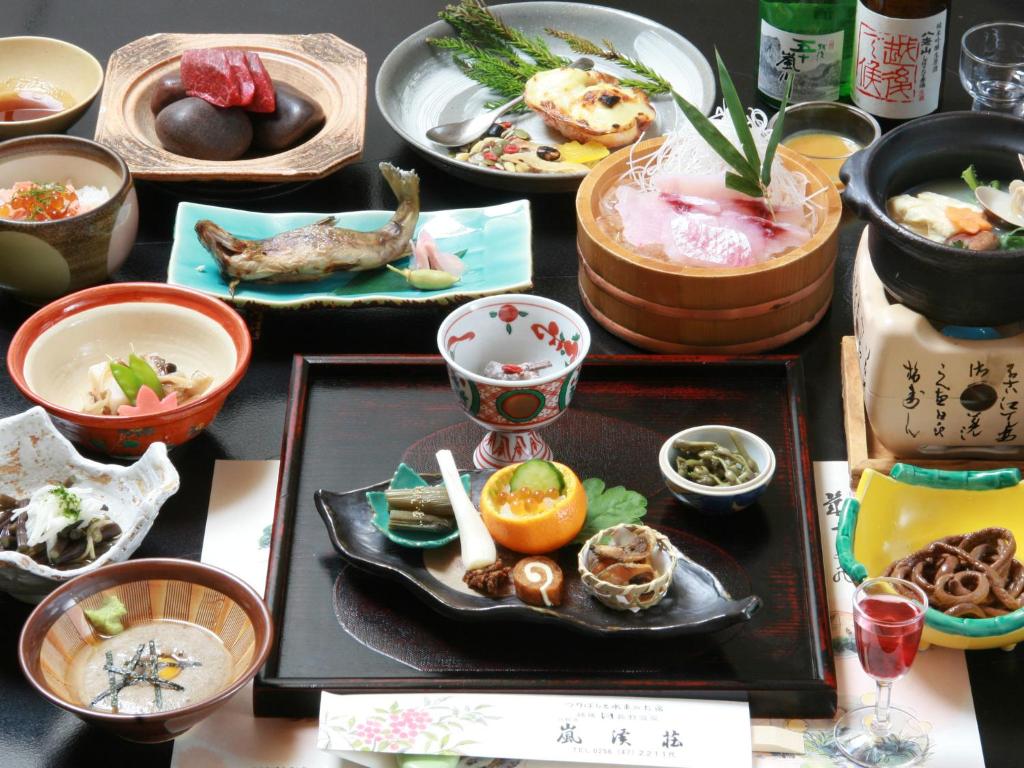
Dinner centres on Sansato Kaiseki, a mountain village kaiseki meal prepared with seasonal ingredients. You may enjoy wild vegetables, rice, local vegetables, river fish, carp arai raised in clear water, and dishes that reflect the surrounding countryside. The food feels careful and rooted in place rather than overly formal.
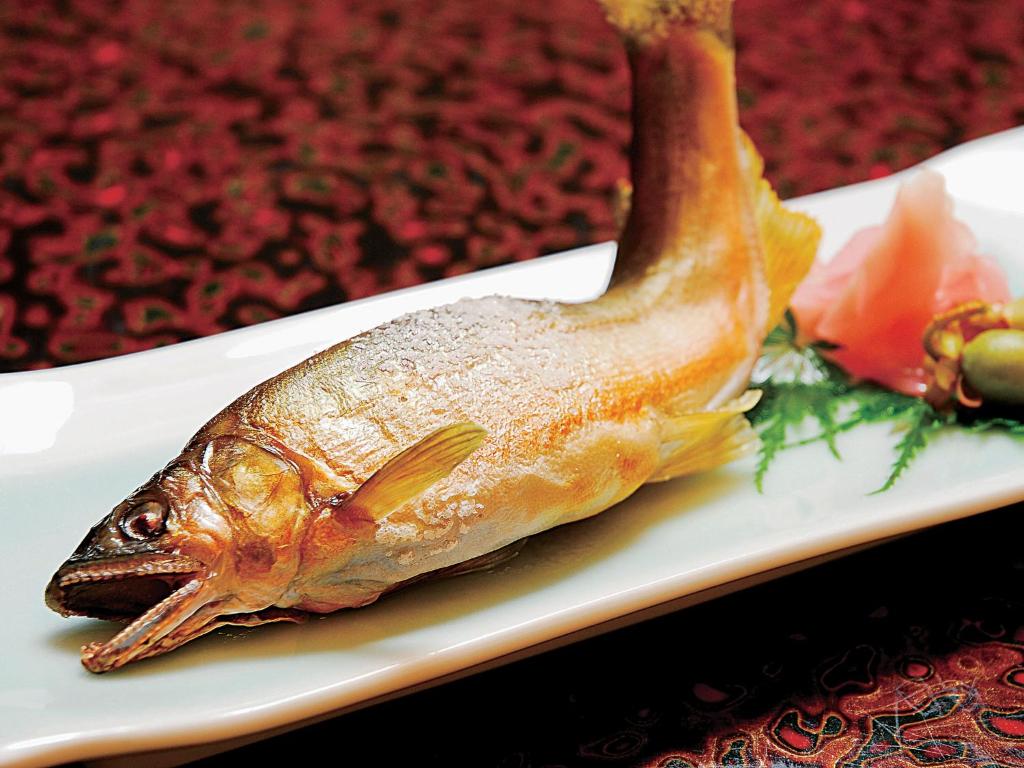
Seasonal courses bring a stronger sense of time. Spring highlights mountain vegetables, summer features ayu sweetfish, autumn brings matsutake mushrooms, and winter focuses on hot pot dishes. Other plans may focus on selected ingredients when you prefer quality over quantity.
Breakfast is one of Rankeiso’s signature experiences. The ryokan cooks onsen rice porridge with its own mineral-rich source water, which has a natural taste often compared to kombu broth. No heavy seasoning is needed. The meal may also include salmon marinated in miso, handmade oboro tofu, mountain vegetables, small vegetable dishes, salad, and homemade yoghurt.
Meals are usually served in a private dining space for each group. In some cases, in-room dining may be arranged when movement is difficult or when travelling with a baby, depending on advance arrangements.
Onsen and Wellness
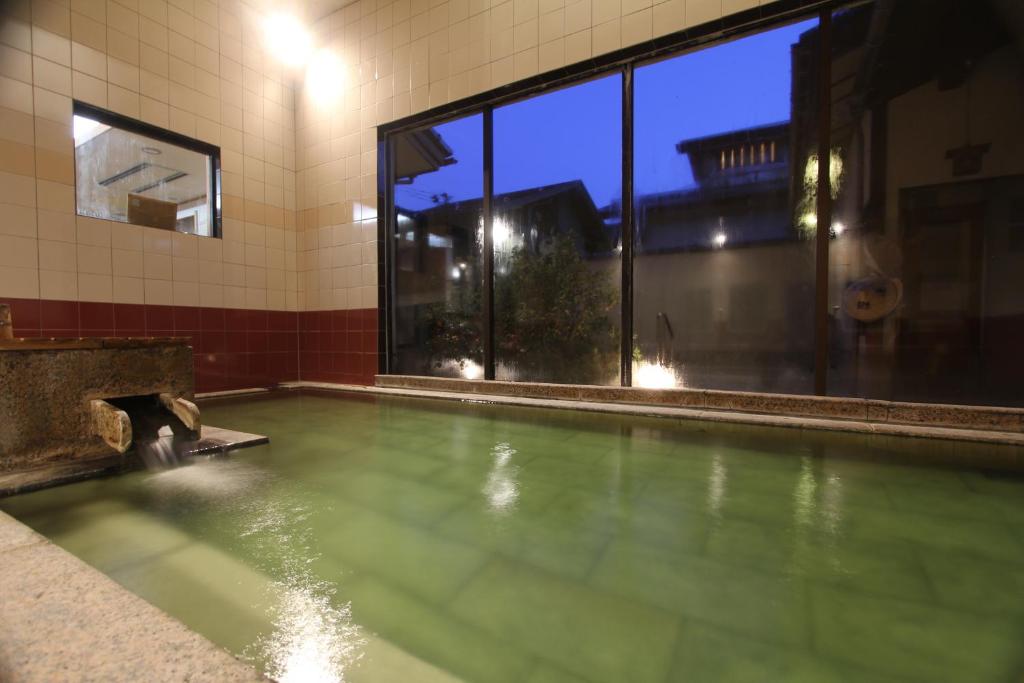
Rankeiso’s spring is a sodium-chloride cold mineral spring. The water is hypertonic, neutral, and naturally cool at the source, so it is heated to a comfortable bathing temperature. It is clear and colourless, but it contains a very high dissolved mineral content of 15,670 milligrams per kilogram, placing it within the category of therapeutic spring water.
The water feels smooth and slightly clinging on the skin. It is also extremely salty, with a flavour the ryokan compares to kombu tea. Traditional bathing indications include cuts, burns, sensitivity to cold, neuralgia, shoulder stiffness, fatigue recovery, and post-illness recovery. The warmth tends to remain after bathing, making it especially pleasant in Niigata’s snowy season.
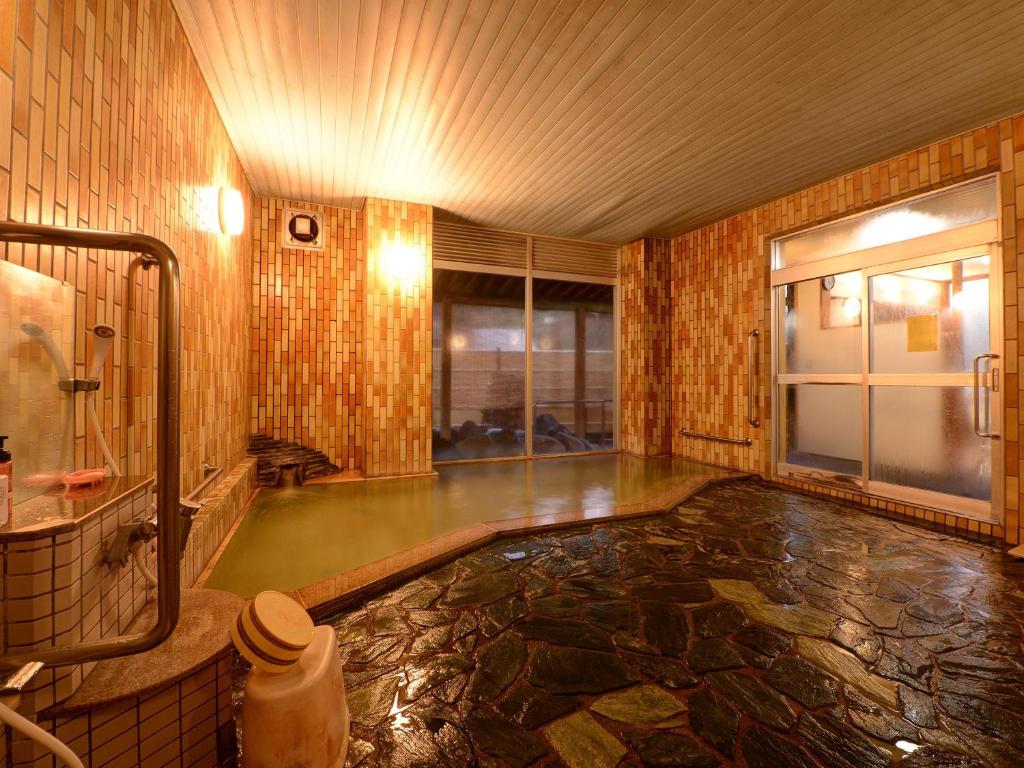
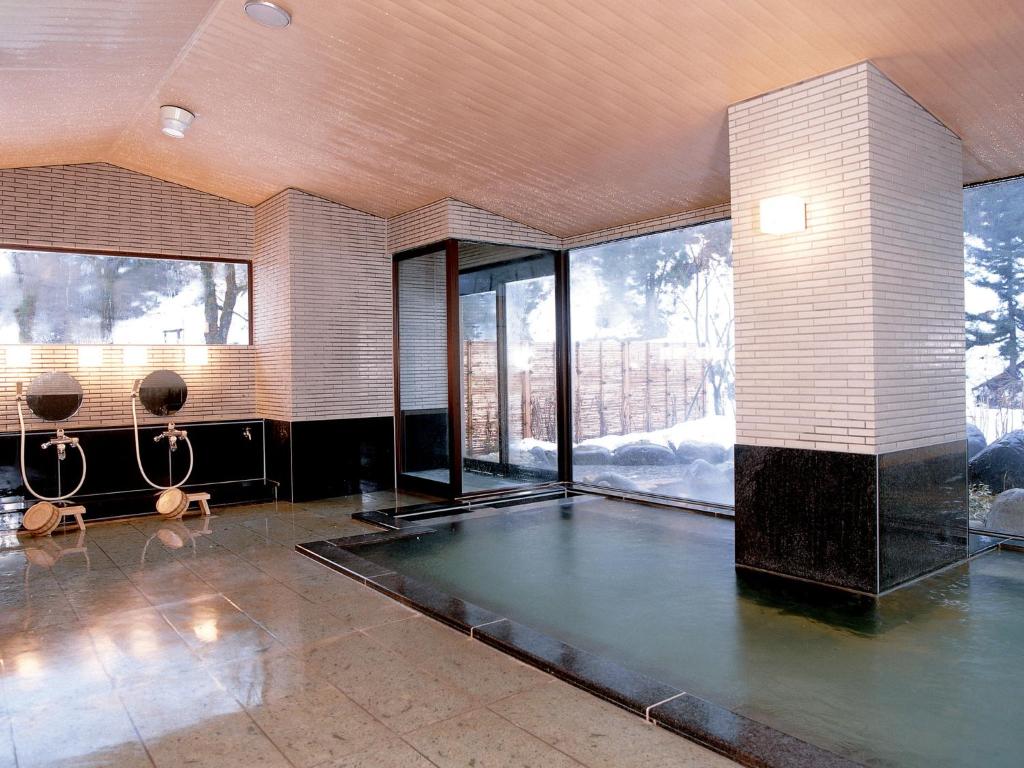
The large public baths are separated for men and women and can be used through most of the day outside cleaning periods. Bathing amenities are provided in both areas, and the women’s bath has a baby bed.
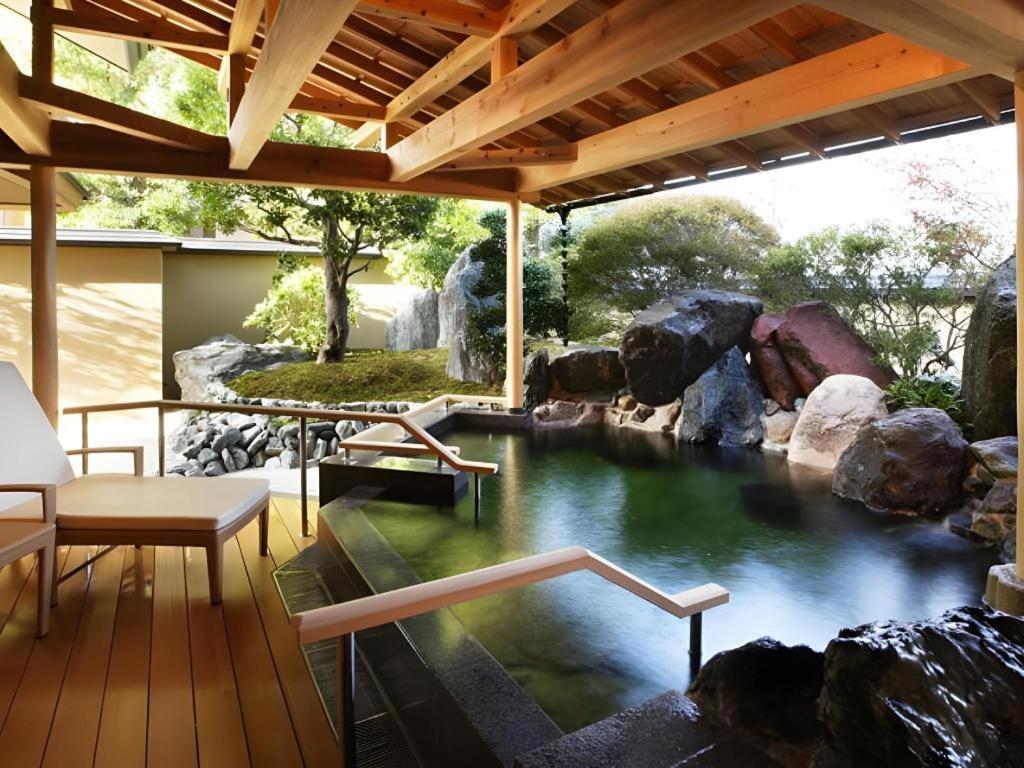
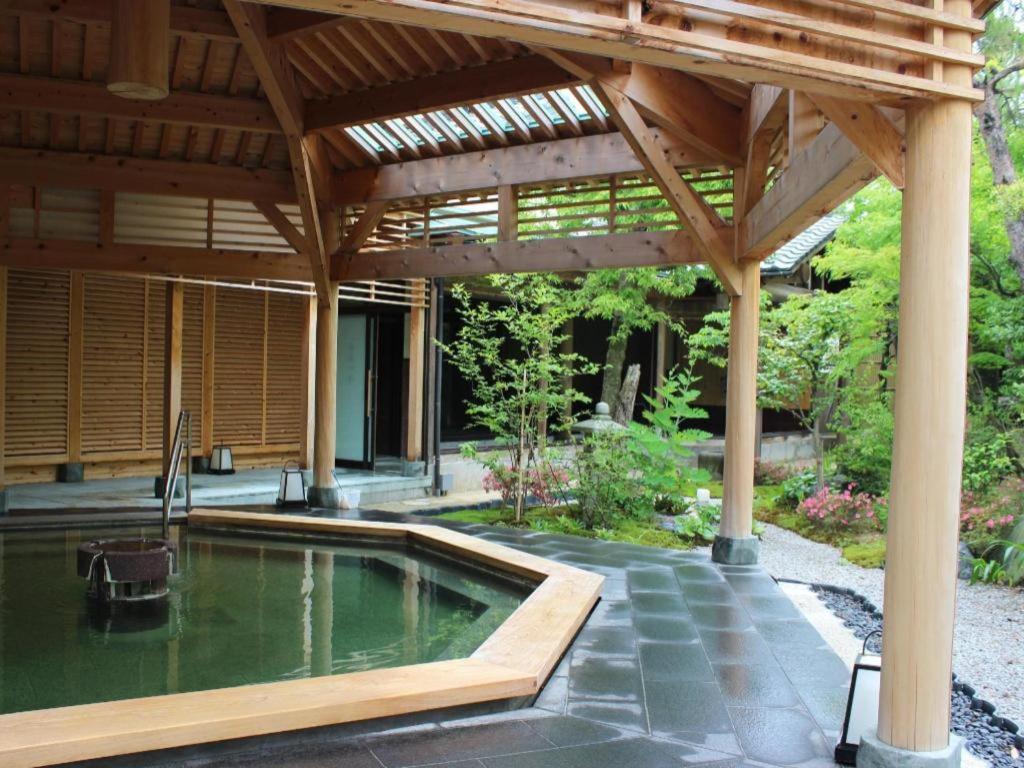
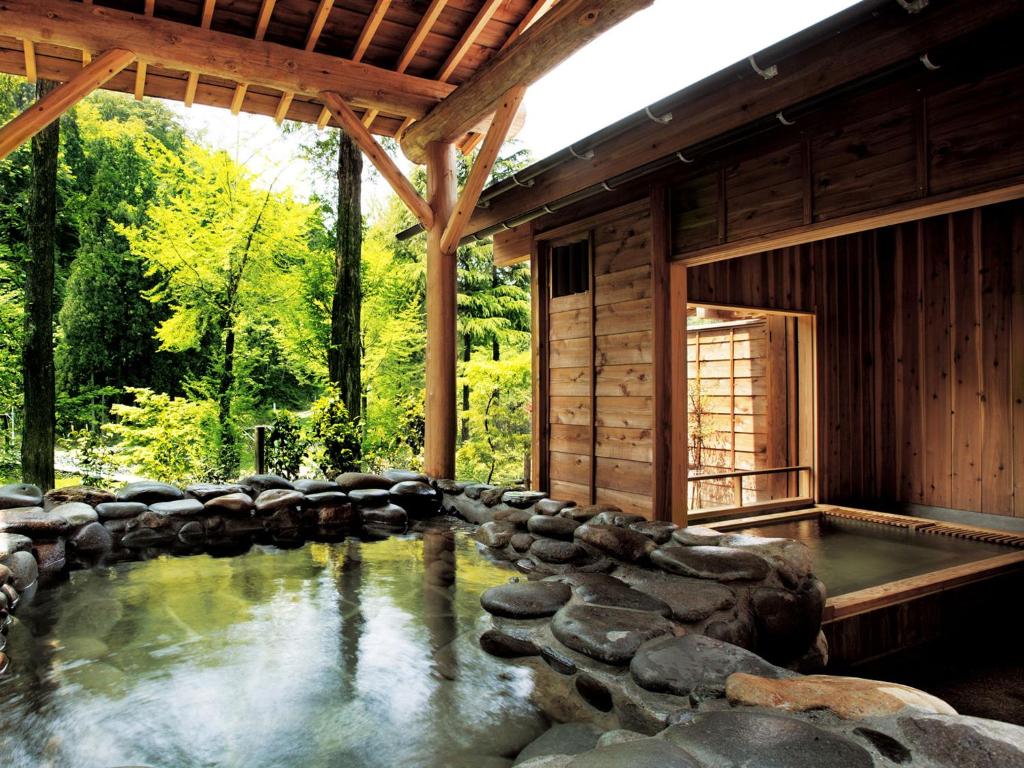
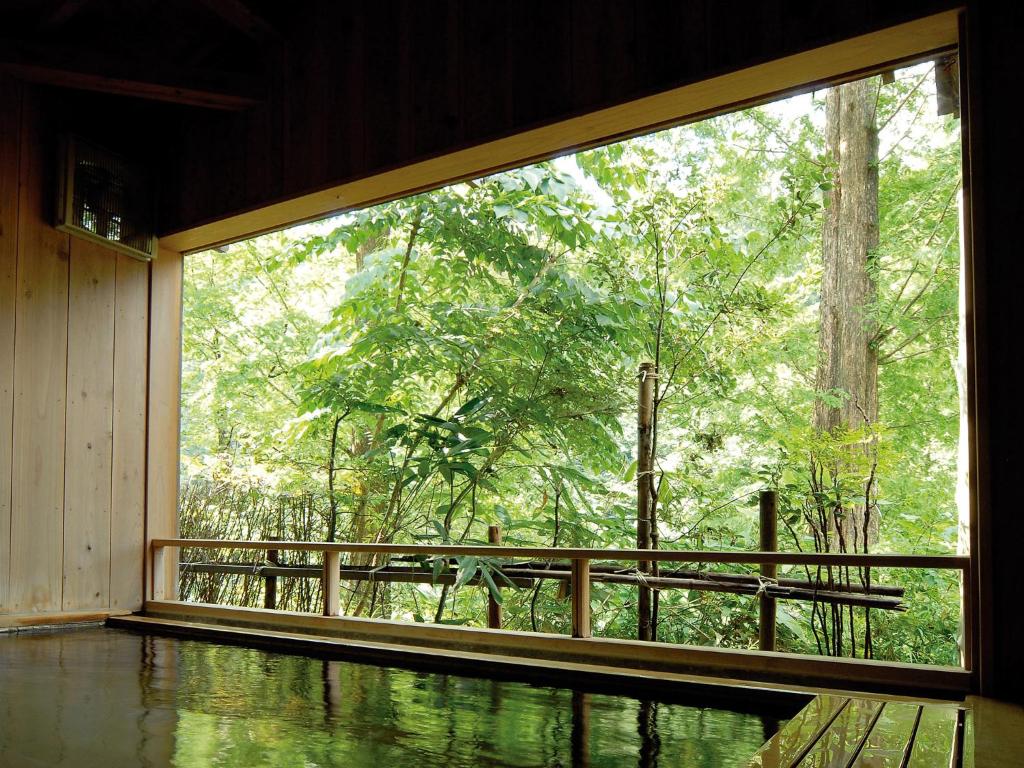
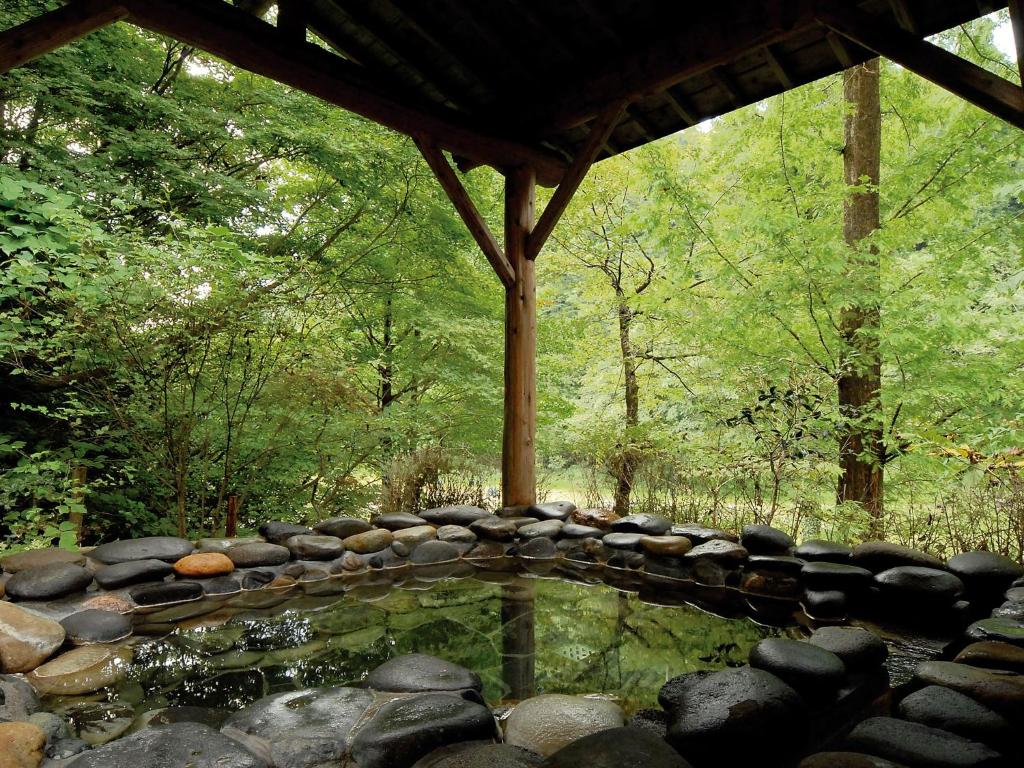
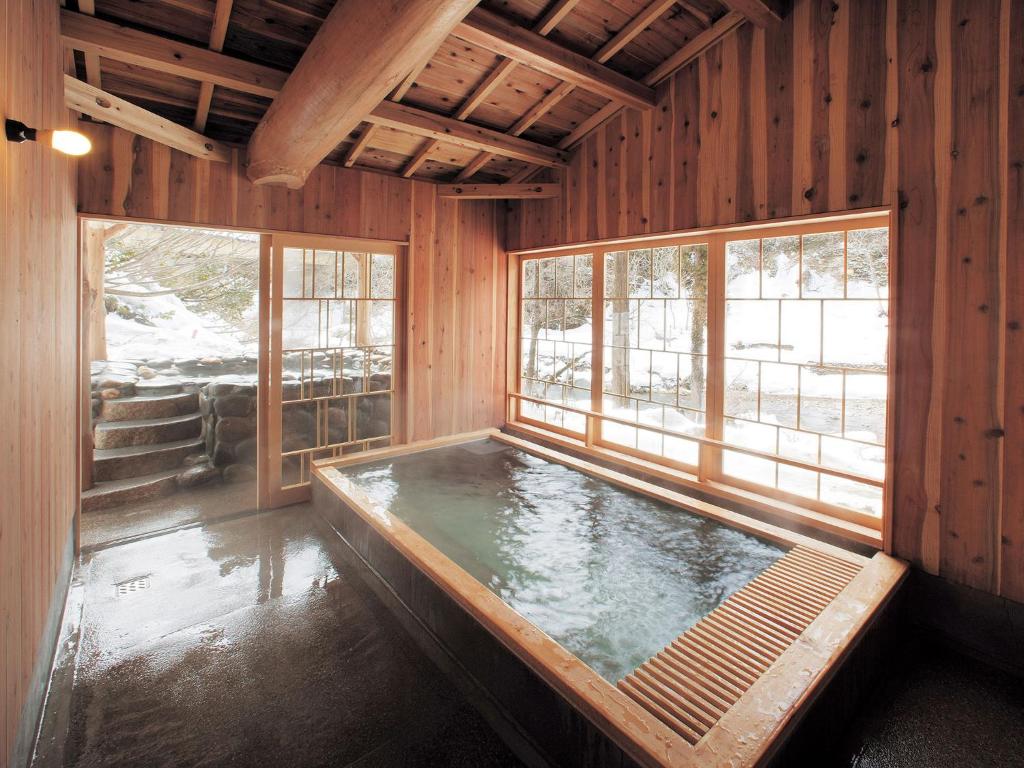
Yama no Yu sits slightly uphill and includes two baths, Ishiyu and Fukayuu. During the day, these baths operate by gender for day-use bathing. From late afternoon, staying overnight gives you access to them as private baths. Ishiyu uses stones from the Igarashi River and lets you enjoy the sound of the stream from inside the bath. Fukayuu is approximately 130 centimetres deep, giving you a floating sensation as you soak.
Private use of Yama no Yu is arranged after arrival during the evening reservation period. Later at night and into the morning, you can use the baths privately when they are available by locking the door from inside. Each private session is limited so more people can enjoy the baths.
After bathing at Yama no Yu, you can rest in the after-bath area, where books, music, massage chairs, tea, and garden views help you cool down slowly.
Guests with Tattoos
You can use the private Yama no Yu baths if you have tattoos. From late afternoon, Ishiyu and Fukayuu are available for private use by staying overnight, so you can enjoy the hot spring without entering the shared public baths.
Facilities
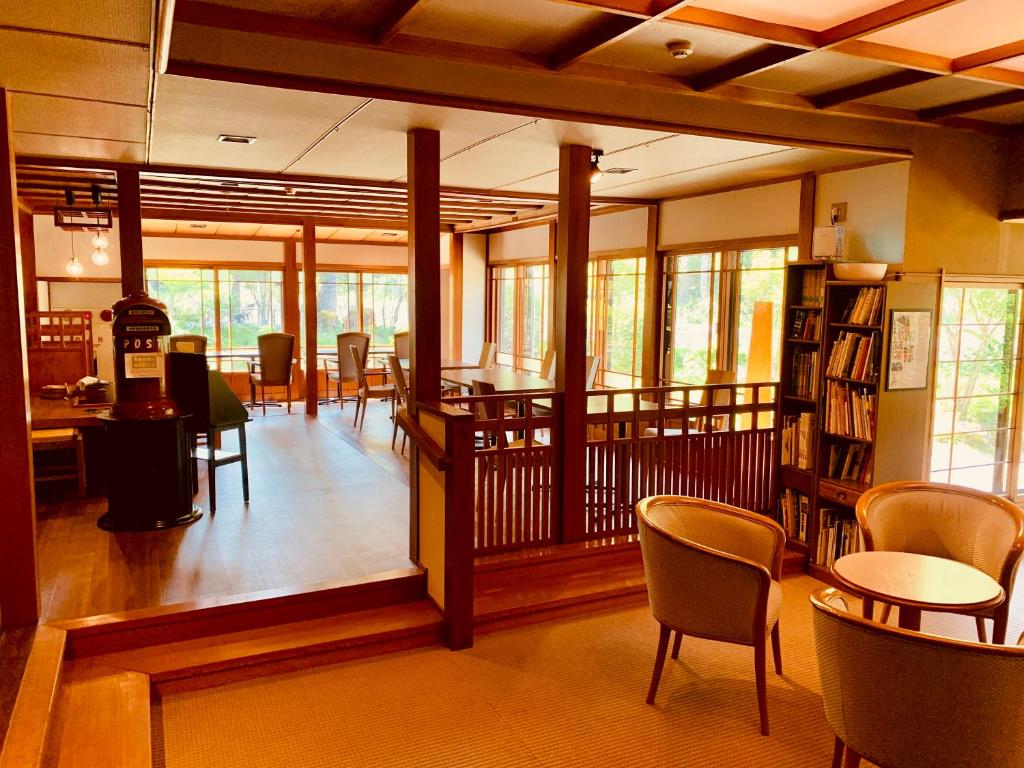
Rankeiso includes the historic Ryokufukan entrance and front desk, a shop, the Himesayuri lounge, banquet and meeting rooms, large public baths, Yama no Yu private bathing spaces, and an after-bath rest area. The lounge was renewed together with the garden and gives you a place to enjoy coffee, drinks, books, music from a vacuum-tube audio system, and views of the outdoors. You can also drink the salty source water blended with hojicha around the hearth.
The banquet and meeting spaces include Takashiro, Kurakake, and the large hall Sumon. These rooms can be used for meals, meetings, group stays, celebrations, and work retreats. Kurakake is also used as a private dining space during normal stays and can serve as a daytime workroom. Projectors, screens, and other meeting items can be arranged when needed.
Wi-Fi is available throughout the property, and Suiyukan rooms also provide wired LAN. A wheelchair can be borrowed, and elevator access is available in Keiryukan, although the route from the car park and entrance includes stone paving, steps, and level changes. Pets cannot enter the building.
Activities
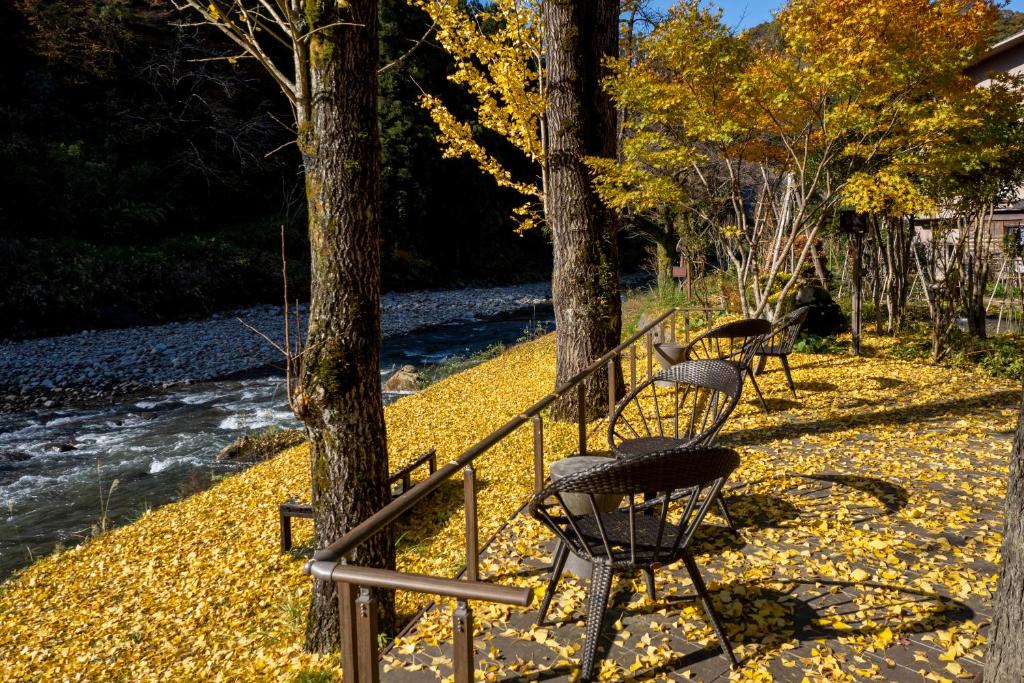
You can enjoy the property’s natural setting without planning a busy itinerary. The front garden follows the stream and changes with the seasons. In spring, wild plants and rare himesayuri lilies can appear. In early summer, fireflies may be seen near the water channels. In summer, the shallow parts of the Sumon River can be used for water play, while autumn brings flowers and colourful leaves. In February, the ryokan lights snow lanterns when snow conditions allow.
Outdoor activities around the inn include river play, cycling, rafting on the Igarashi River, fishing in the Sumon and Igarashi river systems, hiking on nearby low mountains, and snowshoe events around Tsukueyama in late winter. Table tennis is not currently available because the outdoor shed was damaged by heavy snow, and repairs are planned.
Rankeiso also supports remote-work stays. You can work from your room, the lounge, parts of the garden, or a private workroom, with meeting spaces available for small groups. The wider Tsubame-Sanjo area is around a short drive away and offers craft, factory, and local industry experiences connected with the region’s metalwork culture.
For light sightseeing, Roadside Station Kangaku no Sato Shitada is close by, while the Tsubame-Sanjo area gives you access to workshops, local food, and craft traditions. The surrounding countryside makes the journey feel slow and local rather than crowded.
Additional Features
Check-in begins at 3:00 p.m., and check-out is by 10:00 a.m. When the next booking schedule allows, a later check-out may be possible. From Tokyo, you can reach Tsubame-Sanjo by Joetsu Shinkansen, then continue by car or reserved station transfer. A reservation-required shared shuttle connects the ryokan with Tsubame-Sanjo Station and Higashi-Sanjo Station. By taxi, the ryokan is around 45 minutes from Tsubame-Sanjo Station and around 35 minutes from Higashi-Sanjo Station.
Rankeiso suits you when you want a mountain ryokan with real character rather than a polished resort. You can sleep in a cultural-property building, choose a river-view room, or stay in a newer tatami-and-bed room, then spend your time soaking in strong saline water, eating local mountain cuisine, and listening to the river outside.