Overview
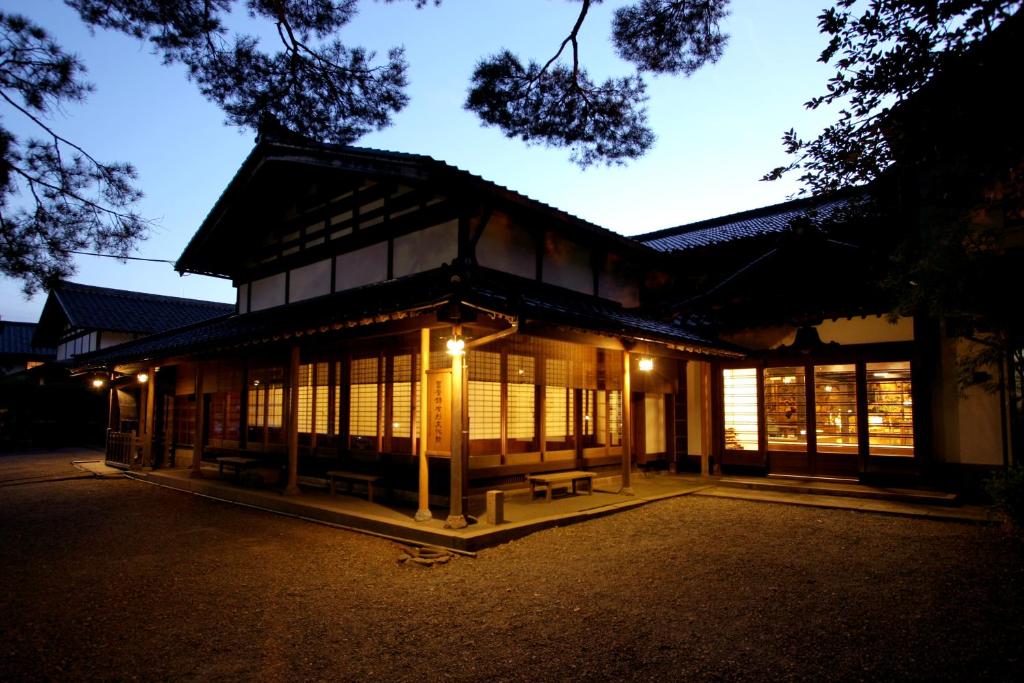
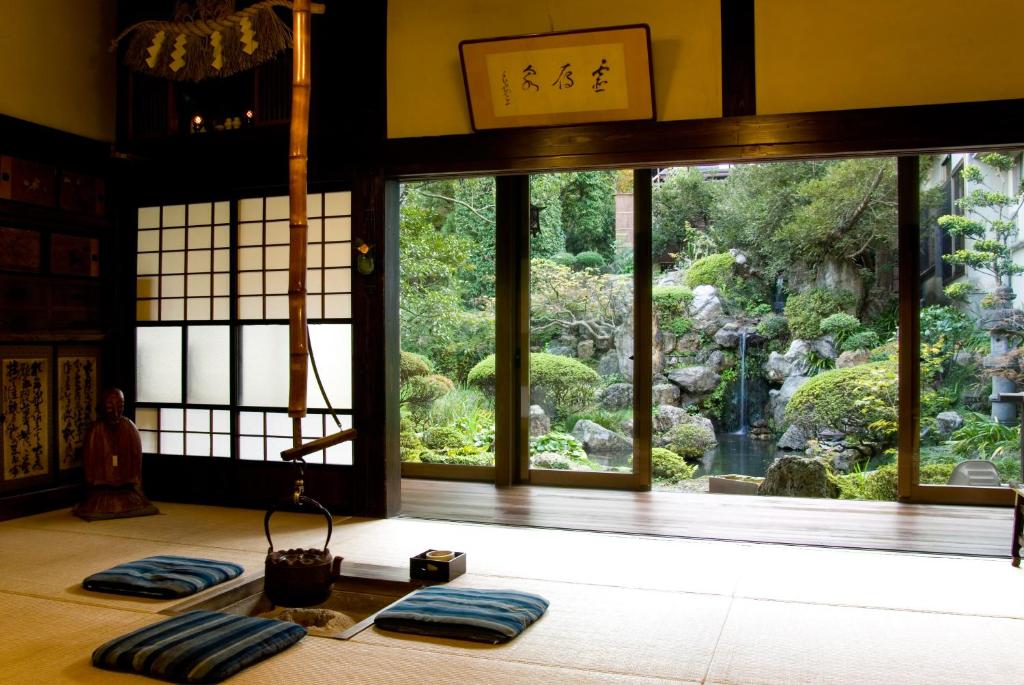
Koshi no Yado Takashimaya is a historic ryokan in Iwamuro Onsen, Niigata. You stay in a “ryotei you can sleep in,” with traditional Japanese dining, black hot spring water, wooden architecture, and buildings connected to national registered tangible cultural property status. The ryokan keeps the feeling of an old shoya residence, with a lounge that uses an Edo-period headman’s house said to have over 280 years of history.
Iwamuro Onsen has more than 300 years of hot spring history, with records and legends tied to the year 1713. You can reach the area by train and car, and Takashimaya also offers a shuttle service from JR Tsubame-Sanjo Station with advance reservation. Shuttle service from Iwamuro Station and Yahiko Station may also be arranged in advance.
Accommodation
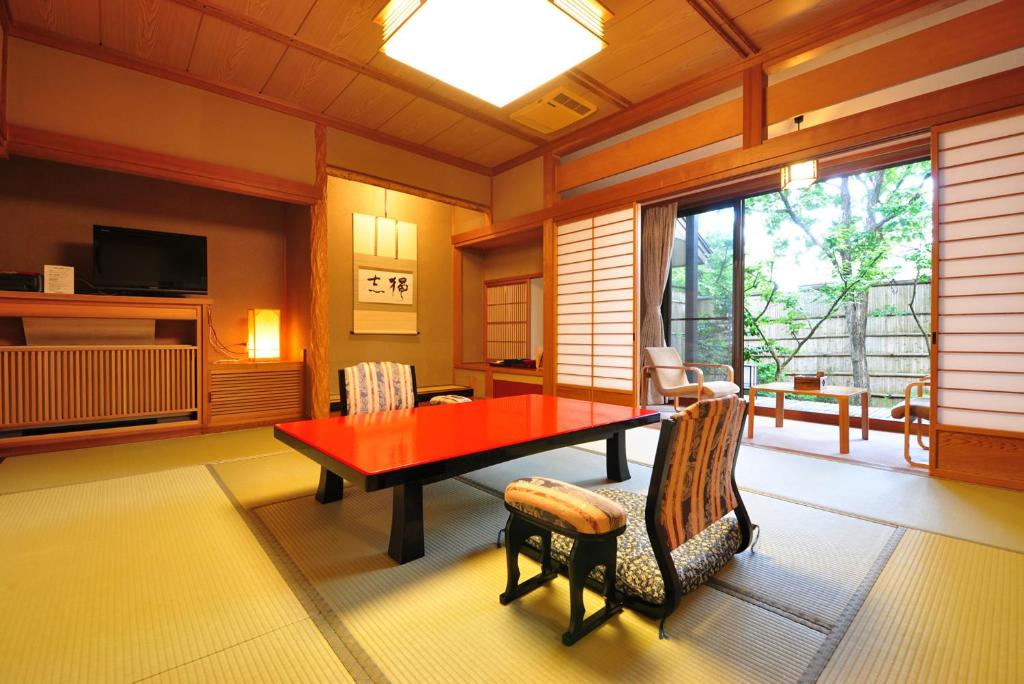
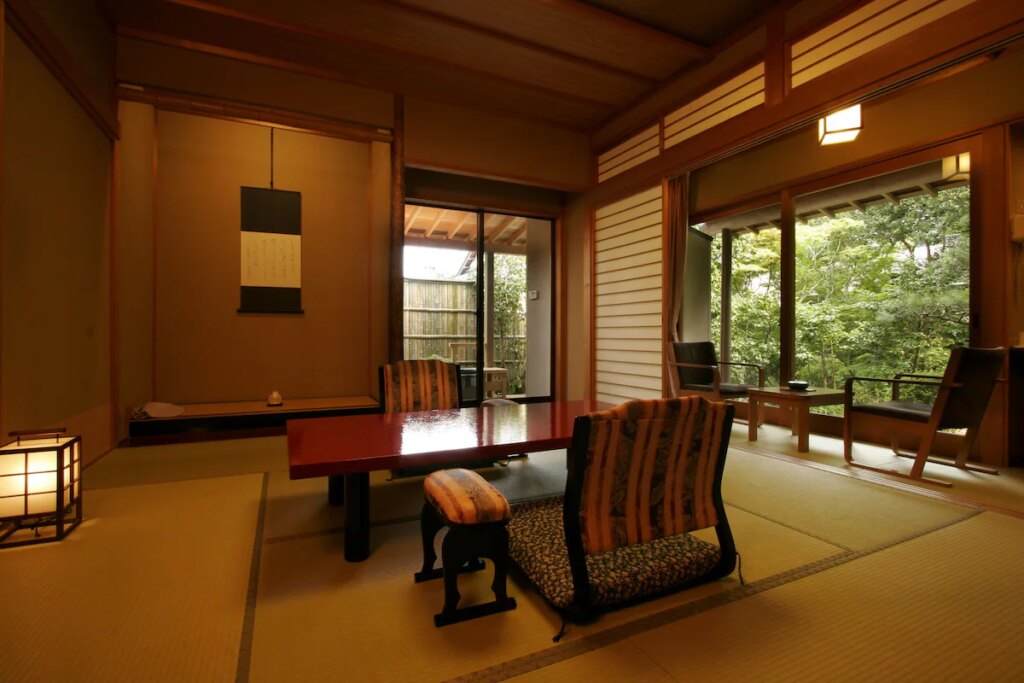
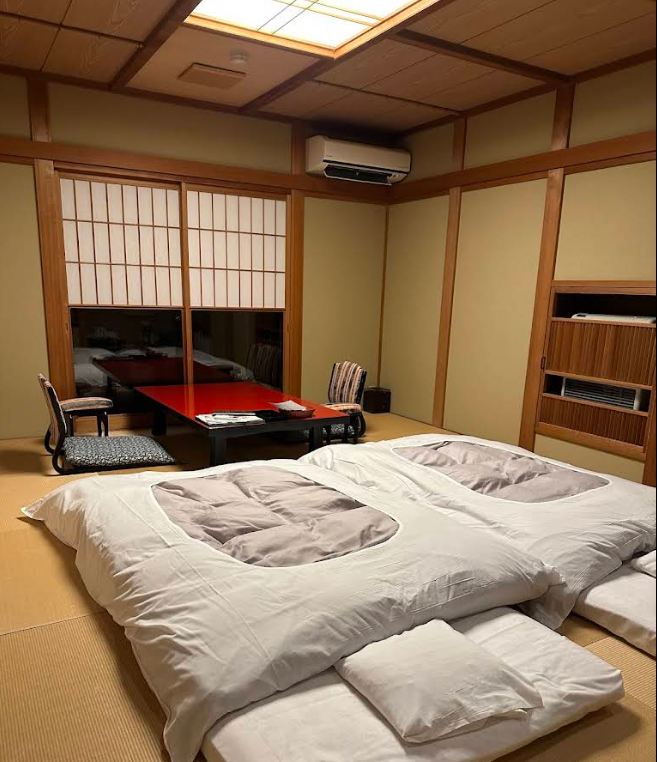
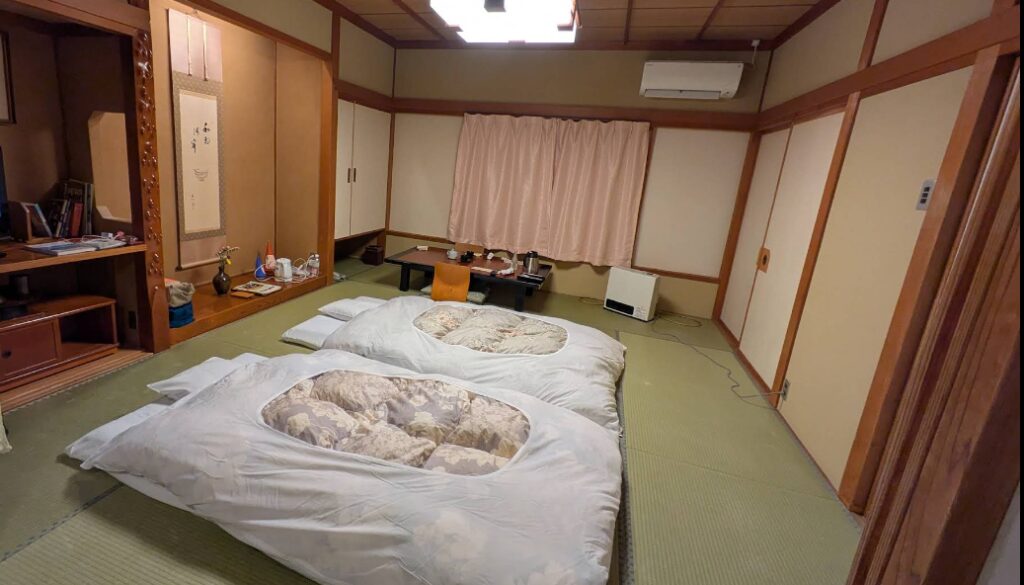
You can choose from Japanese-style rooms with tatami, garden views, private bathing spaces, historic character, and quiet room settings. Several rooms include private hot spring baths, while others focus on classic ryokan design, courtyard views, or mountain and garden scenery.
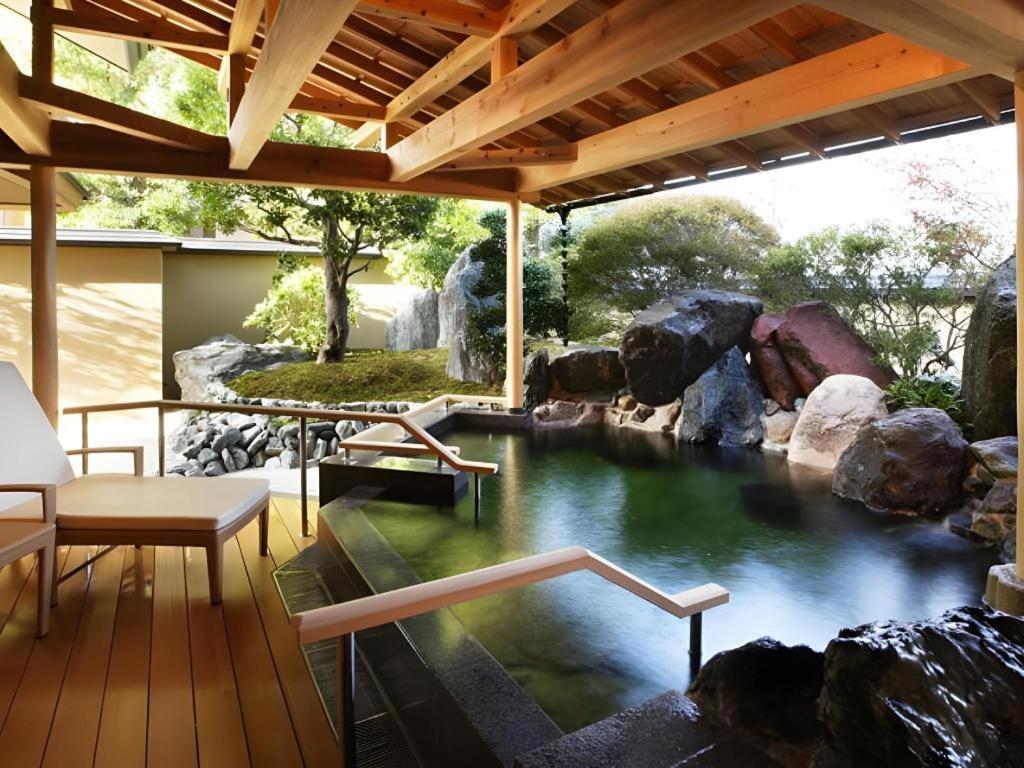
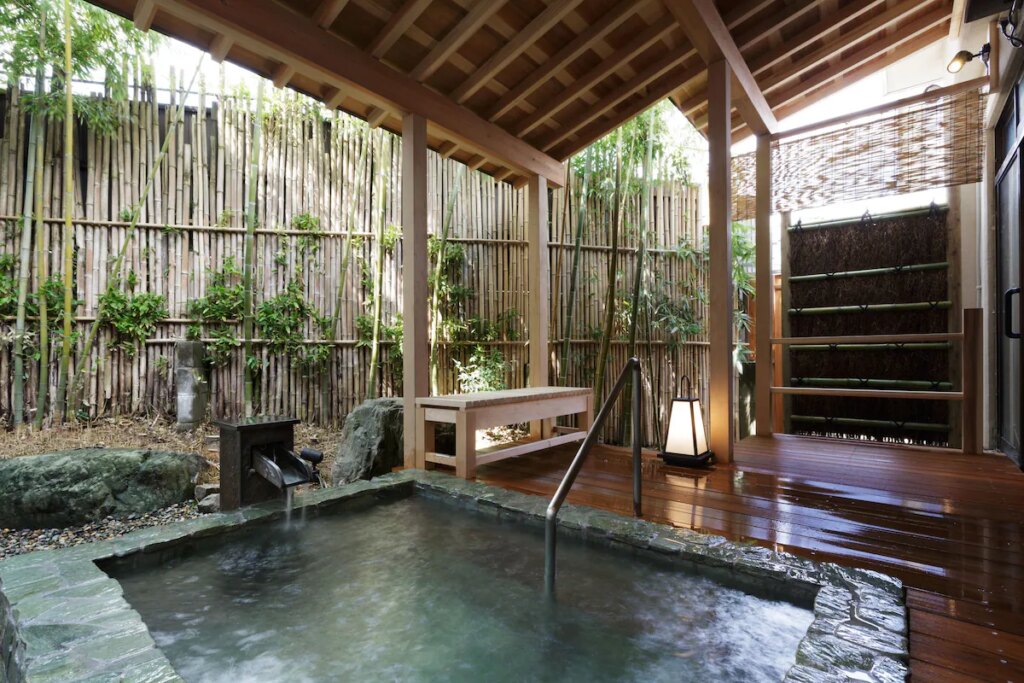
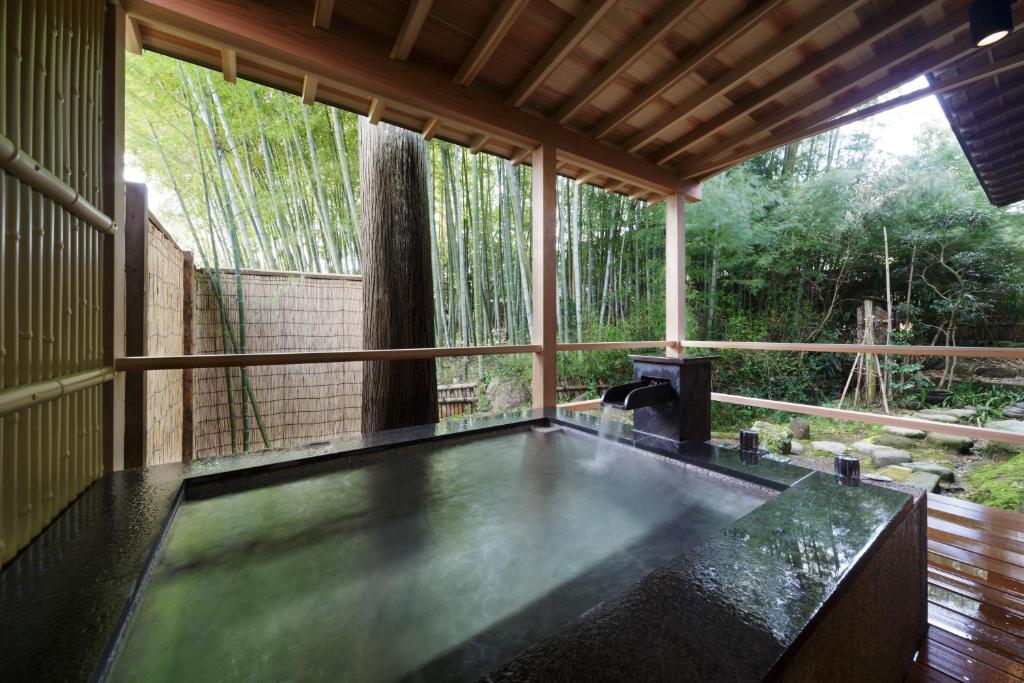
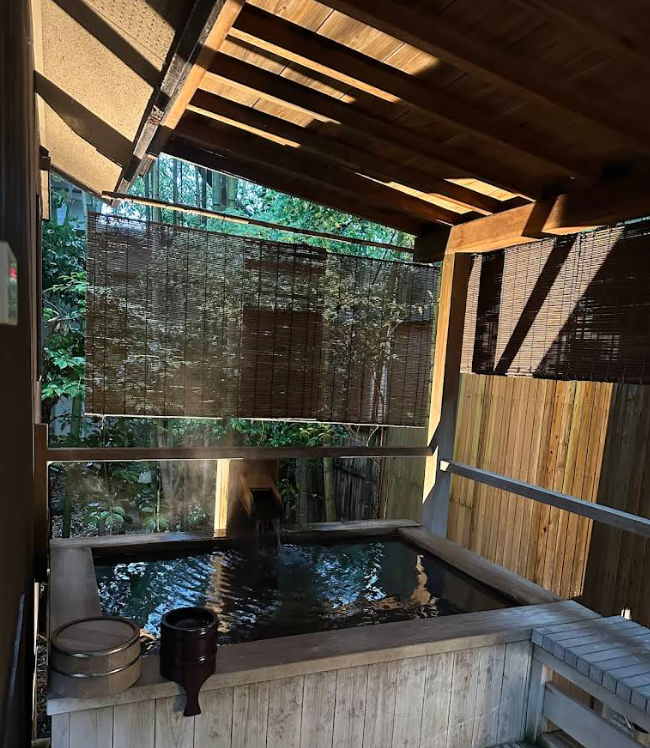
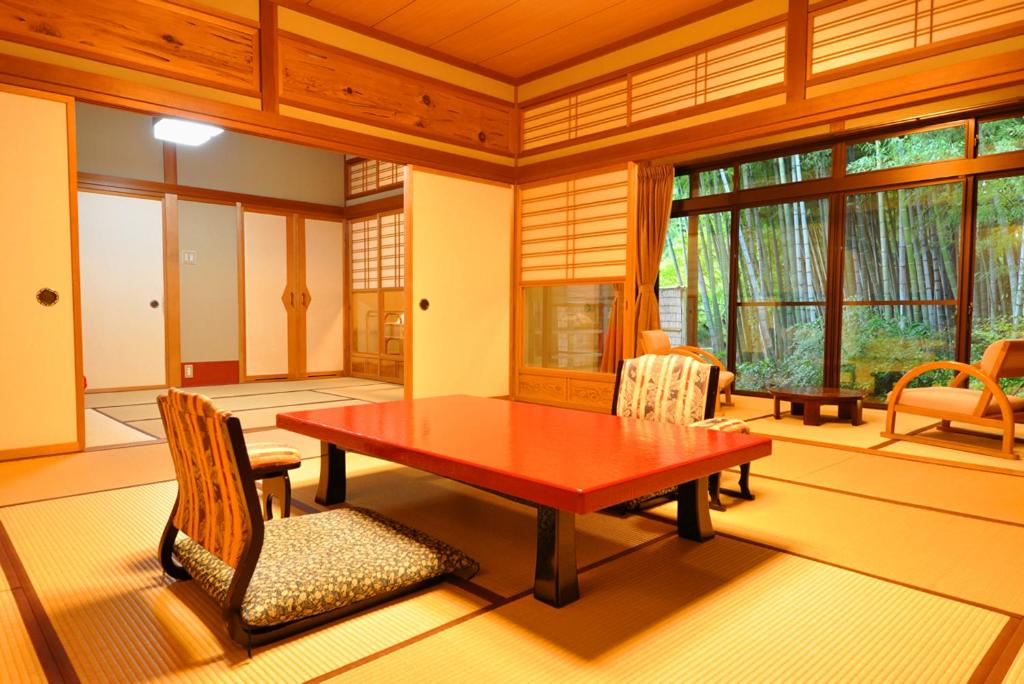
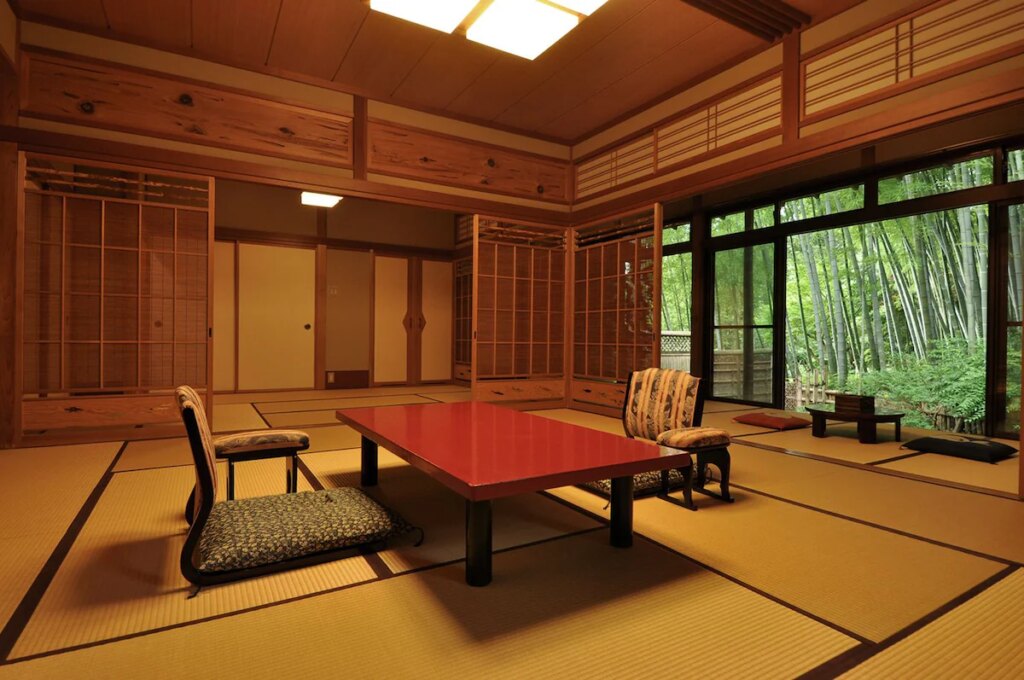
Tokiwa is one of the most distinctive rooms. It has been used for shogi Kisei title matches and Go Judan matches, and it faces a bamboo grove. You can enjoy both an indoor bath and an open-air bath with source-fed hot spring water.
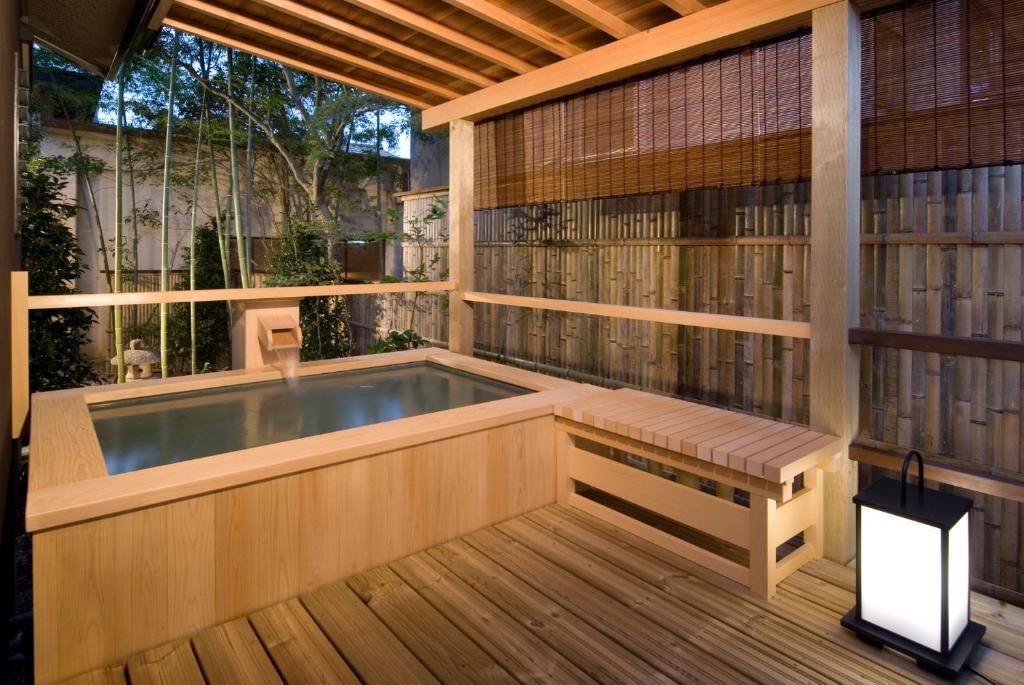
Shion has a cypress open-air bath with natural hot spring water, a dining room, and table seating for dinner. It has also been used by Kisei match players.
Hiiragi faces a spacious inner garden and has a cypress open-air bath with natural hot spring water.
Tachibana has a private tsuboniwa courtyard and has been used as a resting space for shogi and Go players. This room does not have an open-air bath, but it includes an indoor bath with heated water, shower, LCD TV, massage chair, refrigerator, water server, safe, hair dryer, Wi-Fi, and bedding.
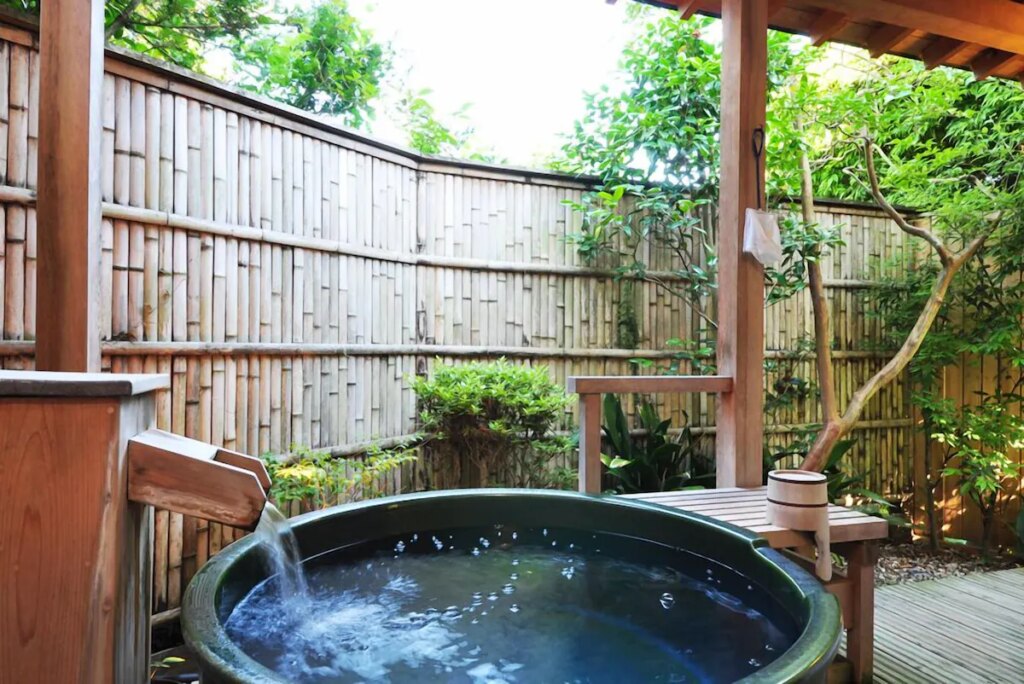
Kirishima has a ceramic open-air bath with natural hot spring water and a view of the garden. At night, you can enjoy the garden lighting from the room.
Chikutei is a detached room made from a relocated 180-year-old old house. It has fewer steps than many other areas of the ryokan, so it is recommended for wheelchair users or anyone who prefers easier movement. The indoor bath uses natural hot spring water with heating and added water.
Other rooms include Iyashi no Ma, with a 12.5-tatami Japanese room, a smaller adjoining room, a veranda, and a tsuboniwa view; Yutori no Ma, with a view toward distant mountains; Shiki no Ma, with a view over the garden; Kaiko no Ma, with a classic ryokan feel; and Chihiro, where you can look toward the bamboo grove and enjoy the night lighting.
Dining
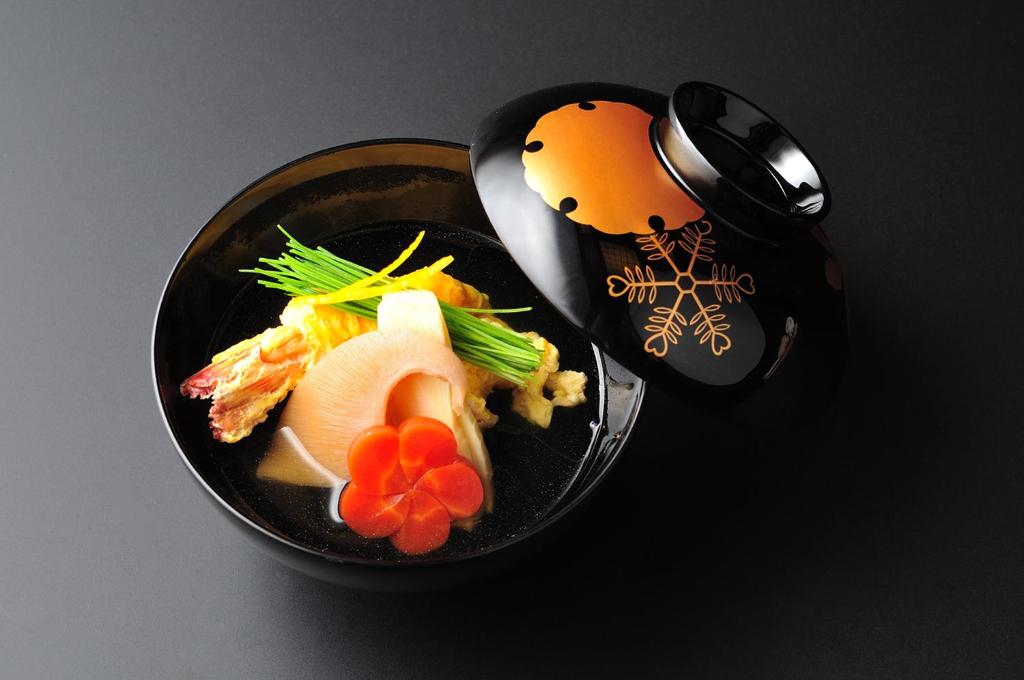
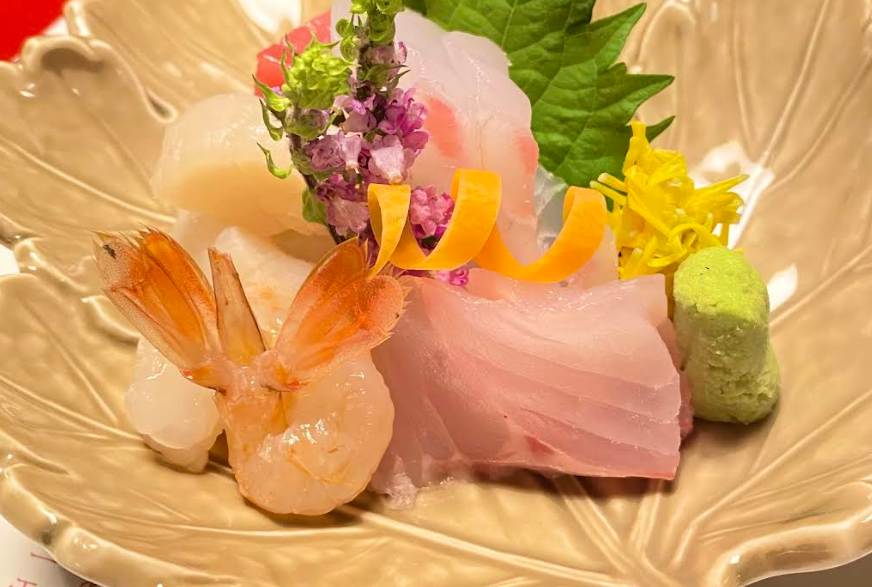
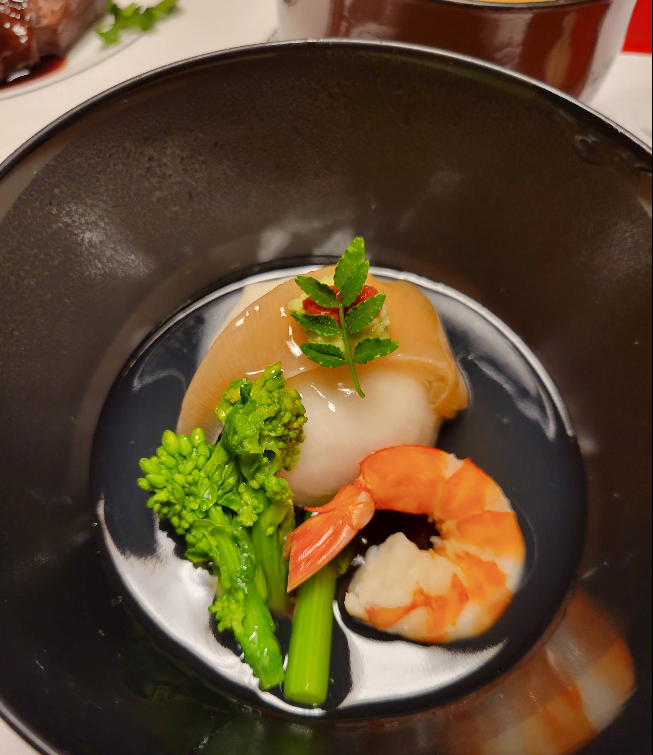
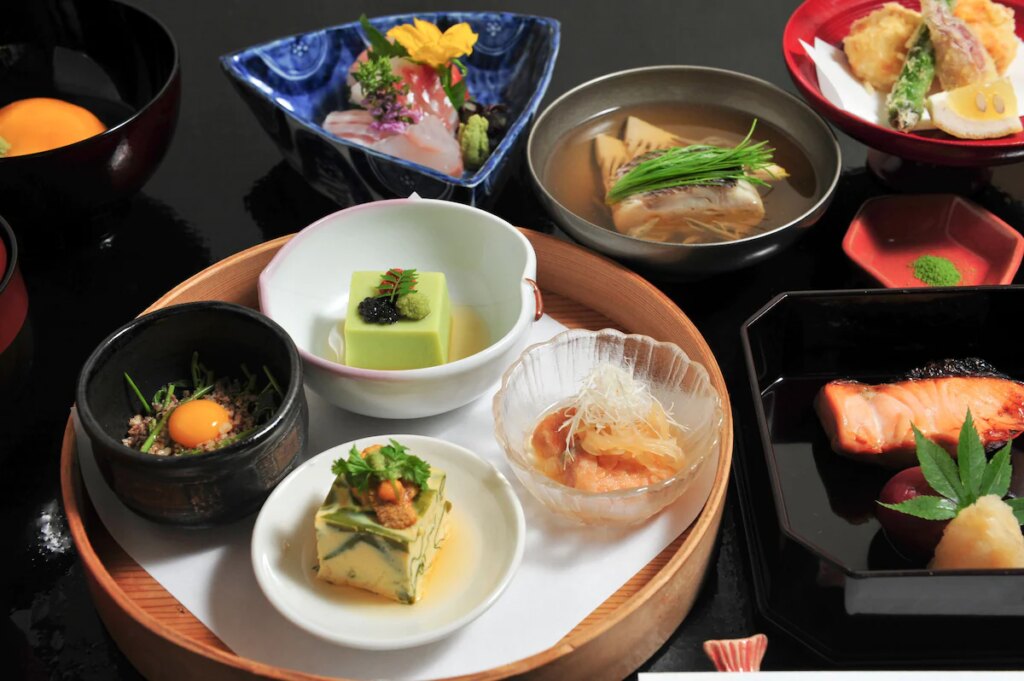
Dining is one of the main reasons to stay here. Takashimaya serves traditional Japanese cuisine made with seasonal ingredients purchased for that day. The meal style changes with the season, so you do not receive one fixed menu.
Dinner follows a pure Japanese course style, with dishes brought in order from the opening course to sashimi, soup, and other seasonal plates. Standard plans use very little meat, so you should choose a meat-focused plan when you want dishes such as wagyu fillet steak or Agano Himegyu hamburger steak.
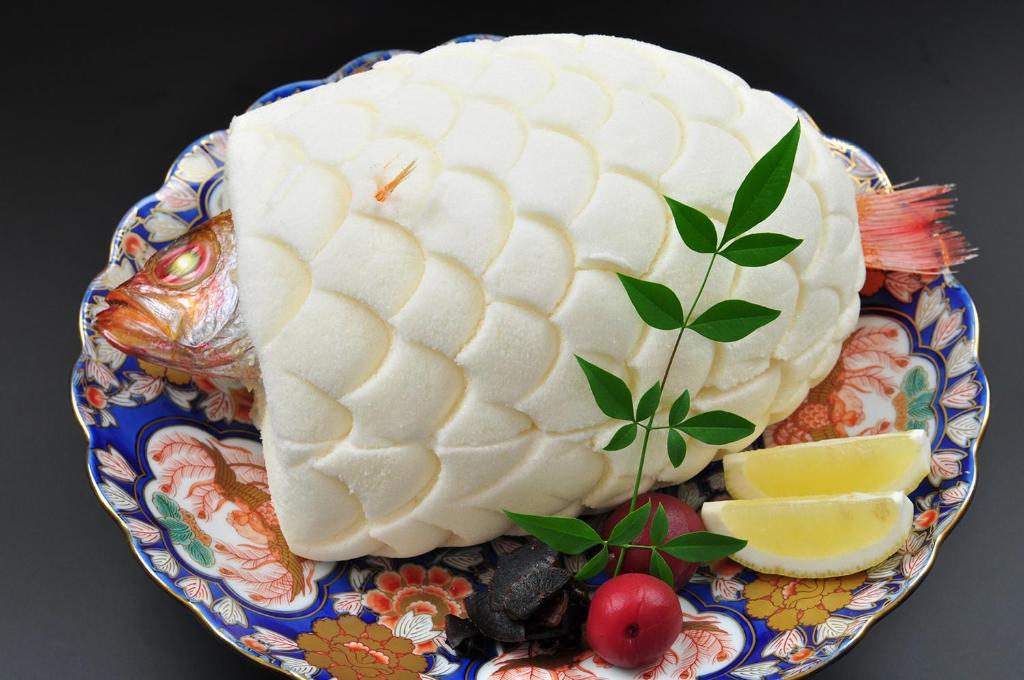
You can also add special dishes with advance reservation. Recommended extra dishes include wagyu fillet steak, nodoguro salt-kama grilled fish, nodoguro with sea urchin, and ika somen. Plan examples on the ryokan’s dining page include nodoguro salt-kama, a seasonal premium kaiseki plan, wagyu fillet steak, and an upgraded Koshinoyado meal.
Breakfast features Takashimaya’s salmon marinated in miso and grilled by the kitchen team. The ryokan also sells this salmon in its shop, where it notes that the king salmon is marinated in a special miso sauce and has long been served at breakfast.
Onsen & Wellness
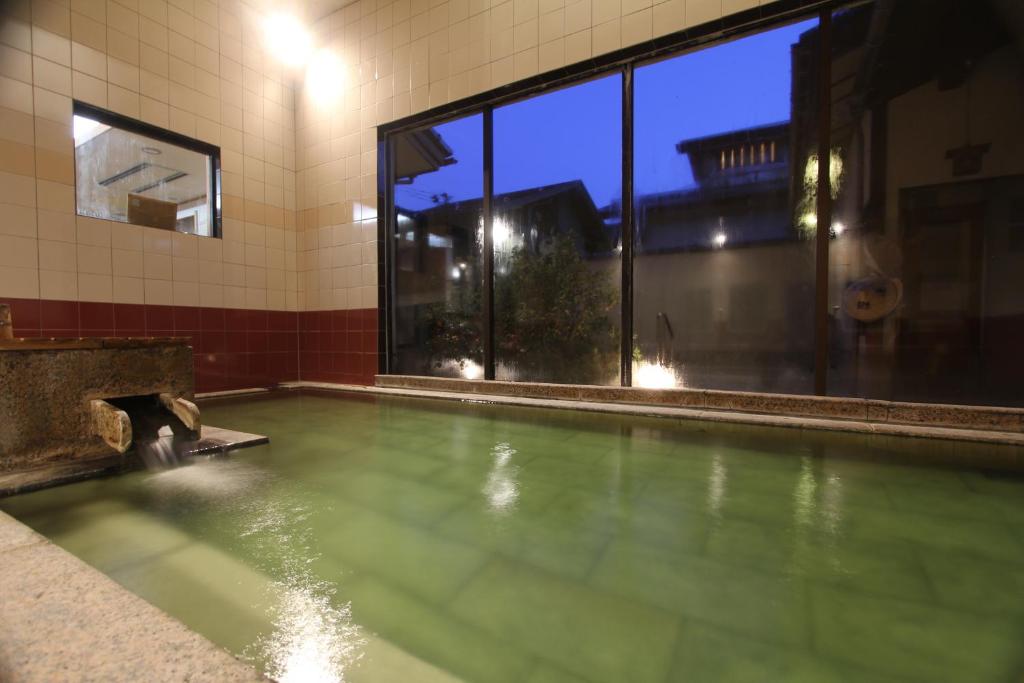
Takashimaya uses Iwamuro Onsen water, known for its rare black color. The spring contains both sulfur and salt, and the iron in the water combines with sulfur to form iron sulfide, which gives the source its black tone. The ryokan notes that the black mineral deposits may color your feet or hands, especially in open-air baths with a stronger source-water presence, but the color can be washed off.
The spring quality is a sulfur-containing sodium-calcium chloride spring. It is classified as hypertonic, weakly alkaline, and high-temperature. Listed benefits include neuralgia, muscle pain, joint pain, chronic digestive issues, sensitivity to cold, fatigue recovery, health promotion, cuts, and chronic skin disease.
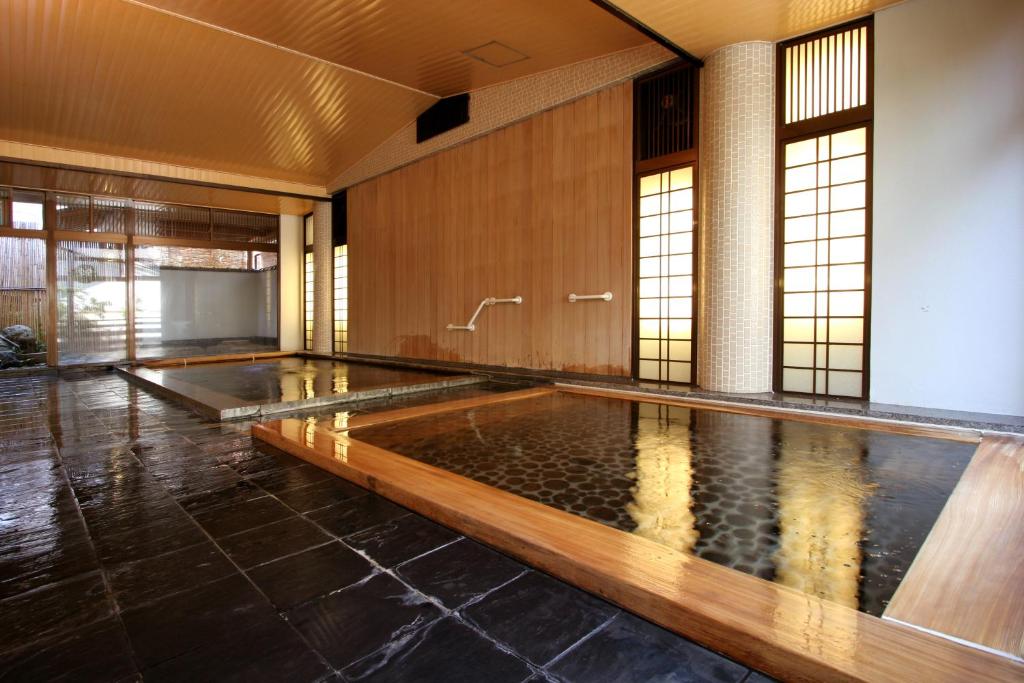
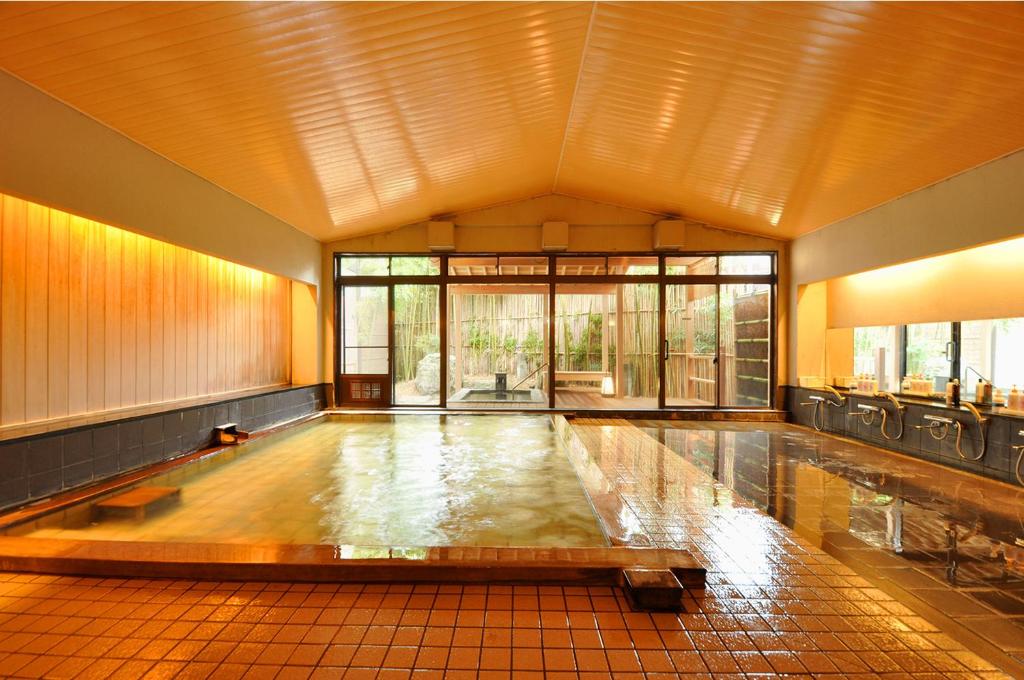
You can bathe in Chikubu no Yu, the women’s bath, with a warm cypress tub and fragrant wood. Star-view bath Hoshimi no Yu is attached to Chikubu no Yu and has a transparent ceiling window, so you can soak while looking up at the night sky.
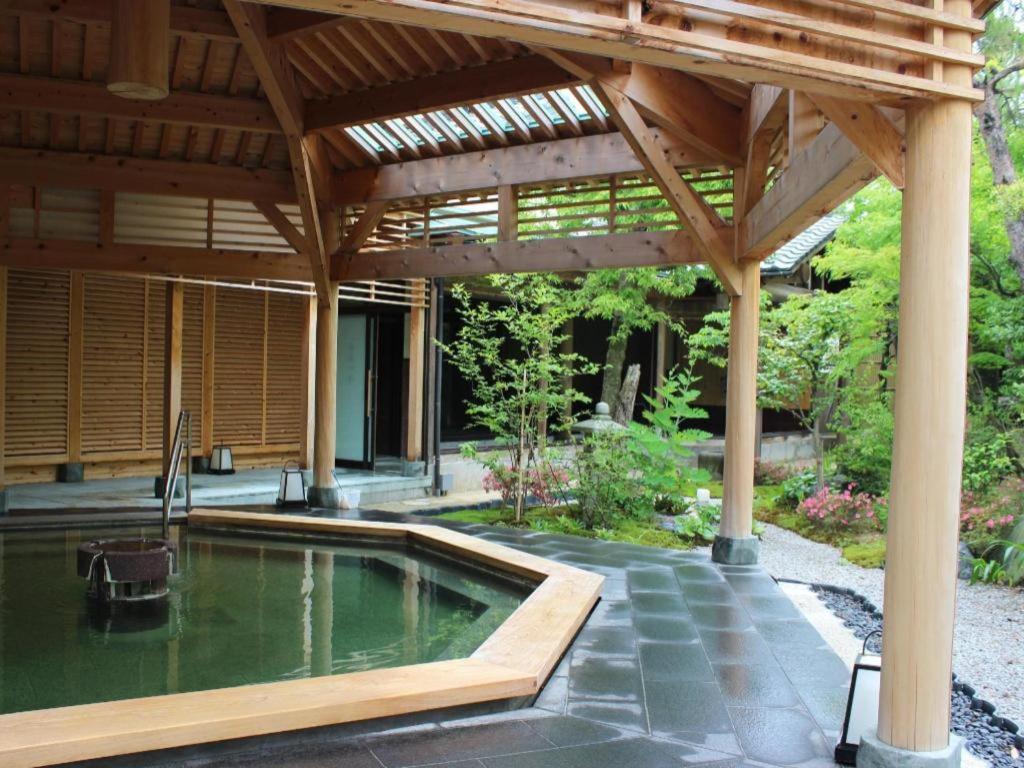
Okina no Yu, the men’s bath, uses a rare ancient hinoki cypress tub. Okina no Yu also has an open-air bath added in 2017, where the ryokan notes a higher source-water ratio. Bathing hours run from afternoon to midnight and again in the morning, with the baths closed late at night for safety.
You can also choose rooms with private hot spring baths, including Tokiwa with source-fed indoor and open-air baths, Shion and Hiiragi with cypress open-air hot spring baths, Kirishima with a ceramic open-air hot spring bath, and Chikutei with a private indoor hot spring bath.
Guests with Tattoos
If you have tattoos, you should note that tattoos are generally not permitted in the communal baths, in line with traditional onsen customs. If your tattoo is small, staff may ask you to cover it. Make sure to get a room with private onsen so you can bathe in the onsen with tattoos.
Facilities
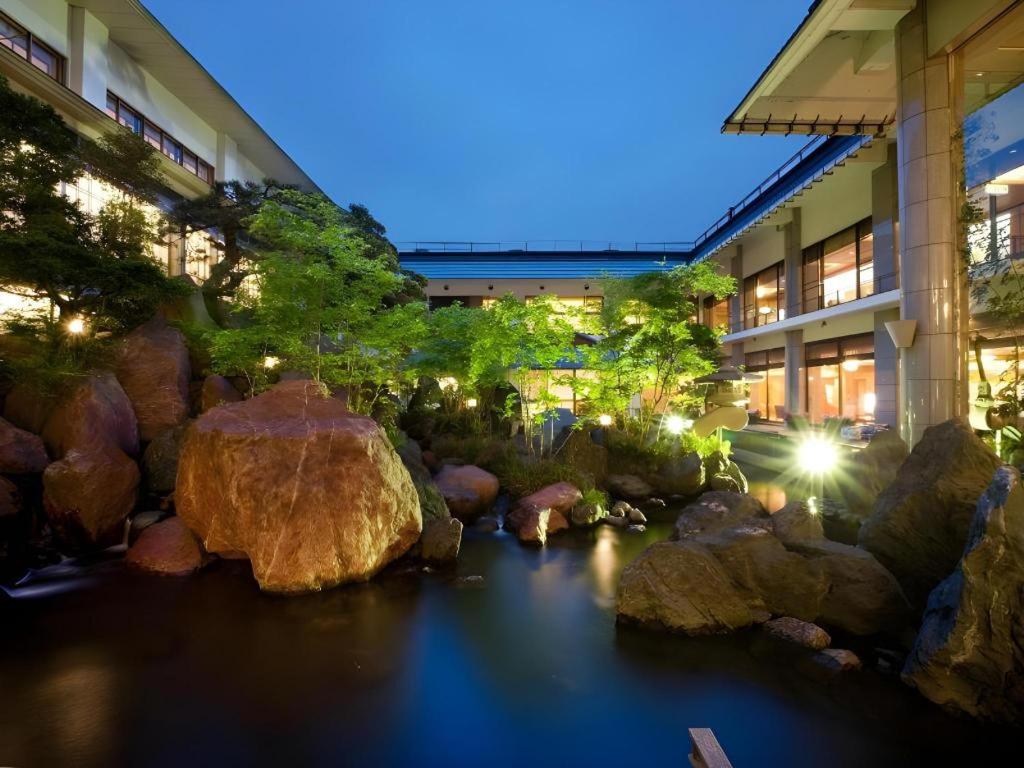
You can spend time in the garden, where wild owls have returned for many years and where a bamboo grove over 100 years old helps create a protected natural setting.
The lounge uses an Edo-period shoya residence that has stood for more than 280 years. You can look out at the garden while enjoying coffee or local beer.
Chuhi no Ma preserves the room where Emperor Meiji rested during his 1878 Hokuriku journey. The ryokan now uses this historic room as a dining space.
Other facilities include Mizuho dining room, Tokiwa room, a large banquet hall, Kura no Ma, and a shop selling original items and Takashimaya’s breakfast salmon. Kura no Ma was registered as a tangible cultural property in 2004 and was once used as a storehouse for rice and miso.
The ryokan has many stairs because of the site layout, and it does not have an elevator or escalator. For easier movement, Chikutei is recommended. All rooms and shared indoor areas are non-smoking, including electronic cigarettes, with a smoking room near the first-floor lounge.
Activities
You can walk around Iwamuro Onsen and learn about Reigan no Yu, the local legend of a wounded goose healing in the hot spring. The area also grew as a hot spring stop connected with the old Hokkoku Kaido route and visits to Yahiko Shrine.
You can also visit Yahiko Shrine, explore the countryside around the hot spring town, or use Iwamuro as a quiet base for Niigata day trips. The wider area offers sake culture, rural scenery, and hot spring town walks without needing to rush your stay.