
Shuzenji Onsen, located in the forested hills of the Izu Peninsula, is one of Japan’s oldest and most atmospheric hot spring towns, and one of its most overlooked by foreign visitors. With over 1,200 years of history, a sacred river running through its centre, a bamboo grove that rivals Kyoto’s Arashiyama, and some of the finest ryokan in eastern Japan, Shuzenji onsen deserves far more attention than it gets.
Just two hours from Tokyo, this is the Japan that most tourists speed past on bullet trains. That’s your advantage. Besides, is a little less known that Atami or Ito.
What Makes Shuzenji Onsen Special?
Shuzenji Onsen sits in the hilly, forested interior of the Izu Peninsula in Shizuoka Prefecture. Unlike the coastal resort towns of Izu, which trade on ocean views and seafood, Shuzenji draws visitors with something quieter and older: a town that has barely changed in centuries, where hot spring water still flows from the same source that a Buddhist monk struck with his walking staff in the year 807.
That monk was Kobo Daishi, one of the most revered figures in Japanese religious history and the founder of Shingon Buddhism. He built a temple here, discovered the hot springs, and set the town on a course it has followed ever since. Today, Shuzenji Onsen is sometimes called the “Little Kyoto of Izu”, a comparison earned through its ancient temples, narrow stone lanes, traditional wooden inns, and landscapes that change dramatically with each season.
Shuzenji Onsen vs. Hakone: Which Should You Choose?
Most first-time visitors to Japan hear about Hakone and book it without a second thought. It’s close to Tokyo, easy to reach, and has the Mt Fuji view. Fair enough.
But Hakone has a problem: it’s very, very crowded, and increasingly so. Queues for the ropeway, elbows at the ryokan breakfast buffet, buses packed with day-trippers. The authentic, restorative experience people seek in a Japanese onsen town can be hard to find there now.
Shuzenji Onsen offers the same core experience: mineral-rich hot springs, excellent ryokan, kaiseki dinners, autumn leaves, with a fraction of the crowds. Prices tend to be lower too for a more authentic experience. The pace is slower. The sense of stepping back into old Japan is more convincing.
The trade-off: Shuzenji doesn’t have Hakone’s dramatic volcanic scenery or guaranteed Mt Fuji visibility. But just a 10 minute train ride and a short walk to the new AO Terrace now offers even more gorgeous Mt. Fuji views with forested walks, matcha ice cream and even private gazebos for exclusivity.
If a deeply relaxing, culturally rich onsen experience is what you’re after, Shuzenji is the stronger choice. Regulars to Japan consistently rate it above Hakone once they discover it.
Things to Do in Shuzenji Onsen
The town is compact, you can see everything on foot in a half-day, but the pleasure is in the pace, not the rushing of ticking boxes. A self-guided walking route recommended by the visitor centre takes about 90 minutes, but most visitors slow down considerably once they arrive.
Shuzenji Temple
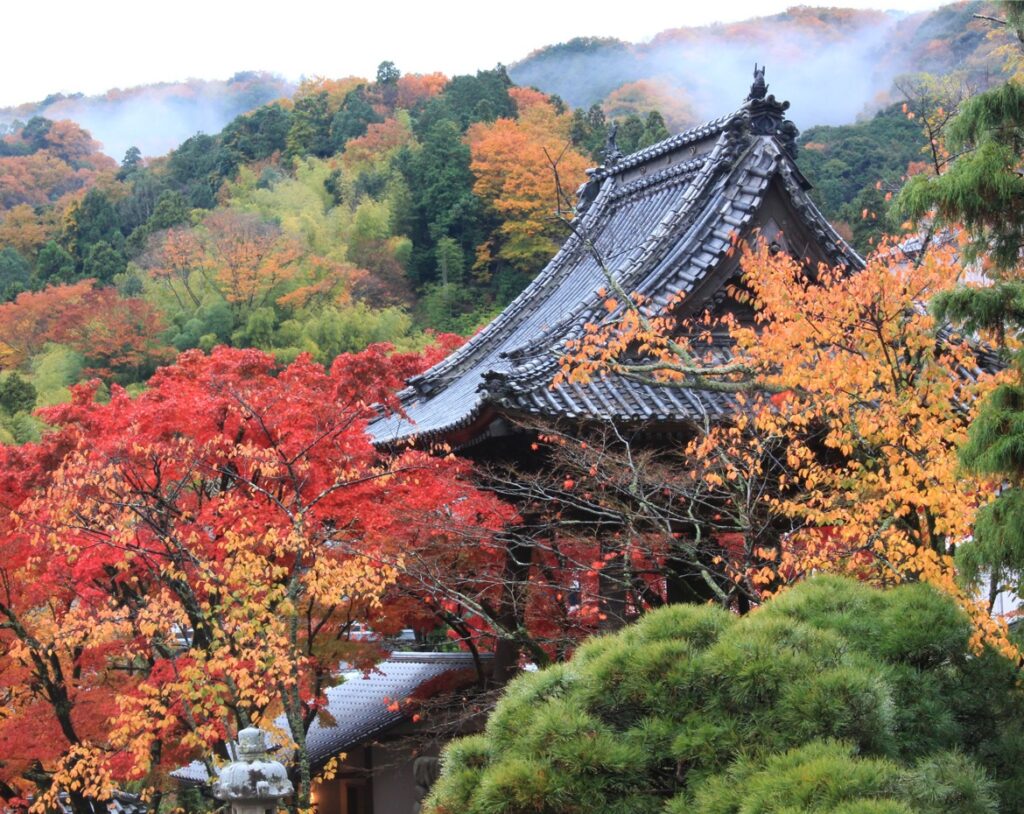
The town takes its name from this temple, founded in 807 AD by Kobo Daishi. Originally Shingon Buddhist, it operates today as a Soto Zen temple. The main hall sits at the top of a stone staircase flanked by ancient trees, and the temple grounds carry a weight of history that’s impossible to miss: two young men of the Kamakura Shogunate were imprisoned here during a medieval power struggle, and one was reportedly assassinated in a poisoned bath. His death mask is preserved in the small museum on site.
The temple is one of the most beautiful spots in Shuzenji during mid-November to early December, when the surrounding maples turn deep red and gold.
Seasonal Events to be aware of at the Shuzenji Temple
- February: Setsubun Festival
- April: Flower Festival, Lantern Festival, Spring Kobo Memorial Grand Festival, Hot Water Drawing Ceremony
- July: Shuzenji Yoriie Festival
- August: Shuzenji Rakugo Performance, Lantern Festival, Autumn Kobo Memorial Grand Festival
- November: Katsuradani Eighty-Eight Temple Pilgrimage, Special Public Viewing of the Main Image
- December: Okunoin Star Festival, New Year’s Eve Bell Ringing
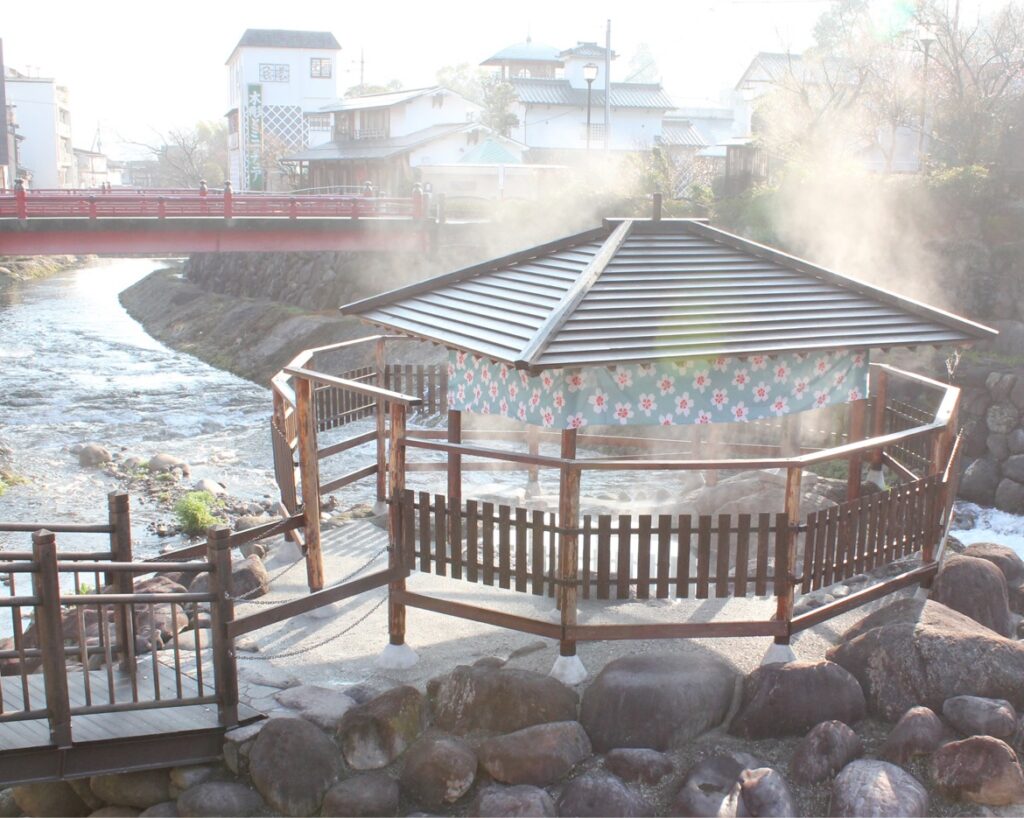
Tokko no Yu — The Sacred Spring
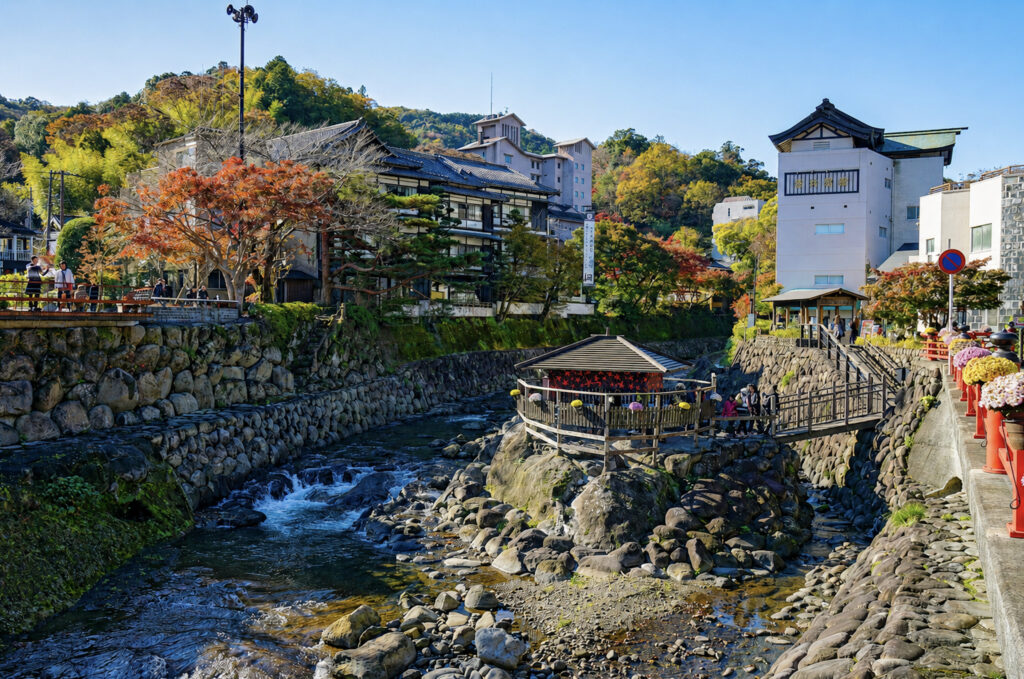
This open-air hot spring sits directly in the bed of the Katsura River, sheltered by a simple wooden gazebo. It’s the symbolic heart of Shuzenji Onsen. According to legend, Kobo Daishi struck this spot with his tokko (a ritual Buddhist staff) and hot spring water surged up from the earth, the town that exists today grew from that moment.
Tokko no Yu is now maintained as a historical site rather than a bathing pool: a sign asks visitors not to touch the water. The Kawarayu foot bath a few steps away lets you soak your feet in the same natural hot spring water in a more relaxed setting.
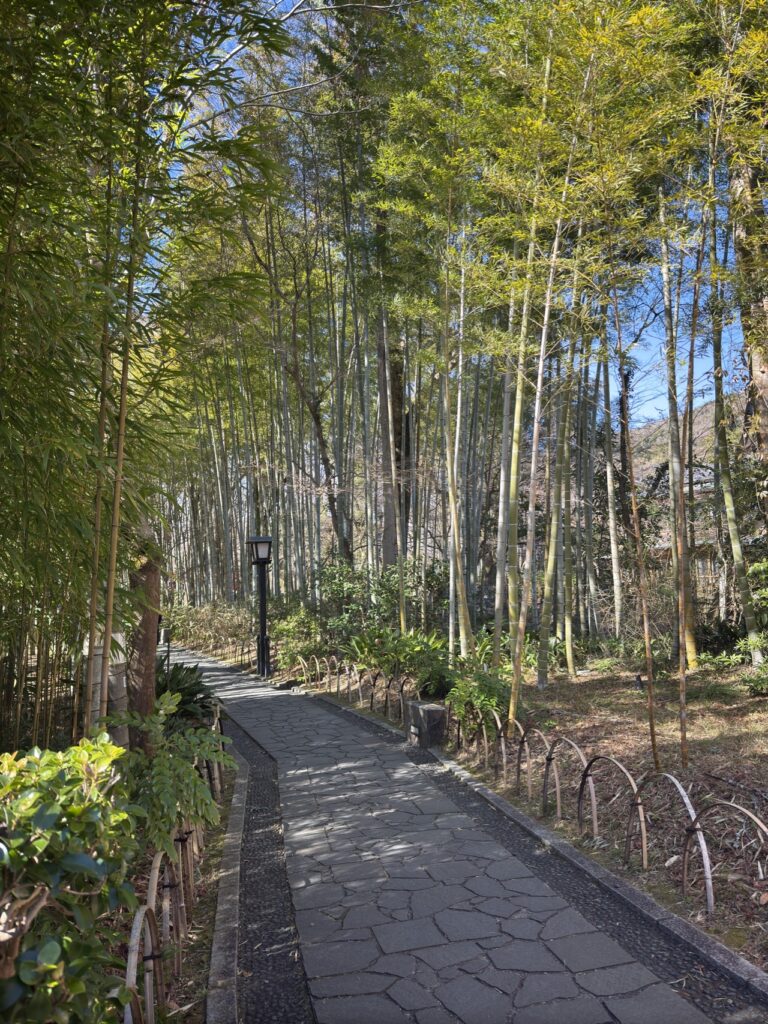
Shuzenji Bamboo Grove
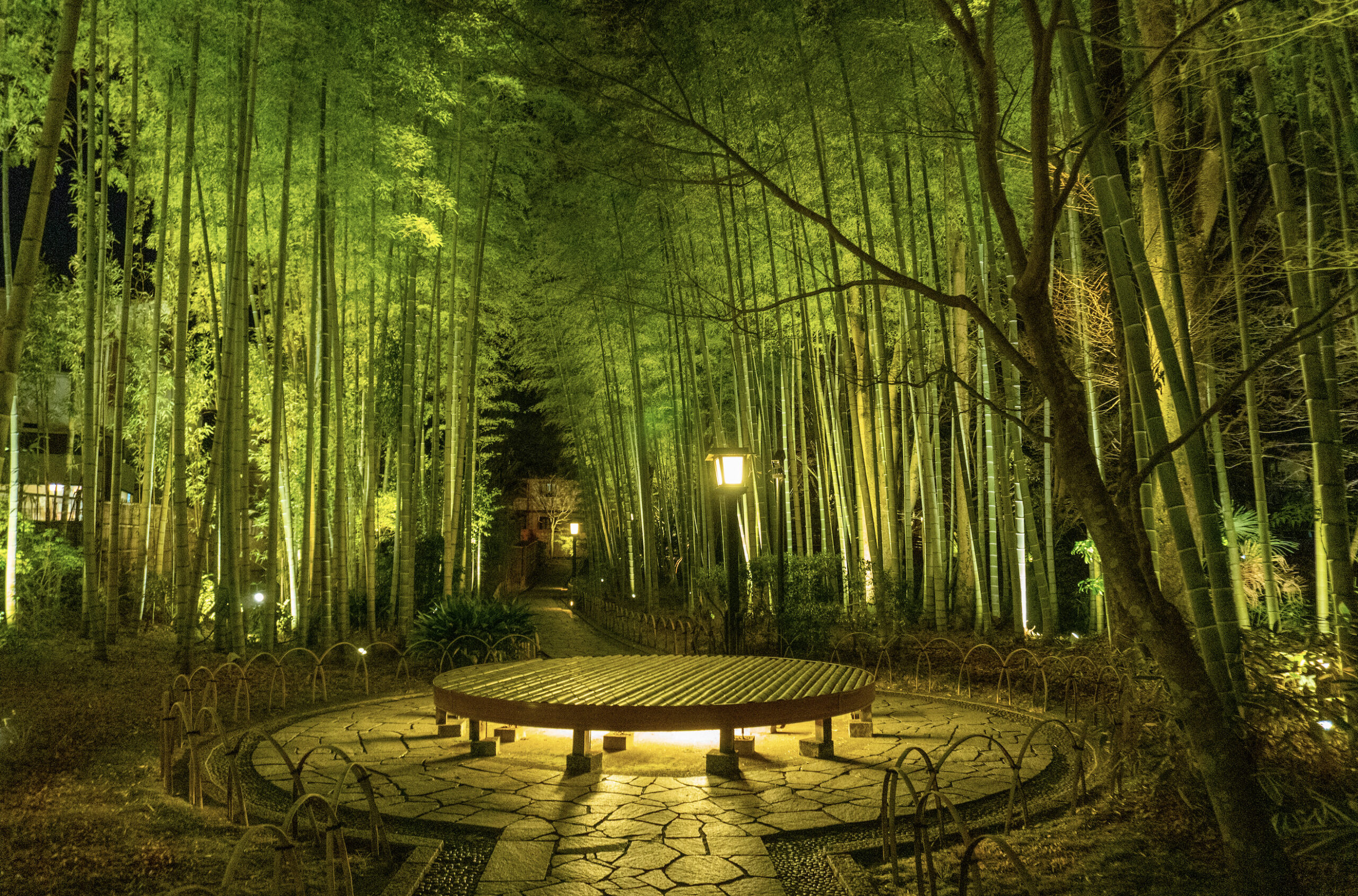
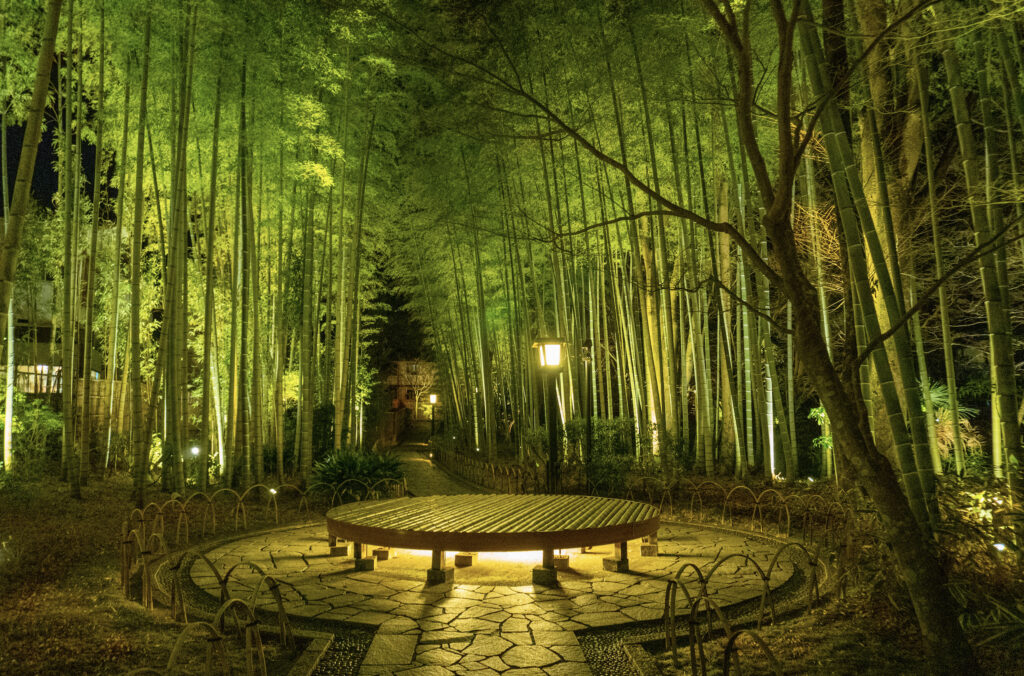
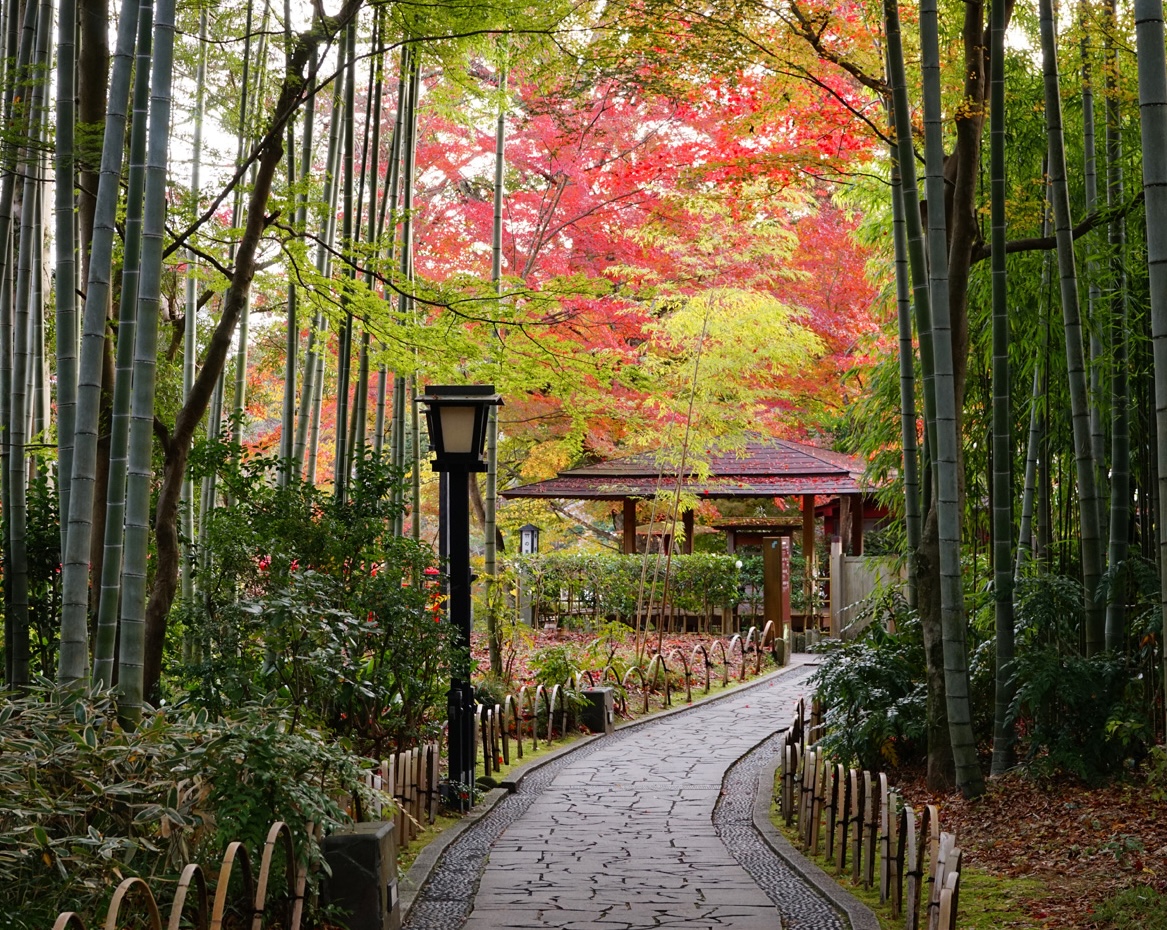
A short walk from the temple, this bamboo grove offers something Kyoto’s famous Arashiyama often can’t: quiet. The path is narrow and shaded, with a large circular bench in the centre where you can lie back and watch the bamboo sway. Lanterns line the path, making it especially atmospheric after dark. If you’re staying in town (rather than at a hilltop resort), don’t miss the night illuminations.
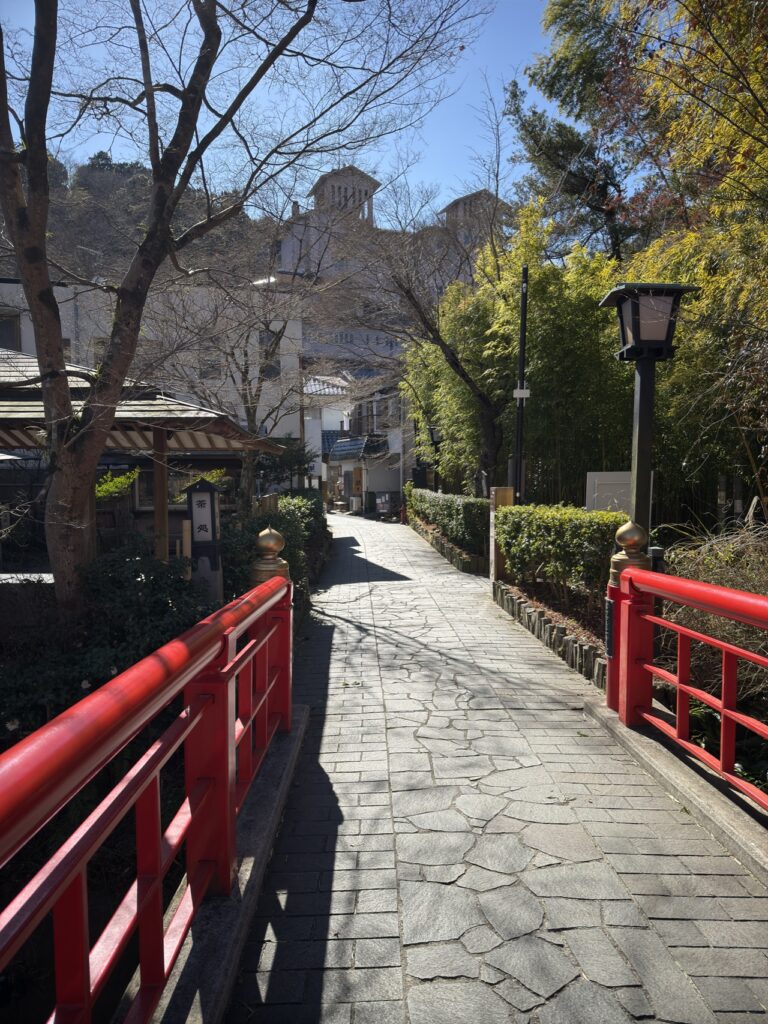
Katsura River & Maple Bridge
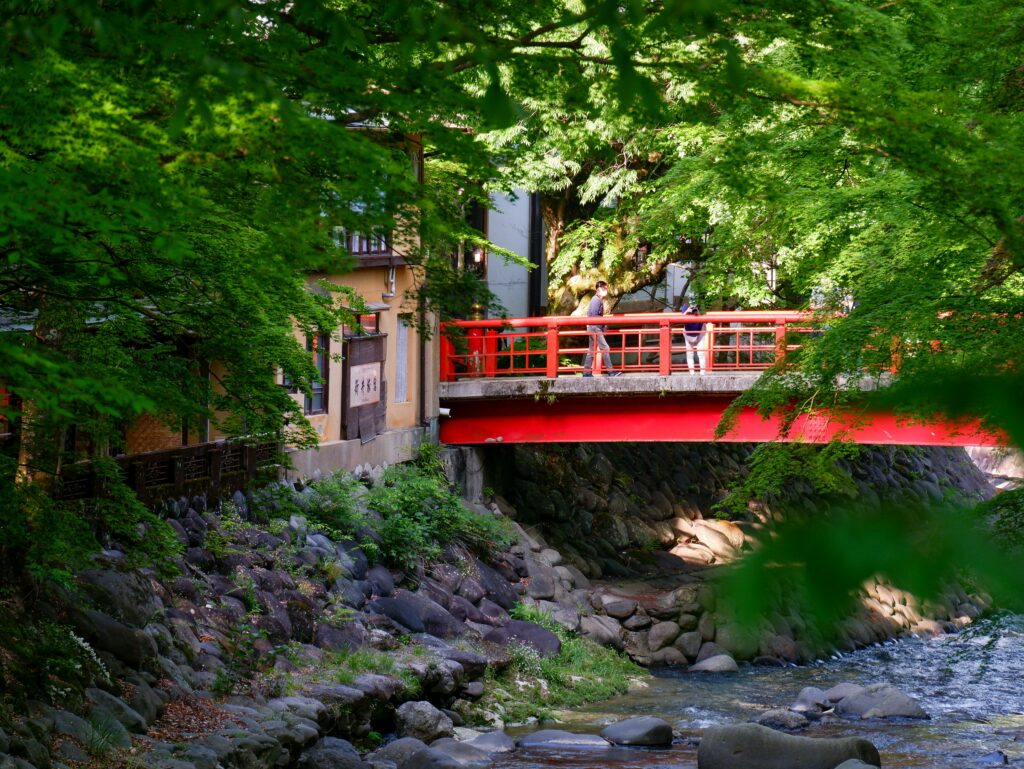
The Katsura River runs through the centre of Shuzenji, and the vermilion Maple Bridge (Kaede-bashi) crossing it is one of the town’s most photographed spots. In spring and summer, the bridge sits against a backdrop of vivid green maple trees. Come mid-November, those same trees burn red and gold, arguably the single most beautiful week to be in Shuzenji. The riverside path makes for a leisurely walk at any time of year.
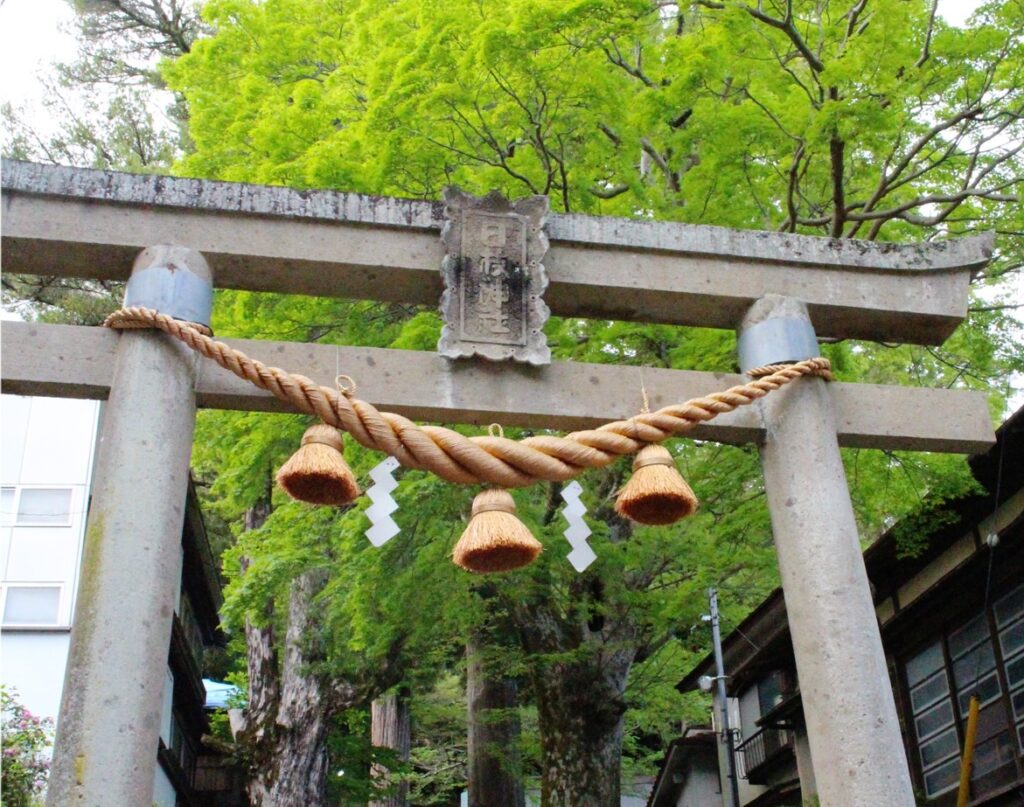
Hie Shrine
Founded in the same year as the temple (807 AD), Hie Shrine was built to serve as Shuzenji Temple’s guardian deity. Its enormous cedar trees, some of which grow joined at the base, give the shrine an ancient, slightly otherworldly feel. The Ichii oak tree here is a designated Cultural Property. In an endearing collision of old and new, a vending machine inside sells ema, the small wooden wishing plaques visitors write prayers on.
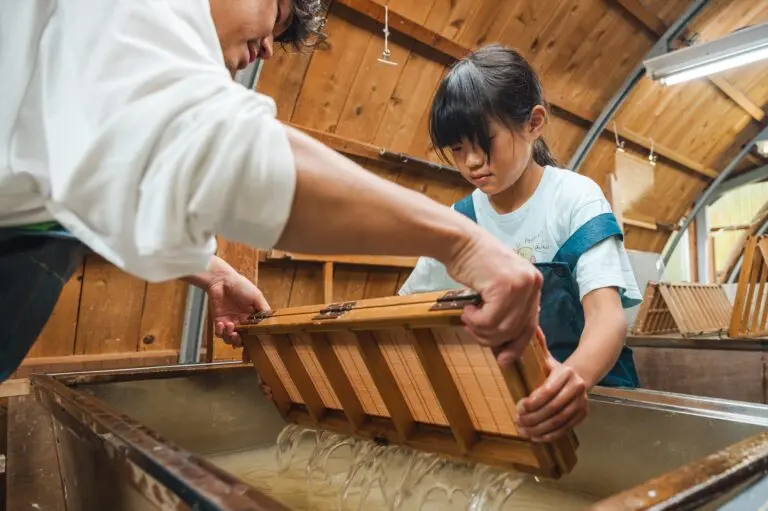
Shuzenji Washi Laboratory
One of Shuzenji’s quieter gems. The region has been producing washi (traditional Japanese paper) for over 1,000 years, and this small laboratory-museum preserves that craft. The museum has English explanations of the papermaking process, a resident craftsman gives demonstrations, and visitors can book workshops to make their own washi to take home. Check the Shuzenji Washi Laboratory website for availability, it’s worth booking ahead.
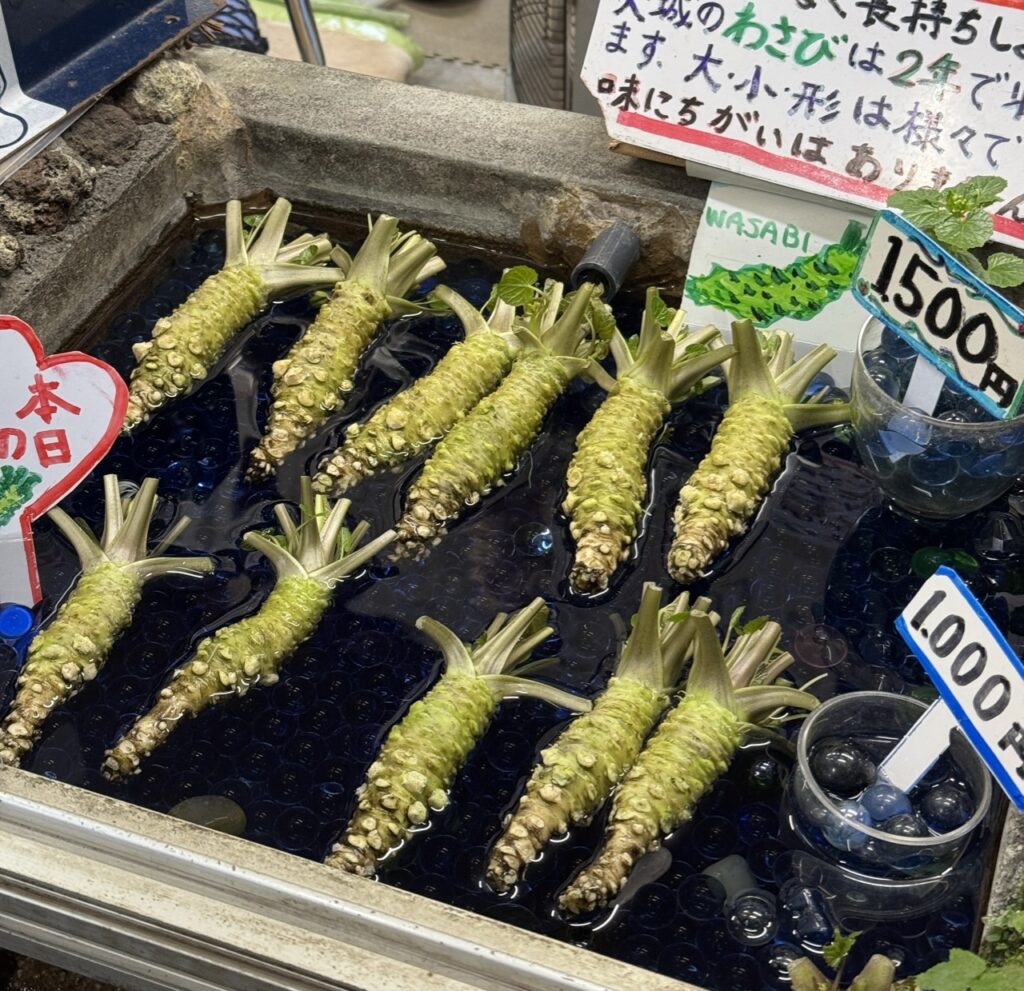
Local Food & Cafes
Izu is famous for two ingredients: wasabi (grown in the region’s clean mountain streams) and mikan (small, intensely sweet mandarin oranges). Both appear throughout the town’s shops and restaurants. Wasabi ice cream is the local novelty; surprisingly good, and an excellent topic of conversation. The riverside cafes serve soba, tempura, and seasonal specials in atmospheric old buildings. The omiyage (souvenir) shops carry locally grown tea, hand-crafted crockery, and regional seasonings worth bringing home.
Best Time to Visit Shuzenji Onsen
Spring (February–April) is the most classically beautiful period. The Shuzenji Plum Grove blooms in early February, offering some of the earliest blossom viewing in the region, and on clear days, Mt Fuji appears behind the pink flowers. Cherry blossom follows in late March and early April. Spring weekends are busy; weekdays are considerably quieter.
Summer (June–August) brings lush greenery and genuine quiet, Shuzenji sees very few foreign visitors this time of year. The heat and humidity are real, but the onsen is arguably at its most soothing when the air outside is warm, and the town’s forested setting provides natural shade.
Autumn (mid-November to early December) is peak season and for good reason. The Japanese maples around Shuzenji Temple, the Katsura River, and the Maple Bridge turn vivid red and orange, this is the most photographed and most visited period of the year. Book ryokan well in advance as the local tourists do love Shuzenji.
Winter (January–February) is the onsen purist’s choice. Cold air outside, steaming water, empty streets. The contrast of a snow-dusted garden viewed from a warm outdoor bath is difficult to overstate. Accommodation is cheaper, and the town is at its most serene.
General tip: Shuzenji is popular with Japanese domestic visitors and fills up on weekends. A midweek stay, regardless of season, will give you a noticeably different experience.
Where to Stay in Shuzenji Onsen: Ryokan and Hotels
The right accommodation transforms a trip to Shuzenji from a nice day out into an experience you’ll be talking about years later. Staying in a Shuzenji ryokan (traditional Japanese inn) is strongly recommended: the kaiseki multi-course dinners, the in-house onsen access morning and evening, the yukata robes laid out for you, the attention to detail.
A small note here. Shuzenji is popular with Japanese tourists so please make sure to familiarise yourself with onsen etiquette and how to wear a yukata before arrival. The food is selected for you in advance, using local ingredients and it’s different than what you might be used to. Even though it might not be to your taste, you should at least try all ingredients, especially the breakfast.
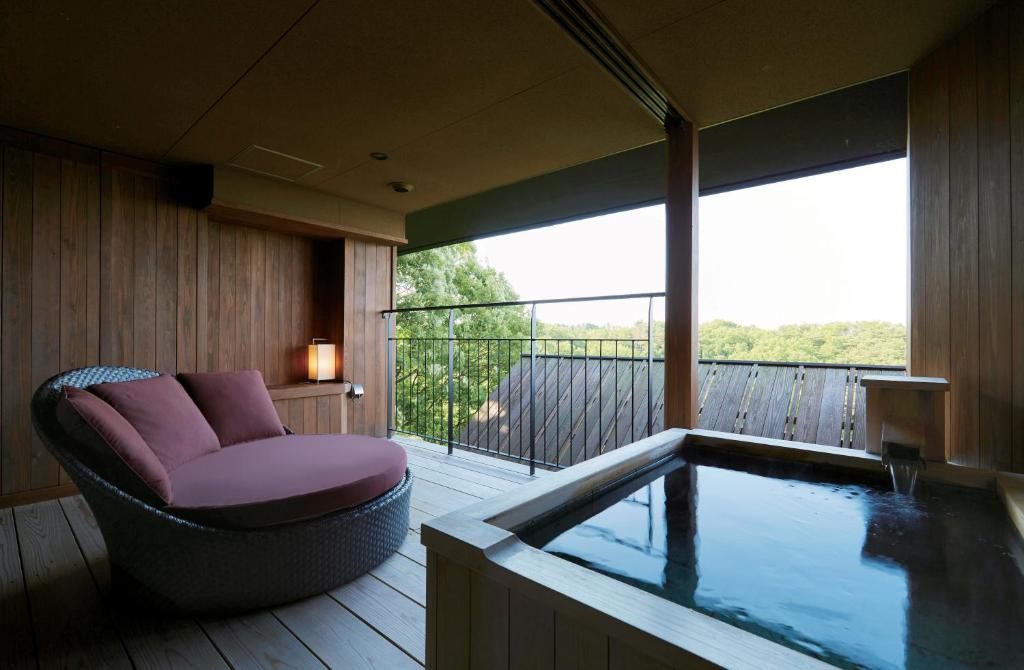
Luxury: Shuzenji Onsen Hotels with Private Onsen
Laforet Shuzenji Sanshisuimei sits on a mountainside above the town and offers private open-air onsen baths on room balcony; in some rooms with direct views of Mt Fuji. Rooms include tatami areas, multi-course dinners, and breakfast. It’s an excellent choice for couples and families looking for a full resort experience.
Mid-Range: Traditional Ryokan in the Town Centre
Staying within the old onsen town itself has its own appeal: you can walk to the temple and bamboo grove in minutes, and the atmosphere after dark when the lanterns light up and the day-trippers have gone, is extraordinary.
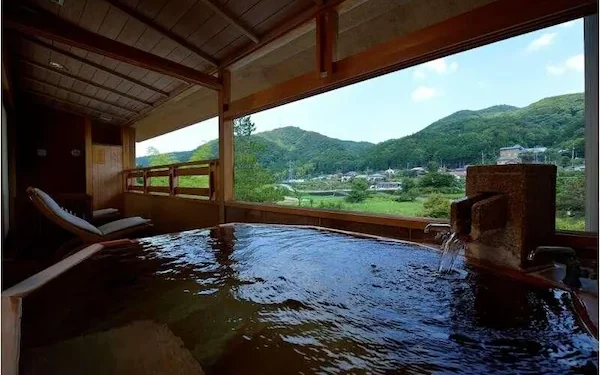
Sagasawakan overlooks the Kano River and offers seven hot spring baths. Some of the newer rooms comfortably accommodate up to four guests and offer open-air baths with views of the surrounding mountains and the river.
Day Visitor Onsen Access
If you’re visiting on a day trip, onsen bathing is still possible. The town’s public bath, Hakoyu, is open to all visitors. Several ryokan also offer day-use access to their baths, typically from around ¥1,000. This is a good option if you want the onsen experience without an overnight stay, though it won’t replicate the full ryokan atmosphere.
Onsen Etiquette: What to Know Before You Soak
Japanese onsen have a set of customs that are taken seriously. Following them isn’t just polite, it makes the experience better for everyone, including you.
Tattoo policy: The majority of onsen facilities in Japan, including most in Shuzenji, do not permit guests with visible tattoos to use communal baths. This is a firm policy, not a suggestion. Check with your specific ryokan or facility before booking. If you have tattoos, look specifically for properties offering private onsen (kashikiri buro) as these can usually be booked regardless of tattoo status.
Shower before you soak: Every onsen facility has individual shower stations beside the bath. Use them. Wash your body thoroughly before entering the water. This is non-negotiable etiquette.
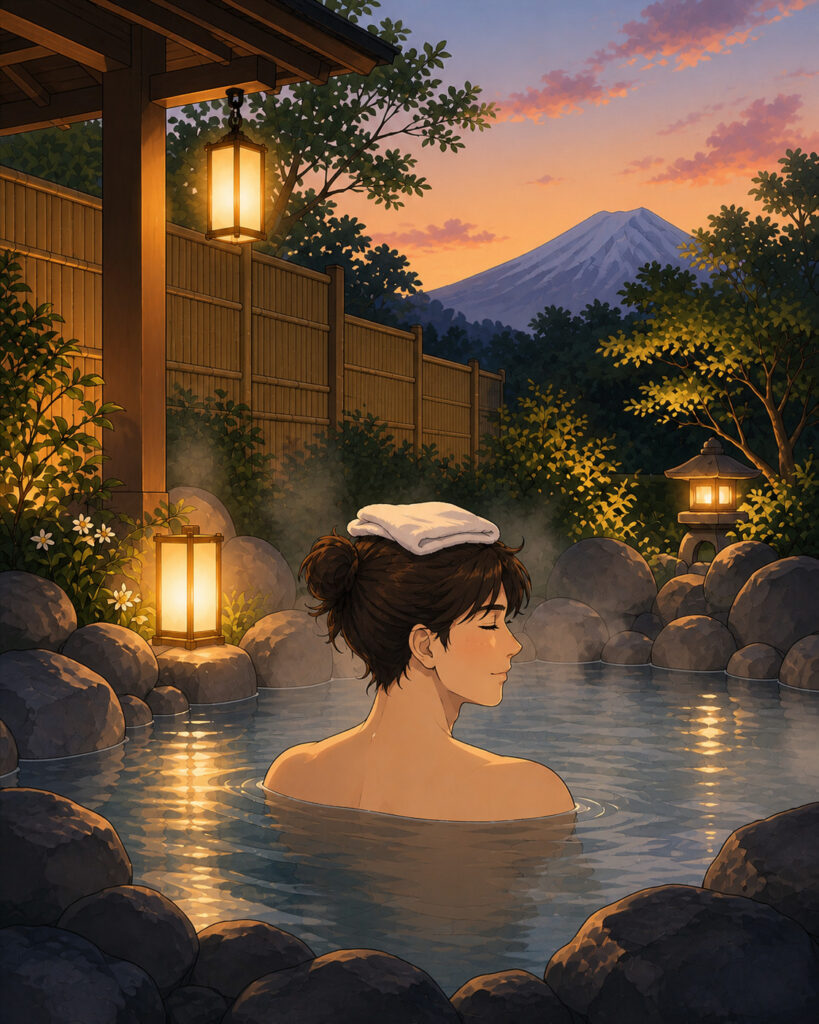
No swimwear: Onsen are used in the nude. Swimwear is not permitted as it introduces soap and chemicals into the mineral water. Bring a small modesty towel if you like, but keep it on the side or folded on your head; don’t dip it in the water.
Communal baths are separated by gender: Men’s and women’s facilities are completely separate.
Hair out of the water: Long hair should be tied up or kept above the waterline.
Overheating: Mineral-rich hot spring water is genuinely hot. Take it slowly, get in gradually, stay for short periods initially, and get out if you feel lightheaded or nauseous. Keeping your upper body partly out of the water for the first few minutes helps your circulation adjust.
How to Get to Shuzenji Onsen from Tokyo
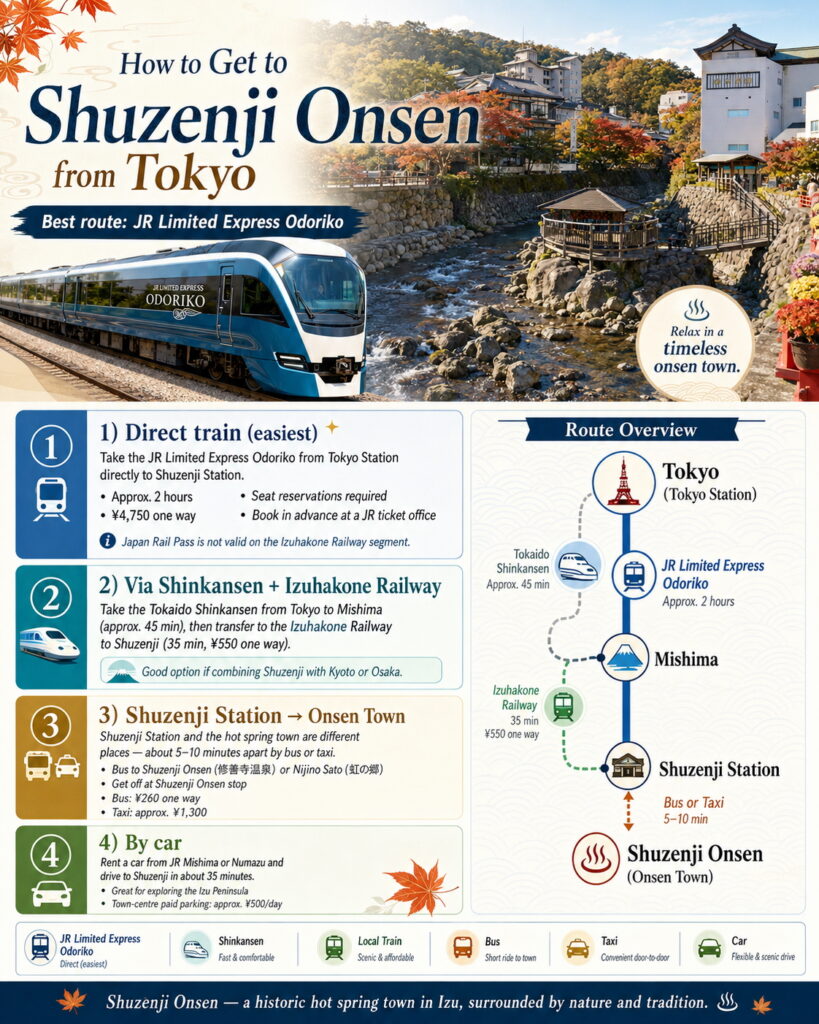
By direct train (easiest): Take the JR Limited Express Odoriko from Tokyo Station directly to Shuzenji Station. Journey time is approximately 2 hours. Cost: ¥4,750 one way. Seat reservations are required; book in advance at any JR ticket office. Note: the Japan Rail Pass is not valid on the Izuhakone Railway segment.
Via Shinkansen + Izuhakone Railway: Take the Tokaido Shinkansen from Tokyo to Mishima Station (approximately 45 minutes), then transfer to the Izuhakone Railway to Shuzenji Station (35 minutes, ¥550 one way). This route is faster if you’re combining Shuzenji with Kyoto/Osaka.
Shuzenji Station to the onsen town: The station and the hot spring town are not the same place — they’re 5–10 minutes apart by bus or taxi. Take the bus bound for Shuzenji Onsen (修善寺温泉) or Nijino Sato (虹の郷) and alight at the Shuzenji Onsen stop (¥260 one way). A taxi costs approximately ¥1,300.
By car: Hiring a car from JR Mishima or Numazu stations and driving to Shuzenji (approximately 35 minutes) gives you flexibility to explore the wider Izu Peninsula. A main paid car park is located in the town centre (approximately ¥500 per day).
Day Trip or Overnight Stay?
The honest answer: Shuzenji is doable as a day trip from Tokyo, but a day trip misses most of what makes it special.
The temple, bamboo grove, Tokko no Yu, and riverside walk can all be seen comfortably in three to four hours. But the reason people return to Shuzenji, the reason regulars rate it above Hakone, is the overnight ryokan experience. The kaiseki dinner, the morning bath, the quiet streets after the last bus has taken the day-trippers back to the station. None of that is available on a day trip.
If you only have one night to spare on a Japan itinerary, Shuzenji is a better use of it than many better-known destinations.
FAQ — Shuzenji Onsen
Is Shuzenji Onsen worth visiting? Yes, particularly for travellers who have already done Hakone or who want a more authentic, less crowded alternative to Japan’s most famous onsen destinations. It’s one of the most historically significant onsen towns in eastern Japan and delivers a genuinely different experience from the more commercial hot spring resorts.
How do I get to Shuzenji Onsen from Tokyo? The simplest route is the JR Limited Express Odoriko from Tokyo Station directly to Shuzenji Station (approximately 2 hours, ¥4,750 one way). Alternatively, take the Tokaido Shinkansen to Mishima, then the Izuhakone Railway to Shuzenji Station (¥550, 35 minutes). From the station, a bus or taxi takes you to the hot spring town in 5–10 minutes.
Is Shuzenji better than Hakone? For most Japan travellers seeking an immersive, authentic onsen experience, yes. Shuzenji is quieter, more historically interesting, and generally more affordable. Hakone wins on dramatic volcanic scenery. The choice depends on what matters more to you.
Can you do Shuzenji as a day trip? Yes, but it’s not recommended. The town’s main sights take 3–4 hours to explore comfortably, but the real draw such at the onsen bathing, kaiseki dinner, the atmosphere of a ryokan stay requires an overnight. Consider staying at least one night.
When is the best time to visit Shuzenji Onsen? Autumn (mid-November to early December) for the most dramatic scenery; spring (February–April) for plum and cherry blossoms. Summer is quiet and lush; winter is the best season for an atmospheric onsen soak. Avoid weekends if you want the town to yourself and remember that midweek visits are significantly more peaceful.
Are tattoos allowed in Shuzenji onsen? Most communal onsen facilities in Shuzenji, and Japan generally, do not permit guests with visible tattoos. Private onsen facilities (kashikiri buro) are usually available regardless of tattoo status and can be booked by the hour at many properties.
Plan Your Visit to Shuzenji Onsen
Shuzenji onsen rewards the travellers who find it. With 1,200 years of history, some of Japan’s most atmospheric ryokan, and a pace of life that genuinely slows you down, it’s one of the most complete onsen experiences in eastern Japan and still largely off the radar for international visitors.
